





Martial Arts Dragon & Animal Patches
-
 🔍︎ QUICK VIEW
$5.95
🔍︎ QUICK VIEW
$5.95 -
 🔍︎ QUICK VIEW
-
 🔍︎ QUICK VIEW
$4.95
🔍︎ QUICK VIEW
$4.95 -
 🔍︎ QUICK VIEW
$4.95
🔍︎ QUICK VIEW
$4.95 -
 🔍︎ QUICK VIEW
$4.95
🔍︎ QUICK VIEW
$4.95 -
 🔍︎ QUICK VIEW
-
 🔍︎ QUICK VIEW
$5.95
🔍︎ QUICK VIEW
$5.95 -
 🔍︎ QUICK VIEW
-
 🔍︎ QUICK VIEW
-
 🔍︎ QUICK VIEW
$5.95
🔍︎ QUICK VIEW
$5.95 -
 🔍︎ QUICK VIEW
-
 🔍︎ QUICK VIEW
-
 🔍︎ QUICK VIEW
-
 🔍︎ QUICK VIEW
-
 🔍︎ QUICK VIEW
$5.95
🔍︎ QUICK VIEW
$5.95 -
 🔍︎ QUICK VIEW
$7.95
🔍︎ QUICK VIEW
$7.95 -
 🔍︎ QUICK VIEW
$3.95
🔍︎ QUICK VIEW
$3.95 -
 🔍︎ QUICK VIEW
$6.95
🔍︎ QUICK VIEW
$6.95 -
 🔍︎ QUICK VIEW
$5.45
🔍︎ QUICK VIEW
$5.45 -
 🔍︎ QUICK VIEW
-
 🔍︎ QUICK VIEW
$4.95
🔍︎ QUICK VIEW
$4.95
Martial Arts Dragon & Animal Patches
If you've ever stepped into a traditional martial arts dojo, you've probably noticed the patches. Those patches are not just decorations; they actually tell stories about who the martial artist is and what they've accomplished. Our dragon and animal patches aren't just bold designs for your gi or gear bag. They reflect rank, lineage, and the kind of fighter you are. Whether you're into Shotokan, Kenpo, or a southern style of Kung Fu, the right patch says something about your journey.
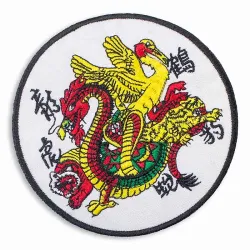
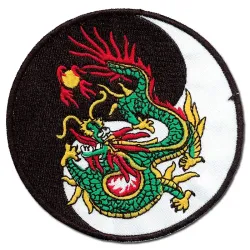
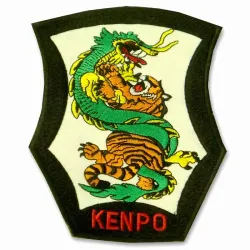
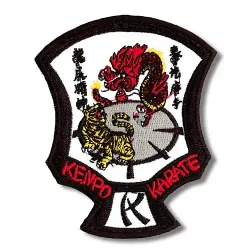
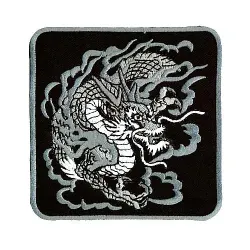
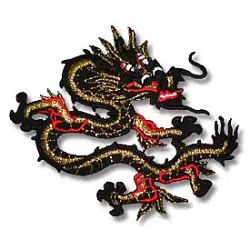
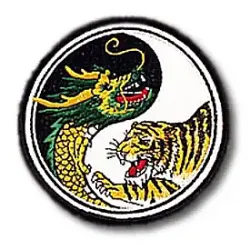
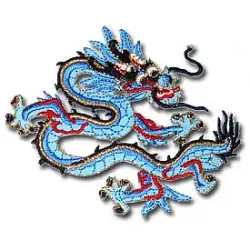
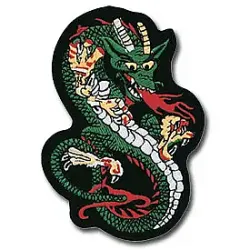
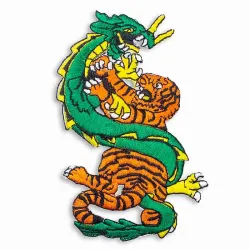
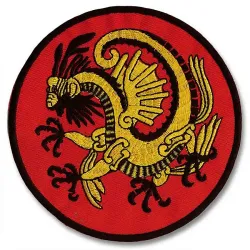
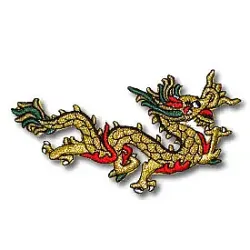
Take the dragon patch, for example. In Chinese martial arts like Hung Gar or Lung Ying, the dragon represents wisdom, mastery, and adaptability. You'll often see dragon patches worn by advanced practitioners who've earned the right to display that kind of symbolism. Our dragon patches are embroidered with serious detail, which is perfect for representing traditional systems that emphasize internal strength and powerful technique.
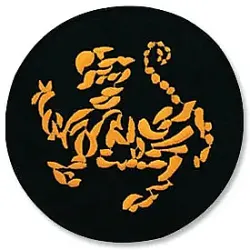
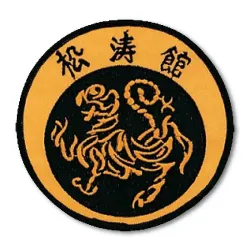
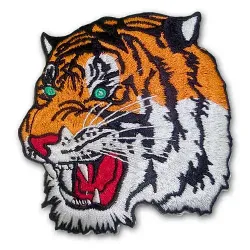
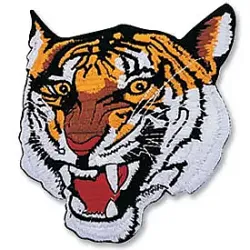
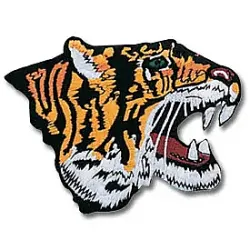
Tiger patches are another favorite, especially in styles like Shotokan Karate and American Kenpo. Tigers represent strength, speed, and explosive power. In Kenpo, the tiger often stands for the physical aspects of the art. Our tiger patch designs range from classic snarling heads to full-body tigers mid-pounce. Each one captures that aggressive, forward energy that makes this animal such a staple in martial arts imagery. We also carry tiger patches in different sizes, so whether you're patching a sleeve or adding one to a duffel, there's a fit.
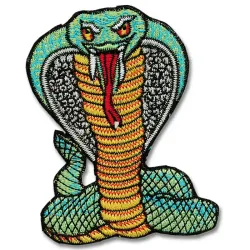
Cobra patches bring a different energy entirely. In self-defense systems, the cobra represents readiness and speed. One second it's still, the next it strikes. If you've trained in a system like Parker's Kenpo or modern hybrid styles, you'll know the cobra patch is often used as a symbol of awareness and precision. We've got coiled cobra patches and hooded designs that look especially sharp on black or red uniforms.
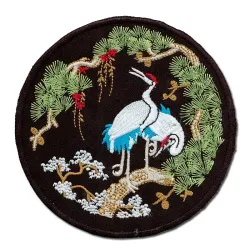
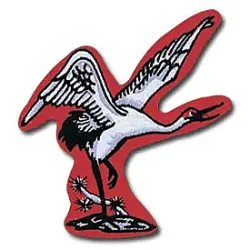
Crane patches are usually linked to fluidity and balance. In White Crane Kung Fu, the crane is all about elegance in motion, with graceful footwork, quick hands, and pinpoint accuracy. A crane patch works perfectly for practitioners of Goju-Ryu, which incorporates some of the crane's influence. Wearing a crane patch on your uniform is a nod to a system that values timing over brute force.
Panther patches are less common but incredibly cool. Styles like Kajukenbo and Southern Mantis sometimes incorporate the panther as a symbol of stealth and explosive motion. Unlike the raw power of the tiger or the cunning of the cobra, the panther patch is sleek and fast. It's for martial artists who hit hard, hit fast, and disappear before the opponent can react. These patches look incredible on hoodies, gym bags, or the back of a gi jacket.
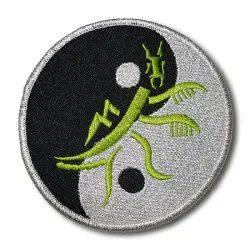
We also carry praying mantis patches that reflect the trapping and counter-fighting techniques found in Mantis Kung Fu. If you've studied Northern or Southern Praying Mantis, you'll appreciate the detail in these designs. The praying mantis is tied to real, functional strategy in martial arts, and a patch like this is a subtle way to show what you study and why.
Each martial arts animal patch on KarateMart.com is either iron-on or sew-on, and we make that clear in the product description so there's no guesswork. Some people like the simplicity of iron-on patches for quick customization, while others prefer the permanence of sewing them into place. Either way, you're getting solid construction that's made to last through regular training and countless washes.
Martial arts animal patches can also serve as motivational markers. Some schools give them out as awards or tokens of achievement. Others let students pick a patch that best represents their personal growth. Maybe you started out wild and unrefined, and now you're earning your cobra patch for precise technique and control. Or maybe your school uses tiger patches to represent different sparring levels. Either way, these symbols matter.
And yes, we're always adding more to our lineup. If you're hunting for a specific animal patch that's part of your school's style or just fits your vibe, check back often. You might find a rare variation, a new design, or a patch that perfectly matches the energy you want to bring to class.
From cobra patches that warn of hidden power to dragon patches that demand respect, everything we carry is rooted in martial arts culture. If you're serious about your training and want to wear something that reflects that, we've got you covered.
Yes, many animal patches are closely associated with specific martial arts styles and lineages. In Chinese martial arts, animal symbolism often reflects the principles and techniques of a system, such as dragon, tiger, crane, or praying mantis styles. In karate and Kenpo systems, animal imagery is sometimes used to represent phases of training or conceptual approaches to combat.
That said, not every school uses animal patches the same way. Some treat them as traditional symbols, while others use them more personally to reflect a student's strengths or mindset.
In some schools, patches are absolutely used to represent rank, achievement, or progression. A patch might be awarded after completing a curriculum phase, earning instructor recognition, or demonstrating mastery of certain techniques. These patches act as visual milestones in a student's training journey.
Other schools allow patches to be worn as personal symbols rather than official rank indicators. It always depends on the rules and culture of the school you train with.
Common placement areas include the upper chest, shoulder, upper sleeve, or back of the gi jacket. Some schools designate very specific patch locations, while others are more flexible. Pants patches are less common but are sometimes used in certain systems or for competition teams.
If your school has guidelines, it's best to follow them. When patches are worn on bags, hoodies, or jackets, placement is usually a matter of personal preference.
Dragon patches are often associated with wisdom, mastery, and adaptability. In many Chinese martial arts systems, the dragon represents internal strength, control, and the ability to adjust to any situation. Because of this, dragon imagery is frequently linked to advanced practitioners or instructors.
Wearing a dragon patch is often seen as a sign of respect for tradition and a commitment to deeper understanding rather than raw physical power alone.
Tiger patches typically symbolize strength, aggression, speed, and physical dominance. In systems like Shotokan Karate and American Kenpo, the tiger is often used to represent direct action and explosive technique. It's commonly associated with the physical side of martial arts training.
Many schools use tiger imagery to reflect a student's development of power and confidence, especially in striking-focused systems.
Yes, cobra patches are frequently linked to self defense-oriented martial arts and modern hybrid systems. The cobra represents awareness, precision, and the ability to strike quickly when needed. This symbolism aligns well with practical self defense training that emphasizes readiness and efficiency.
Cobra imagery is especially popular in Kenpo-based systems and arts that focus on rapid responses and controlled aggression.
Crane symbolism is most commonly associated with Chinese White Crane Kung Fu, where balance, timing, and precision are central principles. The crane represents calm movement, strong structure, and efficient technique rather than brute force.
Crane influence is also seen in styles like Goju-Ryu, which incorporates circular motion and controlled breathing into its training philosophy.
Panther patches are often used to symbolize stealth, speed, and explosive movement. Unlike the tiger, which represents raw power, the panther reflects controlled aggression and surprise. This imagery fits well with systems that emphasize fast entry, decisive strikes, and quick disengagement.
Panther patches are less common, which is part of what makes them appealing to practitioners who value individuality and precision.
Yes, praying mantis patches are directly associated with Northern and Southern Praying Mantis Kung Fu systems. These styles focus heavily on trapping, sensitivity, and counter-fighting techniques that mirror the movements of the mantis insect.
A praying mantis patch often signals a practitioner's appreciation for strategy, timing, and close-range control rather than brute strength.
Iron on patches can be strong enough for training uniforms, especially when properly applied and heat-sealed according to instructions. Many students use iron on patches successfully for light to moderate training use.
For heavy training or long-term wear, some practitioners prefer to sew patches on for added durability. Sewing helps prevent peeling and ensures the patch stays secure through frequent washing and intense workouts.
Dragon and Tiger Patches in Traditional Martial Arts
Take the dragon patch, for example. In Chinese martial arts like Hung Gar or Lung Ying, the dragon represents wisdom, mastery, and adaptability. You'll often see dragon patches worn by advanced practitioners who've earned the right to display that kind of symbolism. Our dragon patches are embroidered with serious detail, which is perfect for representing traditional systems that emphasize internal strength and powerful technique.
Tiger patches are another favorite, especially in styles like Shotokan Karate and American Kenpo. Tigers represent strength, speed, and explosive power. In Kenpo, the tiger often stands for the physical aspects of the art. Our tiger patch designs range from classic snarling heads to full-body tigers mid-pounce. Each one captures that aggressive, forward energy that makes this animal such a staple in martial arts imagery. We also carry tiger patches in different sizes, so whether you're patching a sleeve or adding one to a duffel, there's a fit.
Cobra and Crane Patches and Their Symbolism
Cobra patches bring a different energy entirely. In self-defense systems, the cobra represents readiness and speed. One second it's still, the next it strikes. If you've trained in a system like Parker's Kenpo or modern hybrid styles, you'll know the cobra patch is often used as a symbol of awareness and precision. We've got coiled cobra patches and hooded designs that look especially sharp on black or red uniforms.
Crane patches are usually linked to fluidity and balance. In White Crane Kung Fu, the crane is all about elegance in motion, with graceful footwork, quick hands, and pinpoint accuracy. A crane patch works perfectly for practitioners of Goju-Ryu, which incorporates some of the crane's influence. Wearing a crane patch on your uniform is a nod to a system that values timing over brute force.
Panther and Praying Mantis Patches
Panther patches are less common but incredibly cool. Styles like Kajukenbo and Southern Mantis sometimes incorporate the panther as a symbol of stealth and explosive motion. Unlike the raw power of the tiger or the cunning of the cobra, the panther patch is sleek and fast. It's for martial artists who hit hard, hit fast, and disappear before the opponent can react. These patches look incredible on hoodies, gym bags, or the back of a gi jacket.
We also carry praying mantis patches that reflect the trapping and counter-fighting techniques found in Mantis Kung Fu. If you've studied Northern or Southern Praying Mantis, you'll appreciate the detail in these designs. The praying mantis is tied to real, functional strategy in martial arts, and a patch like this is a subtle way to show what you study and why.
Patch Types, Training Meaning, and Ongoing Selection
Each martial arts animal patch on KarateMart.com is either iron-on or sew-on, and we make that clear in the product description so there's no guesswork. Some people like the simplicity of iron-on patches for quick customization, while others prefer the permanence of sewing them into place. Either way, you're getting solid construction that's made to last through regular training and countless washes.
Martial arts animal patches can also serve as motivational markers. Some schools give them out as awards or tokens of achievement. Others let students pick a patch that best represents their personal growth. Maybe you started out wild and unrefined, and now you're earning your cobra patch for precise technique and control. Or maybe your school uses tiger patches to represent different sparring levels. Either way, these symbols matter.
And yes, we're always adding more to our lineup. If you're hunting for a specific animal patch that's part of your school's style or just fits your vibe, check back often. You might find a rare variation, a new design, or a patch that perfectly matches the energy you want to bring to class.
From cobra patches that warn of hidden power to dragon patches that demand respect, everything we carry is rooted in martial arts culture. If you're serious about your training and want to wear something that reflects that, we've got you covered.
Are Animal Patches Tied to Specific Martial Arts Styles?
Yes, many animal patches are closely associated with specific martial arts styles and lineages. In Chinese martial arts, animal symbolism often reflects the principles and techniques of a system, such as dragon, tiger, crane, or praying mantis styles. In karate and Kenpo systems, animal imagery is sometimes used to represent phases of training or conceptual approaches to combat.
That said, not every school uses animal patches the same way. Some treat them as traditional symbols, while others use them more personally to reflect a student's strengths or mindset.
Do Martial Arts Patches Indicate Rank or Achievement?
In some schools, patches are absolutely used to represent rank, achievement, or progression. A patch might be awarded after completing a curriculum phase, earning instructor recognition, or demonstrating mastery of certain techniques. These patches act as visual milestones in a student's training journey.
Other schools allow patches to be worn as personal symbols rather than official rank indicators. It always depends on the rules and culture of the school you train with.
Where Are Patches Traditionally Worn on a Gi or Uniform?
Common placement areas include the upper chest, shoulder, upper sleeve, or back of the gi jacket. Some schools designate very specific patch locations, while others are more flexible. Pants patches are less common but are sometimes used in certain systems or for competition teams.
If your school has guidelines, it's best to follow them. When patches are worn on bags, hoodies, or jackets, placement is usually a matter of personal preference.
What Is the Meaning of Dragon Patches in Martial Arts?
Dragon patches are often associated with wisdom, mastery, and adaptability. In many Chinese martial arts systems, the dragon represents internal strength, control, and the ability to adjust to any situation. Because of this, dragon imagery is frequently linked to advanced practitioners or instructors.
Wearing a dragon patch is often seen as a sign of respect for tradition and a commitment to deeper understanding rather than raw physical power alone.
What Does a Tiger Patch Symbolize in Karate or Kenpo?
Tiger patches typically symbolize strength, aggression, speed, and physical dominance. In systems like Shotokan Karate and American Kenpo, the tiger is often used to represent direct action and explosive technique. It's commonly associated with the physical side of martial arts training.
Many schools use tiger imagery to reflect a student's development of power and confidence, especially in striking-focused systems.
Are Cobra Patches Associated With Self Defense Systems?
Yes, cobra patches are frequently linked to self defense-oriented martial arts and modern hybrid systems. The cobra represents awareness, precision, and the ability to strike quickly when needed. This symbolism aligns well with practical self defense training that emphasizes readiness and efficiency.
Cobra imagery is especially popular in Kenpo-based systems and arts that focus on rapid responses and controlled aggression.
What Martial Arts Styles Use Crane Symbolism?
Crane symbolism is most commonly associated with Chinese White Crane Kung Fu, where balance, timing, and precision are central principles. The crane represents calm movement, strong structure, and efficient technique rather than brute force.
Crane influence is also seen in styles like Goju-Ryu, which incorporates circular motion and controlled breathing into its training philosophy.
What Does a Panther Patch Represent in Martial Arts?
Panther patches are often used to symbolize stealth, speed, and explosive movement. Unlike the tiger, which represents raw power, the panther reflects controlled aggression and surprise. This imagery fits well with systems that emphasize fast entry, decisive strikes, and quick disengagement.
Panther patches are less common, which is part of what makes them appealing to practitioners who value individuality and precision.
Are Praying Mantis Patches Linked to Specific Kung Fu Systems?
Yes, praying mantis patches are directly associated with Northern and Southern Praying Mantis Kung Fu systems. These styles focus heavily on trapping, sensitivity, and counter-fighting techniques that mirror the movements of the mantis insect.
A praying mantis patch often signals a practitioner's appreciation for strategy, timing, and close-range control rather than brute strength.
Are Iron On Patches Strong Enough for Training Uniforms?
Iron on patches can be strong enough for training uniforms, especially when properly applied and heat-sealed according to instructions. Many students use iron on patches successfully for light to moderate training use.
For heavy training or long-term wear, some practitioners prefer to sew patches on for added durability. Sewing helps prevent peeling and ensures the patch stays secure through frequent washing and intense workouts.