




Ninja Uniforms & Ninjutsu Gi
-
 🔍︎ QUICK VIEW
-
 🔍︎ QUICK VIEW
-
 🔍︎ QUICK VIEW
-
 🔍︎ QUICK VIEW
-
 🔍︎ QUICK VIEW
-
 🔍︎ QUICK VIEW
-
 🔍︎ QUICK VIEW
From $49.95
🔍︎ QUICK VIEW
From $49.95 -
 🔍︎ QUICK VIEW
From $49.95
🔍︎ QUICK VIEW
From $49.95 -
 🔍︎ QUICK VIEW
From $64.95
🔍︎ QUICK VIEW
From $64.95 -
 🔍︎ QUICK VIEW
-
 🔍︎ QUICK VIEW
From $64.95
🔍︎ QUICK VIEW
From $64.95 -
 🔍︎ QUICK VIEW
From $64.95
🔍︎ QUICK VIEW
From $64.95 -
 🔍︎ QUICK VIEW
-
 🔍︎ QUICK VIEW
From $49.95
🔍︎ QUICK VIEW
From $49.95 -
 🔍︎ QUICK VIEW
-
 🔍︎ QUICK VIEW
From $64.95
🔍︎ QUICK VIEW
From $64.95 -
 🔍︎ QUICK VIEW
$24.95
🔍︎ QUICK VIEW
$24.95 -
 🔍︎ QUICK VIEW
From $49.95
🔍︎ QUICK VIEW
From $49.95 -
 🔍︎ QUICK VIEW
From $49.95
🔍︎ QUICK VIEW
From $49.95 -
 🔍︎ QUICK VIEW
From $64.95
🔍︎ QUICK VIEW
From $64.95 -
 🔍︎ QUICK VIEW
-
 🔍︎ QUICK VIEW
From $49.95
🔍︎ QUICK VIEW
From $49.95 -
 🔍︎ QUICK VIEW
From $49.95
🔍︎ QUICK VIEW
From $49.95 -
 🔍︎ QUICK VIEW
From $54.95
🔍︎ QUICK VIEW
From $54.95 -
 🔍︎ QUICK VIEW
From $45.95
🔍︎ QUICK VIEW
From $45.95 -
 🔍︎ QUICK VIEW
From $64.95
🔍︎ QUICK VIEW
From $64.95 -
 🔍︎ QUICK VIEW
From $64.95
🔍︎ QUICK VIEW
From $64.95 -
 🔍︎ QUICK VIEW
From $49.95
🔍︎ QUICK VIEW
From $49.95 -
 🔍︎ QUICK VIEW
From $49.95
🔍︎ QUICK VIEW
From $49.95 -
 🔍︎ QUICK VIEW
From $49.95
🔍︎ QUICK VIEW
From $49.95 -
 🔍︎ QUICK VIEW
From $64.95
🔍︎ QUICK VIEW
From $64.95 -
 🔍︎ QUICK VIEW
From $64.95
🔍︎ QUICK VIEW
From $64.95 -
 🔍︎ QUICK VIEW
-
 🔍︎ QUICK VIEW
-
 🔍︎ QUICK VIEW
-
 🔍︎ QUICK VIEW
$39.95
🔍︎ QUICK VIEW
$39.95
 (11)
(11) (2)
(2)Ninja Uniforms & Ninjutsu Gi
The allure of ninjas has captivated audiences worldwide, thanks in large part to their dramatic portrayal in Hollywood films. This fascination has propelled ninjutsu, the ancient Japanese martial art, into the spotlight. Originating during Japan's feudal era, ninjutsu was developed by shinobi - covert agents skilled in espionage, sabotage, and guerrilla warfare. Unlike the samurai, who adhered to a strict code of honor, ninjas operated in the shadows, relying on stealth and cunning to protect their clans or gather intelligence. Their ninja uniforms, often depicted as sleek and dark, were designed to facilitate this clandestine lifestyle, allowing them to move silently and blend into their surroundings - be it a moonlit forest or a crowded village.
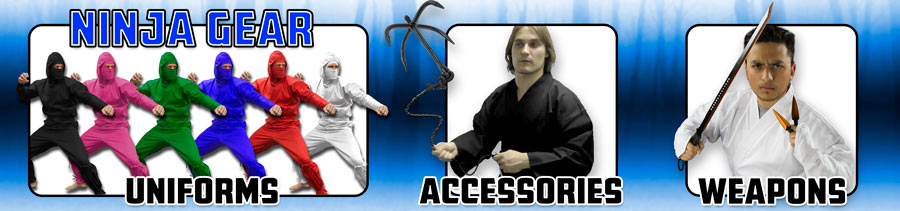
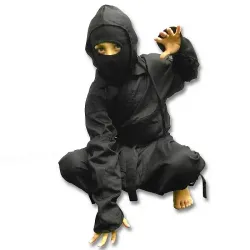
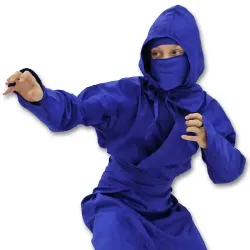
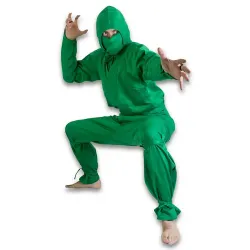
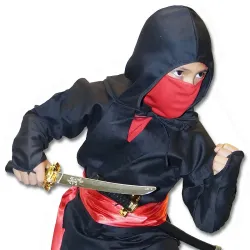
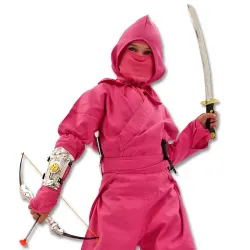
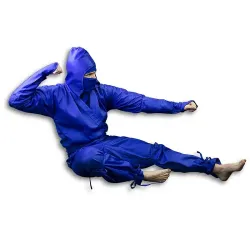
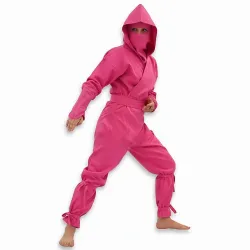
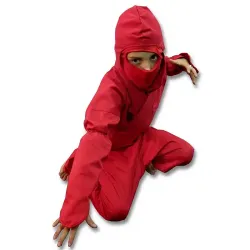
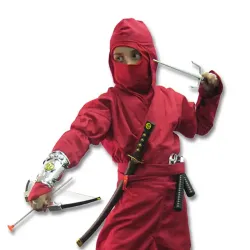
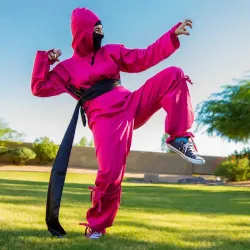
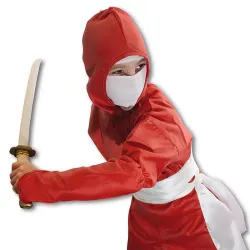
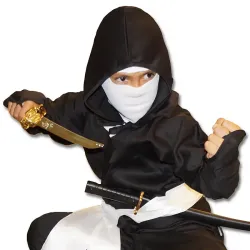
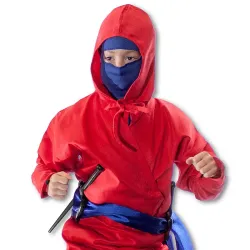
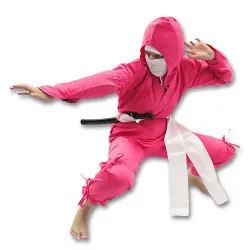
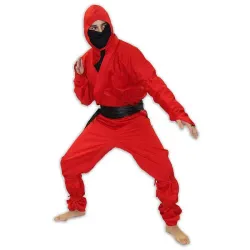
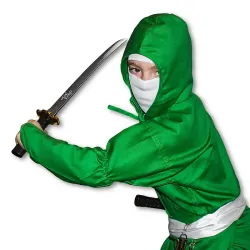
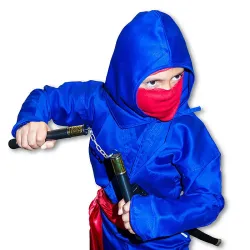
At KarateMart.com, we embrace this storied legacy by offering a diverse range of ninja outfits crafted for both authenticity and practicality. Our ninja suits come in an array of colors - black, blue, white, green, pink, and red - ensuring you can select a ninja uniform that suits your environment or personal style. Each ninjutsu uniform is built to withstand rigorous use, whether you're training in a dojo or embodying the ninja spirit for a special occasion like Halloween. Featuring durable fabrics and thoughtful design elements like inner jacket pockets for discreetly carrying ninja weapons, our ninja gi options cater to martial artists and enthusiasts alike. For those seeking a more theatrical flair, our Ninja Costumes section offers alternatives to the traditional ninja suit.
The history of ninjas stretches back to the turbulent Sengoku period (15th-17th centuries), a time of near-constant warfare in Japan. Ninjas, often hired by feudal lords or daimyo, excelled in unconventional tactics - think infiltration, assassination, and reconnaissance. Their ninja outfits evolved out of necessity, prioritizing functionality over ostentation. While popular culture often paints ninjas in iconic black garb, historical evidence suggests they wore whatever blended into their context, from peasant rags to muted earth tones. At KarateMart.com, we honor this adaptability with ninja uniforms that balance historical inspiration with modern durability, ensuring you're equipped for any stealthy endeavor.
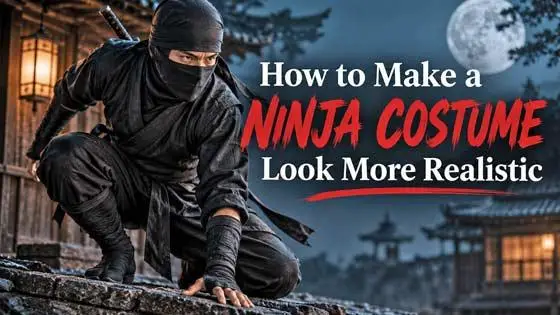
The image of a ninja clad in a sleek, black ninja suit is a staple of modern media, but the reality is more nuanced. Historians debate the uniformity of ninja attire, noting that shinobi likely prioritized disguise over a standardized ninjutsu uniform. A ninja operating in a rural setting might don a farmer's worn clothing, while one infiltrating a castle could mimic a servant or guard. The black ninja gi we associate with them today may have been popularized by Kabuki theater, where stagehands dressed in black to remain unseen against dark backdrops. That said, dark clothing could have been practical for night missions, inspiring our classic black ninja uniforms at KarateMart.com - perfect for evoking that timeless ninja mystique.
The terms "ninjitsu" and "ninjutsu" are often used interchangeably, but subtle distinctions exist. Ninjutsu, derived from the Japanese characters for "nin" (stealth) and "jutsu" (art or technique), refers to the comprehensive martial art and strategy system practiced by ninjas. It encompasses unarmed combat, weapon mastery, and survival skills. "Ninjitsu," however, is a Westernized misspelling that gained traction outside Japan, sometimes implying a narrower focus on fighting techniques. Purists argue ninjutsu is the correct term, reflecting its holistic nature. At KarateMart.com, we design our ninja suits to support the full scope of ninjutsu training, from agility drills to weapon concealment, honoring its rich tradition.
The dynamic between ninjas and samurai is a fascinating chapter in Japanese history. Samurai, bound by bushido, were elite warriors serving feudal lords, while ninjas operated as mercenaries or spies, often for rival factions. Direct clashes were rare - ninjas preferred evasion over confrontation - but they did occur. During the Siege of Iga (1581), for instance, Oda Nobunaga's samurai forces crushed the ninja stronghold of Iga, showcasing the tension between these groups. More often, ninjas undermined samurai through subterfuge, not open battle. Our real ninja uniforms reflect this stealthy heritage, offering the versatility needed to outmaneuver any opponent, samurai or otherwise.
Most ninja uniforms are made from cotton or cotton-blend fabrics, which makes them easy to care for with basic laundry habits. For regular training wear, machine washing in cold water with a mild detergent is usually all that's needed. Cold water helps prevent shrinking and keeps black fabric from fading as quickly over time. Turning the uniform inside out before washing can also reduce wear on seams and stitching.
Avoid using bleach or harsh detergents, especially on black uniforms, as these can cause discoloration and weaken the fabric. High heat is another enemy of ninja attire. Tumble drying on low or air drying is the best option. Excessive heat can shrink cotton and make the fabric stiff, which reduces comfort and flexibility during training.
After class, it's best not to leave a damp uniform sitting in a gym bag. Let it air out as soon as possible to prevent odor and mildew. With simple care and gentle washing, a ninja uniform will stay comfortable, flexible, and ready for training or performance for a long time.
In modern usage, what people call a "ninja uniform" is often referred to as a shinobi shozoku. The word shinobi is another name for ninja, and shozoku simply means clothing or outfit. Together, the term describes the attire associated with covert operatives in feudal Japan who specialized in espionage, scouting, and unconventional warfare.
Historically, there was no single standardized ninja outfit. Real shinobi wore whatever allowed them to blend into their surroundings. Farmers' clothes, monk robes, merchant garments, and even servant attire were far more common than a dedicated uniform. The idea of a distinct ninja outfit emerged later through theater, art, and storytelling, where visual clarity mattered more than historical accuracy.
The modern ninja uniform draws inspiration from that imagery. It represents the idea of a shinobi rather than an exact historical garment. Today's designs capture the spirit of stealth, mobility, and mystery that people associate with ninjas, making the outfit instantly recognizable while still practical for training and performance.
The image of a ninja dressed head to toe in black is largely a product of theater and popular culture rather than strict history. In traditional Japanese stage plays, characters dressed in solid black were meant to be "invisible" to the audience. When a character suddenly revealed themselves as a spy or assassin, that black-clad figure became visually associated with stealth. Over time, that convention evolved into the iconic ninja look we recognize today.
In reality, historical shinobi were far more practical. Their goal was to blend in, not stand out. A person sneaking through a village dressed in solid black would attract attention, not avoid it. Real ninjas wore whatever matched their environment: farmer clothing in rural areas, work garments in towns, or ordinary travel attire on the road. Camouflage came from looking normal, not mysterious.
The all-black ninja outfit survives because it communicates the idea of stealth instantly. It is symbolic rather than literal. Modern ninja uniforms embrace that symbolism, offering a look that feels secretive and powerful while remaining comfortable and functional for training, performance, or themed practice.
Modern ninja uniforms are influenced far more by pop culture than by strict historical record. Movies, television, anime, video games, and stage performances shaped the image of the ninja as a shadowy figure dressed in black, moving silently across rooftops and disappearing into the night. That visual language became so powerful that it replaced the more mundane reality of how shinobi actually dressed.
Historically, ninjas did not have a dedicated uniform in the way samurai had armor. Their strength came from anonymity. They wore whatever allowed them to pass unnoticed, which often meant ordinary clothing appropriate to the setting. The concept of a standardized ninja outfit emerged later as artists and storytellers sought a clear, dramatic way to represent secrecy and stealth.
Today's ninja uniforms are a fusion of that mythology and practical training needs. They preserve the iconic look people expect while being comfortable, lightweight, and functional for movement. They are not replicas of medieval garments, but they capture the spirit of agility, discretion, and mystery that defines the modern idea of a ninja.
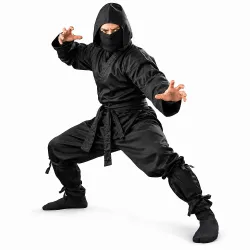
The face mask and hood are some of the most recognizable elements of a ninja outfit, and they exist as much for symbolism as for function. In stories and popular culture, covering the face reinforces the idea of secrecy and anonymity. A ninja is meant to be unknown, unseen, and unidentifiable, and a mask visually communicates that role in an instant.
From a practical standpoint, face coverings also make sense for training and performance. They help keep hair out of the eyes, reduce distractions, and create a unified look when worn by a group. In demonstrations or stage settings, the hooded silhouette adds drama and focus, turning attention toward movement rather than individual identity.
Historically, real shinobi relied on blending in rather than hiding their faces, but the modern ninja uniform embraces the mythic version of stealth. The mask and hood are not about literal concealment in daily life. They are about embodying the role. Wearing them helps students and performers step into the mindset of agility, awareness, and discipline that the ninja tradition represents today.
At KarateMart.com, we embrace this storied legacy by offering a diverse range of ninja outfits crafted for both authenticity and practicality. Our ninja suits come in an array of colors - black, blue, white, green, pink, and red - ensuring you can select a ninja uniform that suits your environment or personal style. Each ninjutsu uniform is built to withstand rigorous use, whether you're training in a dojo or embodying the ninja spirit for a special occasion like Halloween. Featuring durable fabrics and thoughtful design elements like inner jacket pockets for discreetly carrying ninja weapons, our ninja gi options cater to martial artists and enthusiasts alike. For those seeking a more theatrical flair, our Ninja Costumes section offers alternatives to the traditional ninja suit.
The history of ninjas stretches back to the turbulent Sengoku period (15th-17th centuries), a time of near-constant warfare in Japan. Ninjas, often hired by feudal lords or daimyo, excelled in unconventional tactics - think infiltration, assassination, and reconnaissance. Their ninja outfits evolved out of necessity, prioritizing functionality over ostentation. While popular culture often paints ninjas in iconic black garb, historical evidence suggests they wore whatever blended into their context, from peasant rags to muted earth tones. At KarateMart.com, we honor this adaptability with ninja uniforms that balance historical inspiration with modern durability, ensuring you're equipped for any stealthy endeavor.
Did Ninjas Really Wear Ninja Suits?
The image of a ninja clad in a sleek, black ninja suit is a staple of modern media, but the reality is more nuanced. Historians debate the uniformity of ninja attire, noting that shinobi likely prioritized disguise over a standardized ninjutsu uniform. A ninja operating in a rural setting might don a farmer's worn clothing, while one infiltrating a castle could mimic a servant or guard. The black ninja gi we associate with them today may have been popularized by Kabuki theater, where stagehands dressed in black to remain unseen against dark backdrops. That said, dark clothing could have been practical for night missions, inspiring our classic black ninja uniforms at KarateMart.com - perfect for evoking that timeless ninja mystique.
Is It Spelled Ninjitsu or Ninjutsu?
The terms "ninjitsu" and "ninjutsu" are often used interchangeably, but subtle distinctions exist. Ninjutsu, derived from the Japanese characters for "nin" (stealth) and "jutsu" (art or technique), refers to the comprehensive martial art and strategy system practiced by ninjas. It encompasses unarmed combat, weapon mastery, and survival skills. "Ninjitsu," however, is a Westernized misspelling that gained traction outside Japan, sometimes implying a narrower focus on fighting techniques. Purists argue ninjutsu is the correct term, reflecting its holistic nature. At KarateMart.com, we design our ninja suits to support the full scope of ninjutsu training, from agility drills to weapon concealment, honoring its rich tradition.
Did Ninjas and Samurai Ever Fight?
The dynamic between ninjas and samurai is a fascinating chapter in Japanese history. Samurai, bound by bushido, were elite warriors serving feudal lords, while ninjas operated as mercenaries or spies, often for rival factions. Direct clashes were rare - ninjas preferred evasion over confrontation - but they did occur. During the Siege of Iga (1581), for instance, Oda Nobunaga's samurai forces crushed the ninja stronghold of Iga, showcasing the tension between these groups. More often, ninjas undermined samurai through subterfuge, not open battle. Our real ninja uniforms reflect this stealthy heritage, offering the versatility needed to outmaneuver any opponent, samurai or otherwise.
How Do I Care for and Wash a Ninja Uniform?
Most ninja uniforms are made from cotton or cotton-blend fabrics, which makes them easy to care for with basic laundry habits. For regular training wear, machine washing in cold water with a mild detergent is usually all that's needed. Cold water helps prevent shrinking and keeps black fabric from fading as quickly over time. Turning the uniform inside out before washing can also reduce wear on seams and stitching.
Avoid using bleach or harsh detergents, especially on black uniforms, as these can cause discoloration and weaken the fabric. High heat is another enemy of ninja attire. Tumble drying on low or air drying is the best option. Excessive heat can shrink cotton and make the fabric stiff, which reduces comfort and flexibility during training.
After class, it's best not to leave a damp uniform sitting in a gym bag. Let it air out as soon as possible to prevent odor and mildew. With simple care and gentle washing, a ninja uniform will stay comfortable, flexible, and ready for training or performance for a long time.
What Is a Ninja Uniform Traditionally Called?
In modern usage, what people call a "ninja uniform" is often referred to as a shinobi shozoku. The word shinobi is another name for ninja, and shozoku simply means clothing or outfit. Together, the term describes the attire associated with covert operatives in feudal Japan who specialized in espionage, scouting, and unconventional warfare.
Historically, there was no single standardized ninja outfit. Real shinobi wore whatever allowed them to blend into their surroundings. Farmers' clothes, monk robes, merchant garments, and even servant attire were far more common than a dedicated uniform. The idea of a distinct ninja outfit emerged later through theater, art, and storytelling, where visual clarity mattered more than historical accuracy.
The modern ninja uniform draws inspiration from that imagery. It represents the idea of a shinobi rather than an exact historical garment. Today's designs capture the spirit of stealth, mobility, and mystery that people associate with ninjas, making the outfit instantly recognizable while still practical for training and performance.
Did Real Ninjas Actually Wear All Black?
The image of a ninja dressed head to toe in black is largely a product of theater and popular culture rather than strict history. In traditional Japanese stage plays, characters dressed in solid black were meant to be "invisible" to the audience. When a character suddenly revealed themselves as a spy or assassin, that black-clad figure became visually associated with stealth. Over time, that convention evolved into the iconic ninja look we recognize today.
In reality, historical shinobi were far more practical. Their goal was to blend in, not stand out. A person sneaking through a village dressed in solid black would attract attention, not avoid it. Real ninjas wore whatever matched their environment: farmer clothing in rural areas, work garments in towns, or ordinary travel attire on the road. Camouflage came from looking normal, not mysterious.
The all-black ninja outfit survives because it communicates the idea of stealth instantly. It is symbolic rather than literal. Modern ninja uniforms embrace that symbolism, offering a look that feels secretive and powerful while remaining comfortable and functional for training, performance, or themed practice.
Are Modern Ninja Uniforms Based on History or Pop Culture?
Modern ninja uniforms are influenced far more by pop culture than by strict historical record. Movies, television, anime, video games, and stage performances shaped the image of the ninja as a shadowy figure dressed in black, moving silently across rooftops and disappearing into the night. That visual language became so powerful that it replaced the more mundane reality of how shinobi actually dressed.
Historically, ninjas did not have a dedicated uniform in the way samurai had armor. Their strength came from anonymity. They wore whatever allowed them to pass unnoticed, which often meant ordinary clothing appropriate to the setting. The concept of a standardized ninja outfit emerged later as artists and storytellers sought a clear, dramatic way to represent secrecy and stealth.
Today's ninja uniforms are a fusion of that mythology and practical training needs. They preserve the iconic look people expect while being comfortable, lightweight, and functional for movement. They are not replicas of medieval garments, but they capture the spirit of agility, discretion, and mystery that defines the modern idea of a ninja.
Why Do Ninja Uniforms Often Include Face Masks or Hoods?
The face mask and hood are some of the most recognizable elements of a ninja outfit, and they exist as much for symbolism as for function. In stories and popular culture, covering the face reinforces the idea of secrecy and anonymity. A ninja is meant to be unknown, unseen, and unidentifiable, and a mask visually communicates that role in an instant.
From a practical standpoint, face coverings also make sense for training and performance. They help keep hair out of the eyes, reduce distractions, and create a unified look when worn by a group. In demonstrations or stage settings, the hooded silhouette adds drama and focus, turning attention toward movement rather than individual identity.
Historically, real shinobi relied on blending in rather than hiding their faces, but the modern ninja uniform embraces the mythic version of stealth. The mask and hood are not about literal concealment in daily life. They are about embodying the role. Wearing them helps students and performers step into the mindset of agility, awareness, and discipline that the ninja tradition represents today.