




Martial Arts Shoes - Karate, Taekwondo and Kung Fu Footwear
-
 🔍︎ QUICK VIEW
-
 🔍︎ QUICK VIEW
-
 🔍︎ QUICK VIEW
-
 🔍︎ QUICK VIEW
$18.95
🔍︎ QUICK VIEW
$18.95 -
 🔍︎ QUICK VIEW
-
 🔍︎ QUICK VIEW
-
 🔍︎ QUICK VIEW
-
 🔍︎ QUICK VIEW
 (2)
(2) (2)
(2)Martial Arts Shoes - Karate, Taekwondo and Kung Fu Footwear
When you're serious about martial arts, the right gear can make all the difference, and that includes your footwear. Martial arts shoes are designed to meet the unique needs of fighters, athletes, and traditionalists across a wide range of disciplines. Whether you're practicing karate, kung fu, taekwondo, or tai chi, having the right martial arts footwear can enhance your performance, protect your feet, and keep you comfortable through hours of training.
Martial arts shoes aren't just regular sneakers with a different label. They're specifically built to provide a combination of support, flexibility, and traction. Whether you call them dojo shoes, martial arts slippers, or mat shoes, these are crafted with movement in mind. They allow for the precision footwork required in forms, drills, and sparring, while offering protection against the repetitive impacts that can come from training on hard surfaces or mats.
Karate shoes are often simple and low-profile. Karate is a discipline that values stability, strong stances, and quick pivots. Good shoes for karate are those that support flat-footed positioning and allow your toes to grip the mat naturally. The best karate shoes provide a smooth sole with just enough grip to help with balance, without getting in the way of spinning kicks or sudden shifts in direction. Many karateka prefer lightweight karate sneakers or slip-on styles that stay snug on the foot and don't interfere with their technique.
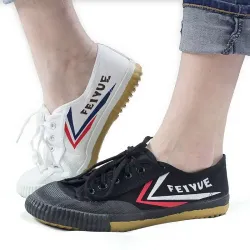
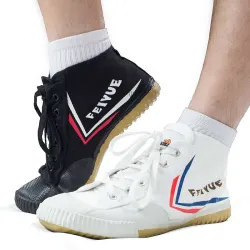
Taekwondo shoes are designed with agility in mind. This Korean martial art emphasizes explosive kicks, dynamic footwork, and rapid changes in direction. That means TKD shoes need to be especially light, breathable, and flexible. The best shoes for taekwondo training offer enough grip for stability but also a smooth enough surface for spinning techniques. Some designs feature pivot points to assist with those fast, rotational kicks. Whether you're practicing patterns or gearing up for a sparring match, taekwondo footwear should feel like a natural extension of your feet.
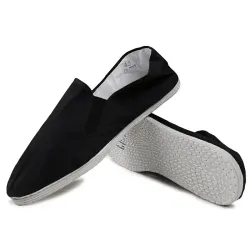
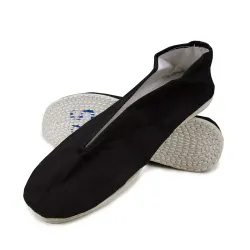
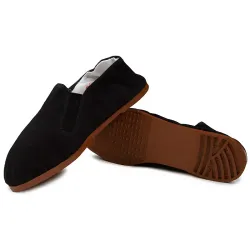
Kung fu shoes are rooted in tradition and practicality. They tend to be minimalistic, made to allow for natural foot movement and flexibility. Kung fu practitioners rely on grounded stances, flowing transitions, and fast, intricate footwork, so their shoes need to be light and responsive. Traditional kung fu footwear often comes in cotton-soled or rubber-soled versions, depending on whether you're training indoors or outside. The cotton soles offer excellent feel for the floor, which is great for more fluid martial arts like Tai Chi, while rubber soles provide a bit more durability for hard surfaces. If you're looking for kung fu shoes for men or women, comfort and simplicity are key.
Tai chi shoes follow similar principles. Since tai chi is all about slow, controlled motion and balance, the ideal footwear is soft, flexible, and comfortable. The best martial arts shoes for tai chi are those that help you stay rooted yet fluid. Whether you're practicing on hardwood floors, mats, or even in a park, tai chi shoes provide a balance of support and sensitivity, allowing you to stay mindful of every shift in weight and direction.
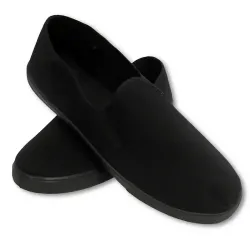
Some martial artists prefer martial arts slippers or slipper-style shoes. These are especially popular for styles that involve light movement, low-impact training, or traditional forms. Martial arts slippers are often worn in dojos where mats are used, since they're soft-soled and don't damage the training surface. They're easy to slip on and off, which makes them a convenient choice for quick transitions in and out of the training area.
Martial arts sneakers offer a different experience. They're usually designed for more intensive workouts, offering extra durability and support. These types of shoes are great for cross-training, conditioning drills, or students who spend a lot of time in both forms practice and sparring. They may have slightly more structure than traditional slippers but still maintain the flexibility required for martial arts training.
One of the most overlooked advantages of martial arts shoes is the hygiene factor. Training barefoot is traditional in many dojos and kwoons, but using shoes can help reduce the spread of bacteria, fungi, and other foot-related issues. Martial arts mat shoes give you a protective barrier between your feet and the training floor, which is especially helpful in busy schools where dozens of students train daily. Clean shoes also help preserve your mat surface, preventing wear and tear that can result from repeated training in bare feet.
For those practicing outdoors or doing weapons training on rough surfaces, martial arts shoes also offer essential protection. Stones, debris, or even just rough concrete can take a toll on your feet over time. Having a solid pair of martial arts shoes ensures you can focus on your training without having to worry about cuts, scrapes, or foot fatigue.
At KarateMart.com, we're proud to carry one of the best selections of martial arts footwear online. We know that every martial artist has different needs depending on their style, their goals, and their comfort preferences. Whether you're looking for sleek karate sneakers, durable taekwondo shoes, traditional kung fu footwear, or soft tai chi slippers, we've got options to suit your training.
If you're not sure which martial arts shoes are right for you, don't worry. Our team is here to help you figure out what you need based on your martial art, your training environment, and your personal preferences. Whether you're looking for the best shoes for karate, kung fu shoes for men, or just a reliable pair of martial arts mat shoes, we're happy to help you make the right choice.
Choosing the right footwear might seem like a small decision, but it can have a big impact on how you train. The best martial arts shoes are the ones that help you stay focused, move naturally, and stay safe. They become part of your rhythm, part of your technique, and part of your mindset. Take the time to find what feels right, and your training will thank you for it.
Martial arts shoes are lightweight training footwear designed to protect your feet while preserving balance, grip, and sensitivity to the floor. Unlike regular sneakers, they are built with thin, flexible soles and minimal padding so you can feel your footing during stances, pivots, and kicks. They are meant to move with your foot rather than isolate it from the ground.
Many martial artists train barefoot, but shoes become useful in several situations. Some schools require them for hygiene or safety. Outdoor training, concrete floors, and rough surfaces can be hard on bare feet. Shoes provide a layer of protection without sacrificing control. They are also common in styles like kung fu, taekwondo, and weapons training, where fast footwork and lateral movement are central to practice.
The goal of martial arts footwear is not comfort in the casual sense. It is performance. A good pair of training shoes lets you pivot smoothly, maintain traction, and protect your feet without dulling your awareness of the floor. They act as an extension of your stance rather than a barrier between you and the ground.
Kung fu shoes are designed to feel almost like an extension of your bare feet. They typically use thin cotton or rubber soles that allow you to stay low to the ground and feel subtle changes in balance. This is important in kung fu training, where stances are deep, footwork is fluid, and control often comes from how well you can sense the floor beneath you.
Compared to karate or taekwondo shoes, kung fu footwear is usually lighter and more flexible. There is very little padding, no bulky heel, and no stiff arch support. That simplicity allows natural foot movement during spins, sweeps, and transitions. The shoe bends easily with the foot, which keeps your movement soft and connected rather than rigid.
Many kung fu shoes also feature a flat profile with minimal tread. This helps prevent sticking during pivots and turns while still providing enough grip to stay stable in wide stances. The result is a shoe that protects the foot without interfering with the grounded, flowing movement that defines Chinese martial arts.
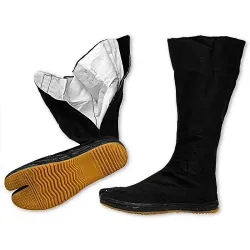
Ninja tabi boots are instantly recognizable by their split-toe design, which separates the big toe from the rest of the foot. This style comes from traditional Japanese footwear and was originally used by workers and travelers who needed better grip and balance on uneven terrain. In martial arts, that same design provides a more natural feel when stepping, pivoting, or climbing.
Compared to standard martial arts shoes, tabi boots tend to offer more ankle coverage and a closer, sock-like fit. They wrap the foot and lower leg more tightly, which can give a greater sense of control during fast movement. The split toe allows the foot to spread slightly, improving stability and helping with precise foot placement.
While regular martial arts shoes feel like lightweight sneakers, tabi boots feel more like a second skin. They are often chosen for ninja-themed training, weapons practice, or performance because they combine historical style with practical traction. The design emphasizes agility and ground contact rather than cushioning or impact absorption.
Different martial arts place different demands on the feet, so the type of shoe that works best can vary by style. Karate is traditionally practiced barefoot, and many dojos continue that tradition. When shoes are used, they are usually very minimal, designed to protect the foot without changing stance or balance. Thin-soled karate shoes keep the feel of barefoot training while adding a light layer of protection.
Taekwondo emphasizes speed, kicking, and rapid directional changes. Taekwondo shoes often have a slightly smoother sole and a snug fit that supports quick pivots and sliding footwork. They are commonly worn in tournaments and demonstrations, and some schools prefer them for daily training, especially on hard floors.
Kung fu training benefits from footwear that stays low to the ground and moves fluidly with the foot. Kung fu shoes are built for deep stances, circular motion, and grounded movement. While you can sometimes cross styles, the best experience usually comes from wearing shoes designed for the way your art moves. Matching your footwear to your training style helps you move naturally and stay connected to the floor.
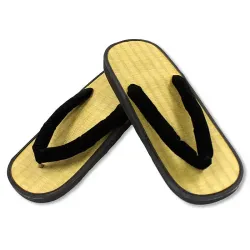
Zori sandals are traditional Japanese footwear made with flat soles and simple straps that pass between the toes. They are not training shoes in the technical sense, but they play an important role in martial arts culture. Zori are commonly worn before and after class, during travel to and from the dojo, or around training spaces where outdoor shoes are not appropriate.
In many schools, zori are used as a clean transition between the outside world and the training floor. Students slip them on when stepping off the mat or leaving the building, then remove them before practice begins. This keeps training areas clean while preserving a sense of tradition and respect for the space.
Zori are lightweight, simple, and easy to carry in a gym bag. They are not meant for sparring or drills, but they are a practical companion to martial arts footwear. For students who train barefoot or in minimal shoes, zori provide a convenient and culturally rooted way to move between class and daily life.
Martial arts shoes should fit snugly without feeling restrictive. You want the shoe to move with your foot rather than slide around it. A loose fit can cause your heel to lift, your toes to shift, or the sole to twist during pivots, which affects balance and control. That kind of movement is distracting at best and unsafe at worst.
At the same time, the shoe should never pinch or compress your foot. Martial arts training involves constant flexing, bending, and weight shifts, so your toes need room to spread naturally. A proper fit feels secure across the midfoot and heel while leaving enough space at the front for comfort during stances and kicks.
Think of martial arts shoes like a second skin rather than a cushion. They should feel connected and responsive, allowing you to sense the floor and move confidently. When the fit is right, the shoe disappears from your awareness and lets you focus entirely on your movement.
Policies vary from school to school, so the best answer is always to ask your instructor. Many traditional dojos prefer barefoot training to preserve feel, balance, and tradition. In those environments, shoes may be discouraged or limited to specific situations such as injuries, outdoor classes, or demonstrations.
That said, some schools welcome lightweight training shoes for hygiene, safety, or comfort on hard floors. This is especially common in community centers, gyms, and multipurpose spaces where mats are not always available. In those settings, martial arts shoes provide traction and protection without changing how students move.
The key is respect for the training space. If a dojo trains barefoot, follow that custom unless you are given permission to wear shoes. When shoes are allowed, they should be clean and used only for training. Martial arts footwear is designed for this purpose and helps maintain the spirit and cleanliness of the dojo.
Whether your martial arts shoes can be worn outdoors depends largely on the type of sole they use. Shoes with cotton soles are designed primarily for indoor training on mats or smooth floors. They offer excellent floor feel and quiet movement, but they wear down quickly on concrete, asphalt, or rough surfaces. Using them outdoors will shorten their lifespan and reduce traction over time.
Rubber-soled martial arts shoes are far more versatile. They can handle gym floors, wooden surfaces, and light outdoor use without breaking down. This makes them a better option for training in parks, driveways, or multipurpose spaces where the floor is unpredictable. They still remain thin and flexible compared to athletic sneakers, so they preserve the feel of martial arts movement while adding durability.
If you train both indoors and outdoors, it is often worth keeping two pairs. One reserved for the dojo and one for outside practice. This keeps indoor shoes clean and extends their life while giving you the freedom to train wherever space is available.
Most martial arts shoes are designed to be lightweight and flexible, which means they benefit from gentle care. After training, it's best to let them air out rather than leaving them sealed in a bag. Moisture trapped inside can lead to odor and shorten the life of the materials. Simply opening them up and allowing them to dry naturally goes a long way toward keeping them fresh.
For cotton or canvas shoes, light hand washing with mild soap and cold water is usually enough. Avoid using harsh detergents or bleach, as these can weaken the fabric and cause fading. Rubber-soled shoes can often be wiped down with a damp cloth to remove dust and sweat. Machine washing is not recommended unless the manufacturer specifically states that it is safe, as agitation and heat can warp the sole or shrink the upper.
Always air dry martial arts shoes. High heat from a dryer can stiffen the sole, shrink fabric, and damage adhesives. With simple, regular care, your shoes will stay comfortable, flexible, and ready for training while maintaining the clean appearance expected in a dojo or training hall.
Martial arts shoes aren't just regular sneakers with a different label. They're specifically built to provide a combination of support, flexibility, and traction. Whether you call them dojo shoes, martial arts slippers, or mat shoes, these are crafted with movement in mind. They allow for the precision footwork required in forms, drills, and sparring, while offering protection against the repetitive impacts that can come from training on hard surfaces or mats.
Footwear by Martial Art Style
Karate shoes are often simple and low-profile. Karate is a discipline that values stability, strong stances, and quick pivots. Good shoes for karate are those that support flat-footed positioning and allow your toes to grip the mat naturally. The best karate shoes provide a smooth sole with just enough grip to help with balance, without getting in the way of spinning kicks or sudden shifts in direction. Many karateka prefer lightweight karate sneakers or slip-on styles that stay snug on the foot and don't interfere with their technique.
Taekwondo shoes are designed with agility in mind. This Korean martial art emphasizes explosive kicks, dynamic footwork, and rapid changes in direction. That means TKD shoes need to be especially light, breathable, and flexible. The best shoes for taekwondo training offer enough grip for stability but also a smooth enough surface for spinning techniques. Some designs feature pivot points to assist with those fast, rotational kicks. Whether you're practicing patterns or gearing up for a sparring match, taekwondo footwear should feel like a natural extension of your feet.
Kung fu shoes are rooted in tradition and practicality. They tend to be minimalistic, made to allow for natural foot movement and flexibility. Kung fu practitioners rely on grounded stances, flowing transitions, and fast, intricate footwork, so their shoes need to be light and responsive. Traditional kung fu footwear often comes in cotton-soled or rubber-soled versions, depending on whether you're training indoors or outside. The cotton soles offer excellent feel for the floor, which is great for more fluid martial arts like Tai Chi, while rubber soles provide a bit more durability for hard surfaces. If you're looking for kung fu shoes for men or women, comfort and simplicity are key.
Tai chi shoes follow similar principles. Since tai chi is all about slow, controlled motion and balance, the ideal footwear is soft, flexible, and comfortable. The best martial arts shoes for tai chi are those that help you stay rooted yet fluid. Whether you're practicing on hardwood floors, mats, or even in a park, tai chi shoes provide a balance of support and sensitivity, allowing you to stay mindful of every shift in weight and direction.
Different Types of Martial Arts Footwear
Some martial artists prefer martial arts slippers or slipper-style shoes. These are especially popular for styles that involve light movement, low-impact training, or traditional forms. Martial arts slippers are often worn in dojos where mats are used, since they're soft-soled and don't damage the training surface. They're easy to slip on and off, which makes them a convenient choice for quick transitions in and out of the training area.
Martial arts sneakers offer a different experience. They're usually designed for more intensive workouts, offering extra durability and support. These types of shoes are great for cross-training, conditioning drills, or students who spend a lot of time in both forms practice and sparring. They may have slightly more structure than traditional slippers but still maintain the flexibility required for martial arts training.
Hygiene, Protection, and Training Environment
One of the most overlooked advantages of martial arts shoes is the hygiene factor. Training barefoot is traditional in many dojos and kwoons, but using shoes can help reduce the spread of bacteria, fungi, and other foot-related issues. Martial arts mat shoes give you a protective barrier between your feet and the training floor, which is especially helpful in busy schools where dozens of students train daily. Clean shoes also help preserve your mat surface, preventing wear and tear that can result from repeated training in bare feet.
For those practicing outdoors or doing weapons training on rough surfaces, martial arts shoes also offer essential protection. Stones, debris, or even just rough concrete can take a toll on your feet over time. Having a solid pair of martial arts shoes ensures you can focus on your training without having to worry about cuts, scrapes, or foot fatigue.
Choosing the Right Martial Arts Shoes
At KarateMart.com, we're proud to carry one of the best selections of martial arts footwear online. We know that every martial artist has different needs depending on their style, their goals, and their comfort preferences. Whether you're looking for sleek karate sneakers, durable taekwondo shoes, traditional kung fu footwear, or soft tai chi slippers, we've got options to suit your training.
If you're not sure which martial arts shoes are right for you, don't worry. Our team is here to help you figure out what you need based on your martial art, your training environment, and your personal preferences. Whether you're looking for the best shoes for karate, kung fu shoes for men, or just a reliable pair of martial arts mat shoes, we're happy to help you make the right choice.
Choosing the right footwear might seem like a small decision, but it can have a big impact on how you train. The best martial arts shoes are the ones that help you stay focused, move naturally, and stay safe. They become part of your rhythm, part of your technique, and part of your mindset. Take the time to find what feels right, and your training will thank you for it.
What Are Martial Arts Shoes and Why Would I Wear Them?
Martial arts shoes are lightweight training footwear designed to protect your feet while preserving balance, grip, and sensitivity to the floor. Unlike regular sneakers, they are built with thin, flexible soles and minimal padding so you can feel your footing during stances, pivots, and kicks. They are meant to move with your foot rather than isolate it from the ground.
Many martial artists train barefoot, but shoes become useful in several situations. Some schools require them for hygiene or safety. Outdoor training, concrete floors, and rough surfaces can be hard on bare feet. Shoes provide a layer of protection without sacrificing control. They are also common in styles like kung fu, taekwondo, and weapons training, where fast footwork and lateral movement are central to practice.
The goal of martial arts footwear is not comfort in the casual sense. It is performance. A good pair of training shoes lets you pivot smoothly, maintain traction, and protect your feet without dulling your awareness of the floor. They act as an extension of your stance rather than a barrier between you and the ground.
What Makes Kung Fu Shoes Different from Other Martial Arts Footwear?
Kung fu shoes are designed to feel almost like an extension of your bare feet. They typically use thin cotton or rubber soles that allow you to stay low to the ground and feel subtle changes in balance. This is important in kung fu training, where stances are deep, footwork is fluid, and control often comes from how well you can sense the floor beneath you.
Compared to karate or taekwondo shoes, kung fu footwear is usually lighter and more flexible. There is very little padding, no bulky heel, and no stiff arch support. That simplicity allows natural foot movement during spins, sweeps, and transitions. The shoe bends easily with the foot, which keeps your movement soft and connected rather than rigid.
Many kung fu shoes also feature a flat profile with minimal tread. This helps prevent sticking during pivots and turns while still providing enough grip to stay stable in wide stances. The result is a shoe that protects the foot without interfering with the grounded, flowing movement that defines Chinese martial arts.
How Do Ninja Tabi Boots Differ from Regular Martial Arts Shoes?
Ninja tabi boots are instantly recognizable by their split-toe design, which separates the big toe from the rest of the foot. This style comes from traditional Japanese footwear and was originally used by workers and travelers who needed better grip and balance on uneven terrain. In martial arts, that same design provides a more natural feel when stepping, pivoting, or climbing.
Compared to standard martial arts shoes, tabi boots tend to offer more ankle coverage and a closer, sock-like fit. They wrap the foot and lower leg more tightly, which can give a greater sense of control during fast movement. The split toe allows the foot to spread slightly, improving stability and helping with precise foot placement.
While regular martial arts shoes feel like lightweight sneakers, tabi boots feel more like a second skin. They are often chosen for ninja-themed training, weapons practice, or performance because they combine historical style with practical traction. The design emphasizes agility and ground contact rather than cushioning or impact absorption.
Do I Need Different Shoes for Karate, Taekwondo, or Kung Fu?
Different martial arts place different demands on the feet, so the type of shoe that works best can vary by style. Karate is traditionally practiced barefoot, and many dojos continue that tradition. When shoes are used, they are usually very minimal, designed to protect the foot without changing stance or balance. Thin-soled karate shoes keep the feel of barefoot training while adding a light layer of protection.
Taekwondo emphasizes speed, kicking, and rapid directional changes. Taekwondo shoes often have a slightly smoother sole and a snug fit that supports quick pivots and sliding footwork. They are commonly worn in tournaments and demonstrations, and some schools prefer them for daily training, especially on hard floors.
Kung fu training benefits from footwear that stays low to the ground and moves fluidly with the foot. Kung fu shoes are built for deep stances, circular motion, and grounded movement. While you can sometimes cross styles, the best experience usually comes from wearing shoes designed for the way your art moves. Matching your footwear to your training style helps you move naturally and stay connected to the floor.
What Are Zori Sandals and When Should I Wear Them?
Zori sandals are traditional Japanese footwear made with flat soles and simple straps that pass between the toes. They are not training shoes in the technical sense, but they play an important role in martial arts culture. Zori are commonly worn before and after class, during travel to and from the dojo, or around training spaces where outdoor shoes are not appropriate.
In many schools, zori are used as a clean transition between the outside world and the training floor. Students slip them on when stepping off the mat or leaving the building, then remove them before practice begins. This keeps training areas clean while preserving a sense of tradition and respect for the space.
Zori are lightweight, simple, and easy to carry in a gym bag. They are not meant for sparring or drills, but they are a practical companion to martial arts footwear. For students who train barefoot or in minimal shoes, zori provide a convenient and culturally rooted way to move between class and daily life.
Should Martial Arts Shoes Be Tight or Loose Fitting?
Martial arts shoes should fit snugly without feeling restrictive. You want the shoe to move with your foot rather than slide around it. A loose fit can cause your heel to lift, your toes to shift, or the sole to twist during pivots, which affects balance and control. That kind of movement is distracting at best and unsafe at worst.
At the same time, the shoe should never pinch or compress your foot. Martial arts training involves constant flexing, bending, and weight shifts, so your toes need room to spread naturally. A proper fit feels secure across the midfoot and heel while leaving enough space at the front for comfort during stances and kicks.
Think of martial arts shoes like a second skin rather than a cushion. They should feel connected and responsive, allowing you to sense the floor and move confidently. When the fit is right, the shoe disappears from your awareness and lets you focus entirely on your movement.
Are Martial Arts Shoes Allowed in Dojos That Normally Train Barefoot?
Policies vary from school to school, so the best answer is always to ask your instructor. Many traditional dojos prefer barefoot training to preserve feel, balance, and tradition. In those environments, shoes may be discouraged or limited to specific situations such as injuries, outdoor classes, or demonstrations.
That said, some schools welcome lightweight training shoes for hygiene, safety, or comfort on hard floors. This is especially common in community centers, gyms, and multipurpose spaces where mats are not always available. In those settings, martial arts shoes provide traction and protection without changing how students move.
The key is respect for the training space. If a dojo trains barefoot, follow that custom unless you are given permission to wear shoes. When shoes are allowed, they should be clean and used only for training. Martial arts footwear is designed for this purpose and helps maintain the spirit and cleanliness of the dojo.
Can I Wear Martial Arts Shoes for Outdoor Training or Just Indoors?
Whether your martial arts shoes can be worn outdoors depends largely on the type of sole they use. Shoes with cotton soles are designed primarily for indoor training on mats or smooth floors. They offer excellent floor feel and quiet movement, but they wear down quickly on concrete, asphalt, or rough surfaces. Using them outdoors will shorten their lifespan and reduce traction over time.
Rubber-soled martial arts shoes are far more versatile. They can handle gym floors, wooden surfaces, and light outdoor use without breaking down. This makes them a better option for training in parks, driveways, or multipurpose spaces where the floor is unpredictable. They still remain thin and flexible compared to athletic sneakers, so they preserve the feel of martial arts movement while adding durability.
If you train both indoors and outdoors, it is often worth keeping two pairs. One reserved for the dojo and one for outside practice. This keeps indoor shoes clean and extends their life while giving you the freedom to train wherever space is available.
How Do I Care for and Clean My Martial Arts Shoes?
Most martial arts shoes are designed to be lightweight and flexible, which means they benefit from gentle care. After training, it's best to let them air out rather than leaving them sealed in a bag. Moisture trapped inside can lead to odor and shorten the life of the materials. Simply opening them up and allowing them to dry naturally goes a long way toward keeping them fresh.
For cotton or canvas shoes, light hand washing with mild soap and cold water is usually enough. Avoid using harsh detergents or bleach, as these can weaken the fabric and cause fading. Rubber-soled shoes can often be wiped down with a damp cloth to remove dust and sweat. Machine washing is not recommended unless the manufacturer specifically states that it is safe, as agitation and heat can warp the sole or shrink the upper.
Always air dry martial arts shoes. High heat from a dryer can stiffen the sole, shrink fabric, and damage adhesives. With simple, regular care, your shoes will stay comfortable, flexible, and ready for training while maintaining the clean appearance expected in a dojo or training hall.