



Ninja Gear, Weapons, and Supplies

Ninja Gear, Weapons, and Supplies
If you're looking for real ninja gear, the kind that was actually used by historical shinobi and refined through generations of martial arts training, you're in the right place. This is where you'll find serious ninja gear for sale, from functional weapons and training tools to traditional ninja outfits and masks. Whether you're deep into ninjutsu practice or just want some cool ninja stuff that goes beyond movie props, we've got the ninja gear that delivers.
Historically, ninjas weren't the black-clad warriors Hollywood made them out to be. They were covert operatives, often disguised as farmers, monks, or merchants to move unnoticed. Operating mainly during Japan's Sengoku period, their missions included infiltration, sabotage, surveillance, and escape. The tools they used were designed with a purpose: silence, speed, and utility.
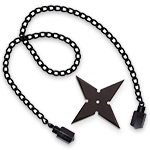
Our selection of real ninja supplies reflects that. For example, traditional ninja weapons like shuriken weren't designed to kill, but to distract, injure, or create opportunities. We carry hira-shuriken (flat throwing stars) in various styles, along with bo-shuriken (throwing spikes), which require precise technique and are ideal for skill development. These aren't toys. They're balanced, steel-crafted tools made for actual practice.
One of the most misunderstood pieces of ninja gear is the ninja sword, or ninjato. It's not just a katana with a black handle. The blade was typically straight, shorter than a katana, and designed for speed. Many versions had a square tsuba (guard) that could be used as a step when scaling walls. We carry full-tang, sharpened ninjato built for cutting drills, as well as training-grade swords for dojo use. If you're after real ninja gear that holds up in action, this is it.
We also stock more specialized ninjutsu gear like the manriki-gusari, a weighted chain that was used for joint locks, disarming, or entangling enemies. It looks simple but requires solid technique to use effectively. Our training-grade manriki chains are ideal for those studying traditional Japanese weapon systems.
Another piece of practical ninja equipment is the blowgun. Used for silent distance attacks, it was often tipped with poison or simply used to distract. Our blowguns are built from lightweight alloy and come with precision darts, mouthpieces, and quivers for rapid use.
In addition to the weapons, stealth and movement tools were just as important to the ninjas. That's why we carry real ninja supplies like shuko (hand claws) and ashiko (foot claws), which were used for climbing trees, walls, and even wooden structures. When paired with a proper training routine, they give you a solid introduction to traditional movement tactics.
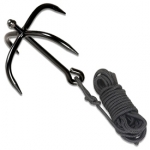
Then there are tools like grappling hooks, used to scale vertical surfaces or secure ropes during infiltration missions. Ours are made with steel construction and collapsible prongs, making them easy to transport and practical for field training or obstacle work. We also offer steel caltrops, those small, multi-pointed spikes thrown on the ground to slow pursuers or secure escape routes.
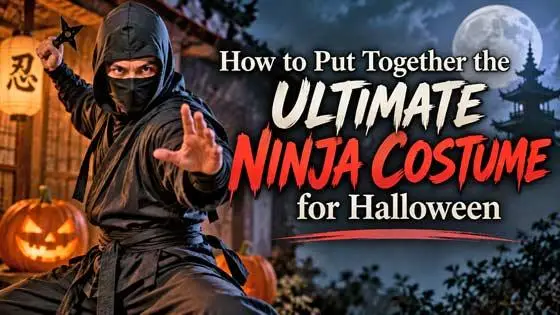
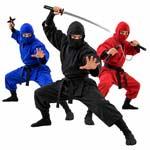
For those into traditional attire, we've got complete ninja uniforms, including tabi boots, black jackets and pants with reinforced stitching, and wraps that give you full range of motion. Our ninja masks and hoods are made with breathable material, built for both performance and appearance. Whether you're performing in a demo, filming, or training hard, this ninja stuff holds up.
Unlike the generic costumes out there, our ninja uniforms are built by martial artists who know what works. They're great for ninjutsu practice, cosplay, or tactical use. If you're looking for functional ninja gear that actually fits and moves like it's supposed to, this is where you'll find it.
This isn't just a collection of flashy ninja merchandise. It's a serious selection of gear that blends historical use with modern martial arts practicality. Whether you need ninjitsu gear for your dojo, real ninja gear for a demo, or just want to add some functional cool ninja stuff to your training setup, we've got you covered. That's why martial artists and collectors trust us for dependable, authentic ninja supplies.
Most people imagine ninjas wearing all-black outfits and throwing stars, but that wasn't exactly how things worked. Ninjas were spies and covert operatives, so their main goal was to blend in. Depending on the mission, they might dress like farmers, merchants or even monks to avoid drawing attention. The iconic black suit probably came later, used mainly for nighttime operations.
Ninjas carried a variety of weapons that were practical and easy to conceal. Shuriken, or throwing stars, are the most famous. There were two main types: hira-shuriken, which are flat stars, and bo-shuriken, thin pointed spikes. These were mainly used to distract or wound an opponent, not necessarily to kill. They required skill to throw accurately, and some ninjas even sharpened the edges to cause more damage.
The ninja sword, known as the ninjato, was different from the samurai katana. It was usually straight and shorter, making it easier to maneuver in tight spaces or during quick attacks. Some historical accounts mention a square guard, or tsuba, which could be used as a foothold to climb walls. This shows how ninjas relied on multi-purpose tools.
Another unique weapon was the manriki-gusari, a weighted chain about six feet long. Ninjas used it for joint locks, disarming enemies, or even strangulation. This weapon was small and easy to carry but deadly in skilled hands. Blowguns were also part of their arsenal, used to shoot poisoned darts silently from a distance.
For movement and stealth, ninjas used specialized gear like shuko, hand claws with spikes attached to the palm, and ashiko, similar spikes for the feet. These helped with climbing trees, walls, or wooden structures quietly. Caltrops (small, multi-pointed spikes) were scattered on the ground to slow down or injure pursuers. Grappling hooks made it easier to scale walls or cross gaps during infiltration missions.
The common thread with all ninja gear was functionality. Every tool had a purpose related to stealth, speed, or surprise. They weren't flashy or heavy but designed for quick, efficient use in dangerous situations. This practical approach to equipment is part of what made ninjas effective as spies and warriors.
Yes, shuriken were real tools used by historical shinobi, but not in the way movies often portray them. They were rarely intended as lethal weapons. Instead, they were used to distract, injure, or slow an opponent, creating an opportunity to escape or reposition. A well-placed throw could force someone to flinch, guard their face, or hesitate, which was often all a ninja needed.
There were two main types: flat throwing stars (hira-shuriken) and spike-style projectiles (bo-shuriken). Both required serious skill to use effectively. In traditional ninjutsu, shuriken were part of a much larger toolkit focused on survival, stealth, and adaptability rather than dramatic combat.
A traditional samurai sword, or katana, features a curved blade designed for powerful cutting. The ninjato, by contrast, is typically shorter and straight, built for speed and practicality rather than battlefield dominance. The straighter blade made it easier to draw quickly in tight spaces and simplified thrusting techniques.
Another common difference is the guard. Many ninjato designs feature a square tsuba, which could be used as a foothold when climbing walls. While historical examples are debated, modern ninjato are designed around these functional concepts and are built for fast handling, compact carry, and practical movement rather than ceremonial elegance.
Shuko (hand claws) and ashiko (foot claws) were historically used for climbing and traction on wood or soft surfaces. In modern training, they are primarily used to explore traditional movement techniques, obstacle work, and historical ninjutsu concepts rather than everyday combat skills.
They are best treated as specialized tools. With proper supervision and controlled environments, they can be useful for learning grip, balance, and unconventional movement. However, they are not beginner tools and should be used thoughtfully, as their sharp points require careful handling and respect.
The Reality of Historical Ninja Gear
Historically, ninjas weren't the black-clad warriors Hollywood made them out to be. They were covert operatives, often disguised as farmers, monks, or merchants to move unnoticed. Operating mainly during Japan's Sengoku period, their missions included infiltration, sabotage, surveillance, and escape. The tools they used were designed with a purpose: silence, speed, and utility.
Traditional Ninja Weapons
Our selection of real ninja supplies reflects that. For example, traditional ninja weapons like shuriken weren't designed to kill, but to distract, injure, or create opportunities. We carry hira-shuriken (flat throwing stars) in various styles, along with bo-shuriken (throwing spikes), which require precise technique and are ideal for skill development. These aren't toys. They're balanced, steel-crafted tools made for actual practice.
One of the most misunderstood pieces of ninja gear is the ninja sword, or ninjato. It's not just a katana with a black handle. The blade was typically straight, shorter than a katana, and designed for speed. Many versions had a square tsuba (guard) that could be used as a step when scaling walls. We carry full-tang, sharpened ninjato built for cutting drills, as well as training-grade swords for dojo use. If you're after real ninja gear that holds up in action, this is it.
We also stock more specialized ninjutsu gear like the manriki-gusari, a weighted chain that was used for joint locks, disarming, or entangling enemies. It looks simple but requires solid technique to use effectively. Our training-grade manriki chains are ideal for those studying traditional Japanese weapon systems.
Another piece of practical ninja equipment is the blowgun. Used for silent distance attacks, it was often tipped with poison or simply used to distract. Our blowguns are built from lightweight alloy and come with precision darts, mouthpieces, and quivers for rapid use.
Stealth and Infiltration Tools
In addition to the weapons, stealth and movement tools were just as important to the ninjas. That's why we carry real ninja supplies like shuko (hand claws) and ashiko (foot claws), which were used for climbing trees, walls, and even wooden structures. When paired with a proper training routine, they give you a solid introduction to traditional movement tactics.
Then there are tools like grappling hooks, used to scale vertical surfaces or secure ropes during infiltration missions. Ours are made with steel construction and collapsible prongs, making them easy to transport and practical for field training or obstacle work. We also offer steel caltrops, those small, multi-pointed spikes thrown on the ground to slow pursuers or secure escape routes.
Ninja Uniforms and Apparel
For those into traditional attire, we've got complete ninja uniforms, including tabi boots, black jackets and pants with reinforced stitching, and wraps that give you full range of motion. Our ninja masks and hoods are made with breathable material, built for both performance and appearance. Whether you're performing in a demo, filming, or training hard, this ninja stuff holds up.
Unlike the generic costumes out there, our ninja uniforms are built by martial artists who know what works. They're great for ninjutsu practice, cosplay, or tactical use. If you're looking for functional ninja gear that actually fits and moves like it's supposed to, this is where you'll find it.
This isn't just a collection of flashy ninja merchandise. It's a serious selection of gear that blends historical use with modern martial arts practicality. Whether you need ninjitsu gear for your dojo, real ninja gear for a demo, or just want to add some functional cool ninja stuff to your training setup, we've got you covered. That's why martial artists and collectors trust us for dependable, authentic ninja supplies.
What Gear Did Ninjas Actually Use?
Most people imagine ninjas wearing all-black outfits and throwing stars, but that wasn't exactly how things worked. Ninjas were spies and covert operatives, so their main goal was to blend in. Depending on the mission, they might dress like farmers, merchants or even monks to avoid drawing attention. The iconic black suit probably came later, used mainly for nighttime operations.
Ninjas carried a variety of weapons that were practical and easy to conceal. Shuriken, or throwing stars, are the most famous. There were two main types: hira-shuriken, which are flat stars, and bo-shuriken, thin pointed spikes. These were mainly used to distract or wound an opponent, not necessarily to kill. They required skill to throw accurately, and some ninjas even sharpened the edges to cause more damage.
The ninja sword, known as the ninjato, was different from the samurai katana. It was usually straight and shorter, making it easier to maneuver in tight spaces or during quick attacks. Some historical accounts mention a square guard, or tsuba, which could be used as a foothold to climb walls. This shows how ninjas relied on multi-purpose tools.
Another unique weapon was the manriki-gusari, a weighted chain about six feet long. Ninjas used it for joint locks, disarming enemies, or even strangulation. This weapon was small and easy to carry but deadly in skilled hands. Blowguns were also part of their arsenal, used to shoot poisoned darts silently from a distance.
For movement and stealth, ninjas used specialized gear like shuko, hand claws with spikes attached to the palm, and ashiko, similar spikes for the feet. These helped with climbing trees, walls, or wooden structures quietly. Caltrops (small, multi-pointed spikes) were scattered on the ground to slow down or injure pursuers. Grappling hooks made it easier to scale walls or cross gaps during infiltration missions.
The common thread with all ninja gear was functionality. Every tool had a purpose related to stealth, speed, or surprise. They weren't flashy or heavy but designed for quick, efficient use in dangerous situations. This practical approach to equipment is part of what made ninjas effective as spies and warriors.
Did Real Ninjas Actually Use Throwing Stars (Shuriken)?
Yes, shuriken were real tools used by historical shinobi, but not in the way movies often portray them. They were rarely intended as lethal weapons. Instead, they were used to distract, injure, or slow an opponent, creating an opportunity to escape or reposition. A well-placed throw could force someone to flinch, guard their face, or hesitate, which was often all a ninja needed.
There were two main types: flat throwing stars (hira-shuriken) and spike-style projectiles (bo-shuriken). Both required serious skill to use effectively. In traditional ninjutsu, shuriken were part of a much larger toolkit focused on survival, stealth, and adaptability rather than dramatic combat.
What's the Difference Between a Ninjato and a Samurai Sword?
A traditional samurai sword, or katana, features a curved blade designed for powerful cutting. The ninjato, by contrast, is typically shorter and straight, built for speed and practicality rather than battlefield dominance. The straighter blade made it easier to draw quickly in tight spaces and simplified thrusting techniques.
Another common difference is the guard. Many ninjato designs feature a square tsuba, which could be used as a foothold when climbing walls. While historical examples are debated, modern ninjato are designed around these functional concepts and are built for fast handling, compact carry, and practical movement rather than ceremonial elegance.
Are Ninja Foot Claws and Hand Claws Practical for Training?
Shuko (hand claws) and ashiko (foot claws) were historically used for climbing and traction on wood or soft surfaces. In modern training, they are primarily used to explore traditional movement techniques, obstacle work, and historical ninjutsu concepts rather than everyday combat skills.
They are best treated as specialized tools. With proper supervision and controlled environments, they can be useful for learning grip, balance, and unconventional movement. However, they are not beginner tools and should be used thoughtfully, as their sharp points require careful handling and respect.