



Escrima Sticks
-
 🔍︎ QUICK VIEW
$89.95
🔍︎ QUICK VIEW
$89.95 -
 🔍︎ QUICK VIEW
-
 🔍︎ QUICK VIEW
$94.95
🔍︎ QUICK VIEW
$94.95 -
 🔍︎ QUICK VIEW
$20.95
🔍︎ QUICK VIEW
$20.95 -
 🔍︎ QUICK VIEW
-
 🔍︎ QUICK VIEW
-
 🔍︎ QUICK VIEW
$18.95
🔍︎ QUICK VIEW
$18.95 -
 🔍︎ QUICK VIEW
-
 🔍︎ QUICK VIEW
-
 🔍︎ QUICK VIEW
$26.95
🔍︎ QUICK VIEW
$26.95 -
 🔍︎ QUICK VIEW
-
 🔍︎ QUICK VIEW
$84.95
🔍︎ QUICK VIEW
$84.95 -
 🔍︎ QUICK VIEW
$21.95
🔍︎ QUICK VIEW
$21.95 -
 🔍︎ QUICK VIEW
$20.95
🔍︎ QUICK VIEW
$20.95 -
 🔍︎ QUICK VIEW
$20.95
🔍︎ QUICK VIEW
$20.95 -
 🔍︎ QUICK VIEW
-
 🔍︎ QUICK VIEW
-
 🔍︎ QUICK VIEW
-
 🔍︎ QUICK VIEW
$26.95
🔍︎ QUICK VIEW
$26.95 -
 🔍︎ QUICK VIEW
-
 🔍︎ QUICK VIEW
$21.95
🔍︎ QUICK VIEW
$21.95 -
 🔍︎ QUICK VIEW
$89.95
🔍︎ QUICK VIEW
$89.95 -
 🔍︎ QUICK VIEW
-
 🔍︎ QUICK VIEW
-
 🔍︎ QUICK VIEW
-
 🔍︎ QUICK VIEW
-
 🔍︎ QUICK VIEW
-
 🔍︎ QUICK VIEW
$19.95
🔍︎ QUICK VIEW
$19.95 -
 🔍︎ QUICK VIEW
-
 🔍︎ QUICK VIEW
$26.95
🔍︎ QUICK VIEW
$26.95 -
 🔍︎ QUICK VIEW
-
 🔍︎ QUICK VIEW
$14.95
🔍︎ QUICK VIEW
$14.95 -
 🔍︎ QUICK VIEW
-
 🔍︎ QUICK VIEW
 (1)
(1) (2)
(2)Escrima Sticks
What Are Escrima Sticks?
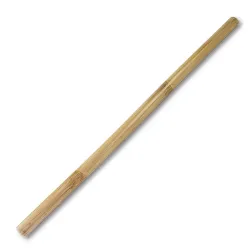
Escrima sticks, also known by various names such as Eskrima sticks, Kali sticks, and Arnis sticks, are a quintessential component of Filipino martial arts. Widely regarded as the weapon of choice for those training in stick fighting, these versatile tools are fundamental in styles like Eskrima, Kali, and Arnis. While to the untrained eye, these may appear to be simple sticks, practitioners know that mastering the art of using them requires exceptional skill and precision. Whether for self-defense, sport, or as part of a comprehensive martial arts system, escrima sticks are indispensable to the Filipino martial arts tradition.
The Origins of Filipino Martial Arts
Filipino martial arts, including Eskrima, Kali, and Arnis, are steeped in centuries of history. The Philippines, being an archipelago with a long history of indigenous warfare and colonial encounters, developed these martial arts as practical tools for both unarmed and armed combat. While the exact origins of these arts remain debated, many historians believe that they were developed over hundreds of years to aid in personal defense, particularly against invaders such as the Spanish colonizers. The term "escrima" itself is derived from the Spanish word "esgrima," meaning fencing or swordsmanship, which highlights the dual influence of European martial traditions and indigenous Filipino methods of warfare.
Kali, Arnis, and Eskrima: What's the Difference?
Escrima, Kali, and Arnis are often used interchangeably, though they have nuances in their application and focus. Kali is widely regarded as the most ancient form of Filipino martial arts, focusing on a broad range of weapons, including sticks, knives, swords, and even improvised tools. Arnis, which is sometimes considered a derivative of Kali, emphasizes stick fighting and unarmed combat. Eskrima, which also shares roots with Kali and Arnis, focuses heavily on the use of sticks for self-defense and combat. Regardless of the specific style, these arts share common principles and techniques, such as angles of attack, footwork, and timing, making the mastery of escrima sticks crucial for proficiency in any of these systems.
Escrima Sticks in Real-World Combat
Historically, escrima sticks were used not just in formal martial arts training but in real-world combat scenarios. In the Philippines, warriors would often carry sticks as part of their daily attire, as they were practical for self-defense, especially in areas where firearms were unavailable or restricted. The design of the sticks themselves reflects the need for mobility and effectiveness in a variety of situations. The sticks are typically around 28 to 30 inches in length, designed to be light enough to carry but long enough to deliver powerful strikes. They were used both as a tool for defense against bladed weapons and as a weapon for attacking an opponent in close quarters. The ability to quickly switch between offensive and defensive movements is a key aspect of using escrima sticks effectively, and it is this balance of speed, control, and versatility that makes them so effective in combat.
Why Escrima Sticks Are Still Trained Today
The versatility of escrima sticks is one of the primary reasons why they remain popular in modern martial arts. Despite the advent of firearms and other modern weaponry, many Filipino martial artists continue to train with escrima sticks as a way of preserving traditional combat skills. These sticks are seen as an excellent training tool because they can simulate the dynamics of combat with a variety of other weapons, all while remaining less dangerous than using actual swords or knives. The importance of training with sticks in Filipino martial arts cannot be overstated, as it is often said that mastering the stick provides the foundation for mastering the sword, knife, and even empty-handed techniques.
Materials and Construction
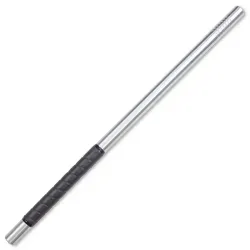
Escrima sticks are typically made from lightweight, durable materials like rattan and waxwood, both of which offer a combination of flexibility and strength. Rattan, in particular, is favored for its ability to absorb shock without splintering, making it ideal for both training and sparring. Waxwood, which is denser and harder than rattan, is also a common choice for those who prefer a more solid feel in their weapon. While traditional materials like rattan and waxwood are still widely used, modern variations of escrima sticks are available in materials like aluminum, thermoplastic, and steel, offering greater durability and versatility in certain training scenarios. Aluminum sticks, for example, are often used for outdoor training, as they are less susceptible to environmental damage, while thermoplastic sticks are prized for their lightweight nature and ability to withstand impact.
How Escrima Stick Training Works
Training with escrima sticks goes beyond simply learning how to swing them. Advanced practitioners engage in a variety of drills designed to improve timing, reaction speed, and the ability to defend against different attacks. The "flow" of stick fighting is a critical concept in Eskrima and Kali, where the practitioner continuously switches between offensive and defensive maneuvers. Techniques such as "redondo" (a circular strike), "abierta" (an open strike), and "thrusts" are integral parts of the arsenal that can be used with escrima sticks to defend against or overwhelm an opponent. These techniques are often performed in specific patterns or "combinations" that help practitioners internalize the movements and responses required during real combat situations.
The application of escrima sticks extends beyond the individual and into a wider community of martial artists who practice these traditional Filipino arts. At KarateMart.com, we understand the importance of providing high-quality escrima sticks for practitioners at all levels. Whether you're a beginner looking to start your journey in Kali or Arnis, or an experienced Eskrima practitioner searching for top-notch sparring equipment, our selection includes a wide range of sticks made from both traditional and modern materials. Our goal is to ensure that you have the right tools to refine your technique and elevate your practice.
Escrima in Modern Training and Competition
The use of escrima sticks is not limited to martial arts training; these weapons have found their way into various forms of competition and even self-defense scenarios. In many Filipino martial arts schools around the world, sparring with sticks is a common and essential practice, allowing students to simulate combat in a controlled environment. Competitive events, such as tournaments and exhibitions, often feature escrima stick fighting as a showcase of skill, agility, and strategy. These events highlight the importance of maintaining control over one's weapon while simultaneously adapting to an opponent's movements. The versatility of the stick, as both a defensive and offensive tool, plays a critical role in these events.
The Cultural Significance of Escrima
For those interested in learning more about Filipino martial arts and the use of escrima sticks, it is important to recognize the deep cultural and historical significance of these arts. Kali, Eskrima, and Arnis are not just martial arts - they are expressions of Filipino heritage, passed down through generations. Each movement and technique holds a story, reflecting the resilience and ingenuity of the Filipino people. By practicing with escrima sticks, you're not only improving your own combat abilities, but you're also connecting with a rich tradition that spans centuries.
What Martial Arts Use Escrima Sticks?
Escrima sticks are most closely associated with the Filipino martial arts, which include systems such as Arnis, Kali, and Eskrima. These arts are built around weapons-based training, and the stick is often the first tool students learn. From there, the same movements and principles transfer to knives, empty-hand techniques, and improvised weapons.
In these systems, the stick is not treated as a separate specialty. It is the foundation. Students learn angles of attack, timing, footwork, and defensive structure through stick drills that directly translate into real-world application. This is why escrima training is often described as "weapons-first" martial arts. The stick teaches distance, awareness, and control from the very beginning.
Beyond Filipino styles, escrima sticks are also used in cross-training for law enforcement, military, and self-defense programs. Their simplicity makes them ideal for learning striking mechanics and coordination. Whether in a traditional dojo or a modern training gym, these sticks remain one of the most practical tools for understanding weapon-based movement.
What Is the Typical Length and Material of Escrima Sticks?
Most escrima sticks fall between 26 and 28 inches in length, which roughly matches the distance from a person's wrist to their armpit. This size offers a balanced reach that works well for striking, blocking, and flowing drills without feeling unwieldy. Shorter sticks are sometimes used for close-range training, while longer ones may be preferred for demonstration or specific styles, but the mid-20 inch range is the standard for everyday practice.
The most traditional material is rattan, a lightweight, fibrous wood that absorbs impact without shattering. Rattan is popular because it dents and frays instead of splintering sharply, making it safer for contact training. Its slight flex also reduces shock to the hands and arms during repeated stick-on-stick drills.
Other materials include hardwoods, waxwood, and synthetic options. Hardwood and waxwood sticks are denser and more rigid, offering a heavier feel and longer lifespan, but they transfer more impact. Synthetic sticks provide consistent weight and durability with minimal maintenance. Each material changes how the stick feels in motion, which is why many practitioners experiment to find what best suits their training style.
How Do I Choose the Right Pair of Escrima Sticks?
The best escrima sticks for you depend on how you train and what your instructor recommends. For beginners, lightweight rattan sticks are usually the ideal starting point. They are forgiving on the hands and arms, absorb impact well, and are the standard in most Filipino martial arts schools. Their balance makes it easier to learn angles, timing, and flow without fighting the weight of the weapon.
More experienced practitioners often explore different materials to match their goals. Hardwood or waxwood sticks feel denser and hit harder, which can be useful for conditioning and power development. Synthetic sticks offer consistency and durability for high-volume training. Length can also be adjusted slightly based on arm span or style preference, but staying close to the traditional 26-28 inch range keeps your training aligned with most curricula.
If your school specifies a certain type, follow that guidance first. Consistency within a class matters, especially during partner drills. If you are training on your own, start with rattan and branch out once you understand how different weights and materials affect your movement and control.
Can Escrima Sticks Be Used for Self-Defense?
Escrima sticks are primarily training tools, but the systems that use them are built around real-world application. In Filipino martial arts, the stick represents a wide range of potential weapons, from batons and clubs to improvised objects like flashlights, pipes, or even rolled magazines. The goal of training is not just to swing a stick, but to develop timing, distance control, and awareness that transfer to many situations.
In practice, escrima teaches how to defend against and use impact-style weapons through structured drills and controlled sparring. Students learn how to strike, block, redirect, and flow between offense and defense. Those skills carry over to empty-hand self-defense and to everyday objects that can be used to create space or deter an attacker.
That said, escrima sticks sold for training are not intended to be carried as defensive weapons in public. Their value lies in what they teach rather than how they are used outside the gym. The true self-defense benefit comes from the movement, coordination, and situational awareness developed through practice, not from treating the training stick itself as a carry item.
What Are the Differences Between Rattan, Hardwood, and Synthetic Escrima Sticks?
Rattan is the most traditional and widely used material for escrima sticks. It is lightweight, slightly flexible, and absorbs impact well during stick-on-stick contact. Instead of splintering sharply, rattan tends to fray and dent over time, which makes it safer for partner drills. This forgiving nature is why most schools recommend rattan for beginners and regular class use.
Hardwood and waxwood sticks are denser and heavier. They offer a solid, authoritative feel and are often chosen for conditioning, power development, or demonstration. Because they transfer more shock through the arms, they can be fatiguing during long sessions and are usually reserved for more experienced practitioners. Their durability is higher, but so is the impact they deliver.
Synthetic sticks are designed for consistency and longevity. They resist moisture, cracking, and wear, making them ideal for high-volume training or outdoor use. While they lack the organic feel of natural wood, they maintain the same weight and balance over time. Each material changes how the stick behaves, which is why many practitioners keep multiple sets for different types of practice.
What's the Difference Between an Escrima Stick and a Kali Stick?
In most cases, there is no physical difference at all. "Escrima stick," "Kali stick," and "Arnis stick" are different names for the same training tool. The terms come from the three major names used for Filipino martial arts: Eskrima, Kali, and Arnis. Each name reflects regional, cultural, or lineage-based preferences rather than a change in equipment.
Some schools favor one term over another to reflect their heritage or philosophy. A system that identifies as Kali may refer to the weapons as Kali sticks, while an Arnis school may call them Arnis sticks. Despite the label, the sticks themselves are typically the same length, material, and shape. They are straight, cylindrical training batons used for striking, blocking, and flow drills.
For students and buyers, the name is far less important than the quality and feel of the stick. Whether it is called escrima, kali, or arnis, it serves the same purpose: teaching weapon movement, timing, and control. The terminology reflects tradition, not function.
Are Escrima Sticks Always Used in Pairs?
Escrima sticks are often associated with dual-stick training, but they are not always used in pairs. Many Filipino martial arts systems begin with single-stick drills to teach basic angles of attack, footwork, timing, and defensive structure. Working with one stick allows students to focus on precision and control before adding complexity.
As training progresses, practitioners commonly move into double-stick work. Using two sticks develops coordination, ambidexterity, and fluid movement between hands. This phase of training teaches how to alternate strikes, create continuous motion, and manage multiple lines of attack. Dual-stick drills are visually striking and form a major part of many Eskrima and Kali curriculums, which is why the image of paired sticks is so well known.
Both approaches are fundamental to the art. Single-stick training builds strong foundations, while double-stick work expands coordination and flow. Most practitioners own pairs of sticks even if they spend significant time training with just one, because the art is built around the ability to transition smoothly between both methods.