





Martial Arts Weapon Patches
-
 🔍︎ QUICK VIEW
-
 🔍︎ QUICK VIEW
-
 🔍︎ QUICK VIEW
-
 🔍︎ QUICK VIEW
-
 🔍︎ QUICK VIEW
-
 🔍︎ QUICK VIEW
$4.95
🔍︎ QUICK VIEW
$4.95 -
 🔍︎ QUICK VIEW
-
 🔍︎ QUICK VIEW
$3.95
🔍︎ QUICK VIEW
$3.95 -
 🔍︎ QUICK VIEW
-
 🔍︎ QUICK VIEW
-
 🔍︎ QUICK VIEW
-
 🔍︎ QUICK VIEW
-
 🔍︎ QUICK VIEW
-
 🔍︎ QUICK VIEW
$3.95
🔍︎ QUICK VIEW
$3.95
 (1)
(1)Martial Arts Weapon Patches
If you've spent hours mastering the nunchaku, perfecting your bo staff kata, or drilling disarms with a training knife, you've earned the right to show that off. That's where martial arts weapon patches come in. These aren't just for decoration. They're a mark of dedication. A visual cue that tells your training partners and instructors you've put in the work. Whether you're a karate student who's leveled up in weapons training or an instructor looking to reward progress, these weapon patches make it clear which tools of the trade you've been sharpening your skills on.
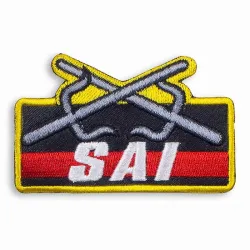
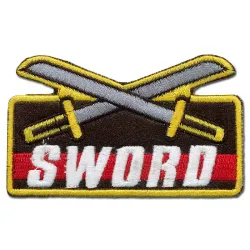
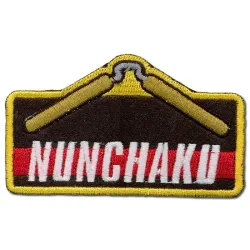
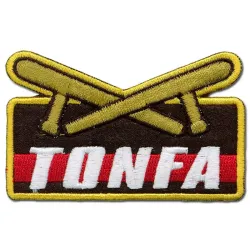
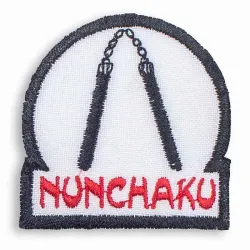
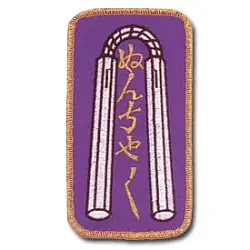
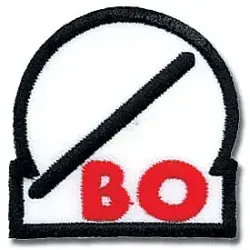
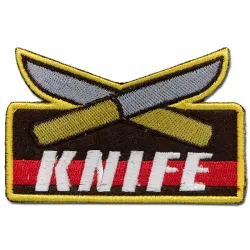
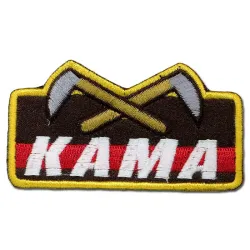
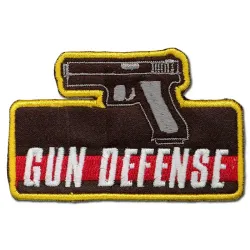
At KarateMart.com, we've got a solid lineup of martial arts weapon patches to choose from, and we're not talking generic designs. Each patch is specific to a weapon, so if you've been training in kali or escrima and want a patch that actually represents stick fighting, the escrima patch or kali patch is exactly what you need. Got a student who just tested with a sai kata? Grab a sai patch. We've got the full arsenal represented here: sword patch, katana patch, tonfa patch, kama patch, bo staff patch, martial arts knife patch, nunchaku patch, and even a gun defense patch for those training in modern self-defense scenarios. These aren't gimmicky, they're designed for martial artists by people who actually train.
Weapon skill patches have become a staple in many dojos and training halls across different styles. Traditional karate systems often include weapons like bo, sai, tonfa, and kama as part of their kobudo curriculum. Instructors will frequently award karate weapon patches when a student reaches a new level of proficiency. It's not always tied to rank, either. Sometimes it's about recognizing time spent, effort shown, or just making sure students stay motivated through long-term weapons training. For modern systems like Krav Maga or other reality-based self-defense programs, patches like the gun defense patch can be used to track and display progress in disarm techniques and situational training. It's a smart way to reinforce that these are skills worth developing.
The great thing about these patches is they're flexible. Some martial arts schools like to iron them directly onto the student's gi or uniform, especially for kids or beginner ranks. Others prefer sew-on patches for a more permanent, polished look. On KarateMart.com, we make sure each product description tells you if it's an iron-on or sew-on patch, so you know exactly what you're getting before you hit that checkout button. Either way, they hold up well and add a professional touch to your uniform. Plus, they make a great conversation starter at tournaments or seminars.
For schools that teach a broad curriculum, weapon patches also help visually organize student progress. Let's say you've got a class where you rotate between weapons every couple of months; nunchaku one season, bo staff the next. By awarding a weapons training patch at the end of each rotation, students stay focused and have something tangible to show for it. Parents love it, too. It gives younger students something to work toward, and it builds confidence when they can point to their gi and say, "Yeah, I earned that."
Even outside the dojo, patches for martial arts weapons training are popular with collectors and enthusiasts. If you're someone who trains at home or informally, these patches can still represent personal goals and milestones. Hang them on your gear bag, display them in your home gym, or add them to your collection alongside belt promotions and tournament medals. They look awesome, but more importantly, they mean something to people who train.
We've seen schools get really creative with how they use weapon skill patches. Some do systems where students need to pass a specific test for each weapon, almost like a mini black belt test. Others give out a katana patch or sword patch after completing an intensive seminar on Japanese weapons. In Filipino martial arts programs, the escrima patch or kali patch might come after a full cycle of sinawali, striking patterns, and disarm drills. It adds structure and motivation, especially in systems where weapons aren't tied to belt ranks.
And yeah, let's talk about quality. We've sourced patches that are clean, bold, and built to last. No blurry embroidery or cheap designs here. These are patches you'll actually want to wear. They pop on any uniform, whether you're rocking a black gi or a traditional white one. If you're an instructor, stocking up on these makes your life easier. They're affordable, easy to store, and always appreciated by students.
At the end of the day, martial arts weapon patches are a smart way to recognize progress, build community, and keep training fun. They represent sweat, time, and precision. Whether you're looking for a tonfa patch for your advanced weapons class, a kama patch for a demo team, or just want to collect a few for your own training bag, you'll find what you need here. We've got the inventory, we've got the variety, and we know what these patches actually mean to martial artists. If you train, you get it. And if you don't yet, well... maybe it's time to pick up a staff.
Martial arts weapon patches are used to recognize training, skill development, and achievement with specific weapons. They serve as a visual indicator that a student has spent time learning and practicing a particular weapon, such as nunchaku, bo staff, sai, or tonfa. In many schools, these patches help track progress outside of standard belt rankings and give students something tangible to work toward.
Weapon patches are usually separate from belt rank. While belt promotions measure overall progress in a martial art, weapon patches often recognize proficiency with a specific weapon. Some schools award them after a test, seminar, or completed training cycle, while others use them to mark long-term dedication or consistent practice. This flexibility makes weapon patches useful across many teaching styles.
Weapon skill patches are commonly used in karate systems that include kobudo training, as well as Filipino martial arts like kali and escrima. They are also used in modern self-defense programs, such as Krav Maga, to track progress in weapons defense or disarm training. Any school that teaches multiple weapons or specialized tools can benefit from using weapon patches as part of its curriculum.
That depends on how the patch will be used. Iron-on patches are quick and convenient, making them a popular choice for kids programs or temporary placement. Sew-on patches offer a more permanent and polished look and are often preferred for long-term uniforms or instructor use. Each product description clearly states whether a patch is iron-on or sew-on so you can choose what works best for your needs.
Schools award weapon training patches in a variety of ways. Some require students to pass a formal test for each weapon, while others give patches at the end of a training rotation or seminar. Instructors may also award them to recognize effort, consistency, or improvement over time. There is no single rule, which allows each school to tailor patch awards to its teaching style.
Yes, many students and instructors wear multiple weapon patches on the same uniform. This is especially common in programs where students train with several weapons over time. As long as the placement follows your school's guidelines, displaying multiple patches can be a great way to show the range of weapons you have trained with and mastered.
Placement varies by school, but common locations include the upper arm, chest, or lower jacket area of a gi. Some schools designate specific areas for weapon patches to keep uniforms consistent, while others allow more flexibility. It's always a good idea to check with your instructor before attaching patches to make sure they meet school standards.
Yes, weapon patches are often used to mark completion of seminars, workshops, or special training events. Schools may award a sword patch, kali patch, or other weapon-specific patch after an intensive class or guest instructor seminar. This makes the patch a meaningful reminder of the experience and the skills learned during that event.
Weapon-Specific Patches for Serious Martial Artists
At KarateMart.com, we've got a solid lineup of martial arts weapon patches to choose from, and we're not talking generic designs. Each patch is specific to a weapon, so if you've been training in kali or escrima and want a patch that actually represents stick fighting, the escrima patch or kali patch is exactly what you need. Got a student who just tested with a sai kata? Grab a sai patch. We've got the full arsenal represented here: sword patch, katana patch, tonfa patch, kama patch, bo staff patch, martial arts knife patch, nunchaku patch, and even a gun defense patch for those training in modern self-defense scenarios. These aren't gimmicky, they're designed for martial artists by people who actually train.
How Schools and Instructors Use Weapon Skill Patches
Weapon skill patches have become a staple in many dojos and training halls across different styles. Traditional karate systems often include weapons like bo, sai, tonfa, and kama as part of their kobudo curriculum. Instructors will frequently award karate weapon patches when a student reaches a new level of proficiency. It's not always tied to rank, either. Sometimes it's about recognizing time spent, effort shown, or just making sure students stay motivated through long-term weapons training. For modern systems like Krav Maga or other reality-based self-defense programs, patches like the gun defense patch can be used to track and display progress in disarm techniques and situational training. It's a smart way to reinforce that these are skills worth developing.
Iron-On or Sew-On Options for Any Uniform
The great thing about these patches is they're flexible. Some martial arts schools like to iron them directly onto the student's gi or uniform, especially for kids or beginner ranks. Others prefer sew-on patches for a more permanent, polished look. On KarateMart.com, we make sure each product description tells you if it's an iron-on or sew-on patch, so you know exactly what you're getting before you hit that checkout button. Either way, they hold up well and add a professional touch to your uniform. Plus, they make a great conversation starter at tournaments or seminars.
Tracking Progress and Motivation in Weapons Training
For schools that teach a broad curriculum, weapon patches also help visually organize student progress. Let's say you've got a class where you rotate between weapons every couple of months; nunchaku one season, bo staff the next. By awarding a weapons training patch at the end of each rotation, students stay focused and have something tangible to show for it. Parents love it, too. It gives younger students something to work toward, and it builds confidence when they can point to their gi and say, "Yeah, I earned that."
Weapon Patches for Collectors and Independent Training
Even outside the dojo, patches for martial arts weapons training are popular with collectors and enthusiasts. If you're someone who trains at home or informally, these patches can still represent personal goals and milestones. Hang them on your gear bag, display them in your home gym, or add them to your collection alongside belt promotions and tournament medals. They look awesome, but more importantly, they mean something to people who train.
Creative Ways Schools Use Weapon Skill Patches
We've seen schools get really creative with how they use weapon skill patches. Some do systems where students need to pass a specific test for each weapon, almost like a mini black belt test. Others give out a katana patch or sword patch after completing an intensive seminar on Japanese weapons. In Filipino martial arts programs, the escrima patch or kali patch might come after a full cycle of sinawali, striking patterns, and disarm drills. It adds structure and motivation, especially in systems where weapons aren't tied to belt ranks.
Quality Patches Built to Be Worn
And yeah, let's talk about quality. We've sourced patches that are clean, bold, and built to last. No blurry embroidery or cheap designs here. These are patches you'll actually want to wear. They pop on any uniform, whether you're rocking a black gi or a traditional white one. If you're an instructor, stocking up on these makes your life easier. They're affordable, easy to store, and always appreciated by students.
Why Martial Arts Weapon Patches Matter
At the end of the day, martial arts weapon patches are a smart way to recognize progress, build community, and keep training fun. They represent sweat, time, and precision. Whether you're looking for a tonfa patch for your advanced weapons class, a kama patch for a demo team, or just want to collect a few for your own training bag, you'll find what you need here. We've got the inventory, we've got the variety, and we know what these patches actually mean to martial artists. If you train, you get it. And if you don't yet, well... maybe it's time to pick up a staff.
What Are Martial Arts Weapon Patches Used For?
Martial arts weapon patches are used to recognize training, skill development, and achievement with specific weapons. They serve as a visual indicator that a student has spent time learning and practicing a particular weapon, such as nunchaku, bo staff, sai, or tonfa. In many schools, these patches help track progress outside of standard belt rankings and give students something tangible to work toward.
Are Weapon Patches Tied to Belt Rank or Separate Achievements?
Weapon patches are usually separate from belt rank. While belt promotions measure overall progress in a martial art, weapon patches often recognize proficiency with a specific weapon. Some schools award them after a test, seminar, or completed training cycle, while others use them to mark long-term dedication or consistent practice. This flexibility makes weapon patches useful across many teaching styles.
Which Martial Arts Commonly Use Weapon Skill Patches?
Weapon skill patches are commonly used in karate systems that include kobudo training, as well as Filipino martial arts like kali and escrima. They are also used in modern self-defense programs, such as Krav Maga, to track progress in weapons defense or disarm training. Any school that teaches multiple weapons or specialized tools can benefit from using weapon patches as part of its curriculum.
Should I Choose Iron-On or Sew-On Weapon Patches?
That depends on how the patch will be used. Iron-on patches are quick and convenient, making them a popular choice for kids programs or temporary placement. Sew-on patches offer a more permanent and polished look and are often preferred for long-term uniforms or instructor use. Each product description clearly states whether a patch is iron-on or sew-on so you can choose what works best for your needs.
How Do Schools Usually Award Weapon Training Patches?
Schools award weapon training patches in a variety of ways. Some require students to pass a formal test for each weapon, while others give patches at the end of a training rotation or seminar. Instructors may also award them to recognize effort, consistency, or improvement over time. There is no single rule, which allows each school to tailor patch awards to its teaching style.
Can I Wear Multiple Weapon Patches on the Same Uniform?
Yes, many students and instructors wear multiple weapon patches on the same uniform. This is especially common in programs where students train with several weapons over time. As long as the placement follows your school's guidelines, displaying multiple patches can be a great way to show the range of weapons you have trained with and mastered.
Where Should Weapon Patches Be Placed on a Gi or Uniform?
Placement varies by school, but common locations include the upper arm, chest, or lower jacket area of a gi. Some schools designate specific areas for weapon patches to keep uniforms consistent, while others allow more flexibility. It's always a good idea to check with your instructor before attaching patches to make sure they meet school standards.
Can I Use Weapon Patches for Seminars or Special Training Events?
Yes, weapon patches are often used to mark completion of seminars, workshops, or special training events. Schools may award a sword patch, kali patch, or other weapon-specific patch after an intensive class or guest instructor seminar. This makes the patch a meaningful reminder of the experience and the skills learned during that event.