





Kung Fu Uniforms
-
 🔍︎ QUICK VIEW
$12.95
🔍︎ QUICK VIEW
$12.95 -
 🔍︎ QUICK VIEW
-
 🔍︎ QUICK VIEW
From $39.95
🔍︎ QUICK VIEW
From $39.95 -
 🔍︎ QUICK VIEW
From $52.95
🔍︎ QUICK VIEW
From $52.95
 (2)
(2)Kung Fu Uniforms
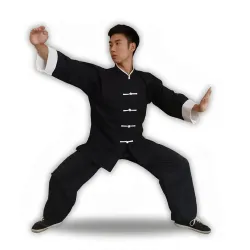
At KarateMart.com, we proudly offer an extensive selection of kung fu uniforms designed to meet the needs of martial artists practicing a variety of Chinese disciplines. Unlike other martial arts uniforms, such as the traditional karate gi, a kung fu uniform stands out with its distinctive "frog" button closures and constricted ankle pants. These unique features are not just stylistic - they serve a functional purpose, allowing for the fluidity and flexibility required in kung fu movements. Whether you're executing high kicks, rapid strikes, or intricate forms, the kung fu outfit ensures unrestricted motion, making it an ideal choice for practitioners who prioritize agility and grace.
The origins of the kung fu suit trace back to traditional Chinese clothing, adapted over centuries to suit the demands of martial arts training. Kung fu, a term encompassing a wide range of Chinese fighting styles, emphasizes flowing techniques and dynamic footwork, which is why the kung fu gi's lightweight, loose-fitting design has become a staple. This contrasts with the karate gi, which is typically stiffer and heavier, tailored for the linear, powerful movements of Japanese karate.
Similarly, practitioners of Tai Chi and Wing Chun (two other prominent Chinese martial arts) favor kung fu uniforms for their adaptability. Tai Chi, known for its slow, meditative forms, benefits from the tai chi uniform's breathable fabrics, while Wing Chun's close-quarters combat aligns perfectly with the outfit's snug yet flexible fit.
Our selection at KarateMart includes a variety of kung fu outfits to suit every preference, from traditional black cotton designs to vibrant silk options in multiple colors. The kung fu uniform's popularity has soared beyond the dojo, thanks in part to its iconic presence in martial arts cinema. Films featuring legends like Bruce Lee and Jackie Chan have showcased the kung fu suit's sleek silhouette, turning it into a symbol of martial arts culture. Whether you're a beginner looking for your first kungfu uniform or an experienced martial artist seeking a high-quality tai chi uniform, we have options that blend tradition with modern craftsmanship at unbeatable prices.
What sets the kung fu gi apart is its versatility across different styles and practices. Tai Chi uniforms, for instance, are often made from soft, flowing materials like silk or cotton blends, enhancing the meditative experience of this internal martial art. Meanwhile, Wing Chun practitioners might opt for a kungfu gi with a slightly more tailored fit to complement the art's emphasis on precision and economy of movement. Unlike the thick belts and rigid structure of a karate uniform, the kung fu outfit's minimalist design avoids unnecessary bulk, ensuring that every twist, turn, and strike feels natural. This adaptability has made kungfu uniforms a go-to choice for martial artists who value both form and function.
At KarateMart.com, we understand that choosing the right kung fu suit can elevate your training experience. That's why we offer an expansive range of styles, colors, and materials to match your unique needs. Our commitment to quality means every kungfu uniform is crafted to withstand the rigors of training while maintaining its traditional aesthetic. Plus, with sizes ranging from youth to adult, you'll find the perfect fit for your next class or performance.
If you're unsure which kung fu uniform is right for your practice, our knowledgeable customer service team is here to help. You can reach us at 1-800-977-6928 with any questions about our kung fu outfits, tai chi uniforms, or other products. Our goal is to ensure you feel confident and comfortable in your kungfu gi, whether you're practicing kung fu, Tai Chi, or Wing Chun. With fast shipping and competitive pricing, KarateMart.com is your one-stop shop for authentic, high-quality kung fu suits that honor the rich heritage of Chinese martial arts.
Kung fu uniforms are designed with movement and flow in mind. Compared to karate or judo gis, which are typically heavier and more structured, kung fu outfits are usually lighter, looser, and more flexible. The fabric and cut allow for wide stances, high kicks, spinning movements, and deep bends without restriction. This makes them especially well suited for the fluid, circular motions found in many Chinese martial arts styles.
Another major difference is construction. Traditional kung fu uniforms often use frog buttons instead of overlapping lapels, and many pants feature elastic cuffs at the ankles. These details help keep the uniform secure during fast footwork while maintaining a clean, traditional look. Karate and judo uniforms, by contrast, are built around a wrap-style jacket and thick cotton designed to withstand gripping and throwing.
Visually, kung fu uniforms reflect Chinese cultural heritage more directly. They are commonly seen in black, white, or vibrant colors with satin finishes, embroidery, or contrasting trim. While a karate gi is meant to be plain and uniform across students, kung fu attire often allows more expression of style, tradition, and personality, especially in demonstration or performance settings.
For beginners, the most important factors are comfort, durability, and how the uniform feels when you move. Kung fu training often involves deep stances, wide steps, and flowing motions, so your uniform should feel light and unrestricted. A suit that is too stiff or tight can pull at the shoulders, bind at the knees, or distract you during practice.
Material plays a big role. Cotton blends are breathable and comfortable for daily training, while satin or silk-style fabrics are smoother and often chosen for forms, demonstrations, or performance. If your school trains hard and sweats a lot, a simple cotton uniform is usually the most practical starting point. It washes easily and holds up well to repeated use.
It is also worth asking your instructor if your school has specific requirements. Some schools prefer traditional black training suits, while others allow a range of colors or styles. Starting with a simple, classic design keeps things easy and ensures your uniform fits in with your class while you focus on learning the fundamentals.
A kung fu uniform should feel loose and natural the moment you put it on. It is not meant to cling to the body or move like athletic compression wear. Instead, it should drape comfortably, giving you room to sink into low stances, step wide, and rotate freely through turns and spins. When you raise your arms or lift a knee, the fabric should move with you rather than pulling tight across your shoulders or hips.
The jacket should sit flat across the chest without gapping or riding up, and the sleeves should allow full arm extension without binding at the elbows. Pants should rest comfortably at the waist and provide enough room through the thighs and knees for deep bends. Many kung fu pants use elastic cuffs at the ankles, which keep the legs from flaring out while still allowing unrestricted movement.
A good fit feels almost unnoticeable during practice. You should not be thinking about your uniform while training. If it stays in place, breathes well, and never limits your range of motion, it is doing its job. The right fit lets you focus entirely on technique, balance, and flow.
Proper care keeps your kung fu uniform looking sharp and feeling comfortable over time. Most cotton and cotton-blend training suits can be machine washed in cold water with mild detergent. Washing in cold helps prevent shrinking and preserves color, especially for black or brightly dyed uniforms. Turning the uniform inside out before washing can also reduce wear on buttons, trim, and stitching.
Satin or silk-style uniforms should be treated more gently. These are often worn for forms, demonstrations, or performances and benefit from hand washing or a delicate machine cycle. Avoid high heat when drying, as it can damage the fabric and cause warping or sheen loss. Air drying is the safest option for all styles and helps extend the life of the garment.
After training, it is best not to leave a damp uniform sitting in a bag. Let it air out as soon as possible to prevent odor and mildew. A little routine care goes a long way, keeping your uniform clean, comfortable, and ready for every class.
Yes, kung fu uniforms are commonly worn for both Tai Chi and Wing Chun, especially in traditional schools. These styles share roots in Chinese martial arts, and the clothing reflects that heritage. The loose fit, lightweight fabric, and simple construction of a kung fu uniform work well for the slow, controlled movements of Tai Chi as well as the close-range techniques of Wing Chun.
For Tai Chi, many practitioners prefer soft, flowing outfits that allow the body to move freely without resistance. A standard kung fu suit provides that freedom while maintaining a traditional appearance. Some schools opt for dedicated Tai Chi outfits made from silk or satin, but functionally, a kung fu uniform performs the same role during practice.
Wing Chun classes often use simple black training suits or plain kung fu uniforms because they are durable and unobtrusive. The emphasis in Wing Chun is on structure, balance, and economy of motion, and a lightweight uniform supports that by staying out of the way. As always, it is a good idea to ask your instructor about any specific dress requirements, but in most cases, a kung fu uniform is perfectly appropriate for both arts.
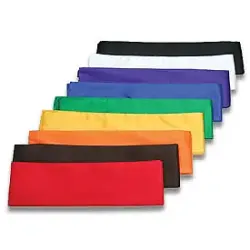
Most kung fu uniforms are designed to be worn as complete outfits on their own, but a few simple accessories can make training more comfortable and complete. Sashes are commonly used in many schools to indicate rank or affiliation, and they also help secure the jacket during movement. If your school uses sashes, your instructor will usually specify the color and style you should wear.
Kung fu shoes are another common addition. They feature thin, flexible soles that allow you to feel the floor while maintaining traction during pivots and stances. While many beginners train barefoot or in regular athletic shoes, dedicated kung fu footwear provides better control and helps preserve the traditional look and feel of the art.
Some students also use undershirts for comfort or sweat management, especially during longer classes. Beyond that, accessories are minimal by design. Kung fu attire is meant to be clean and uncomplicated, keeping attention on movement, posture, and technique rather than on gear.
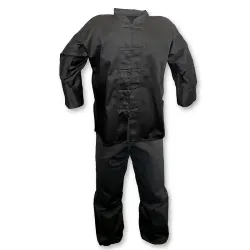
Frog buttons are a hallmark of traditional Chinese clothing, and their use on kung fu uniforms reflects that heritage. Unlike overlapping lapels or tied closures, frog buttons lie flat against the chest and stay secure during movement. This prevents the jacket from shifting or opening while training, especially during turns, kicks, and rapid transitions. They also eliminate loose fabric that could be grabbed or become distracting during practice.
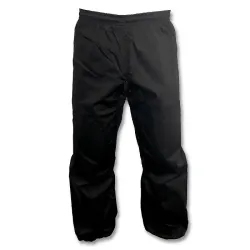
Elastic cuffs on the pants serve a practical purpose as well. Kung fu training often involves wide stances, sweeping footwork, and fast directional changes. Cuffs keep the pant legs from flaring outward or dragging on the floor, which helps prevent tripping and keeps the fabric from interfering with footwork. They allow freedom of motion while maintaining a clean, controlled silhouette.
Together, these features balance tradition and function. Frog buttons preserve the cultural identity of Chinese martial arts attire, while elastic cuffs enhance safety and performance. The result is a uniform that stays in place, moves naturally with the body, and supports the demands of kung fu training without unnecessary distraction.
The Origins of the Kung Fu Suit
The origins of the kung fu suit trace back to traditional Chinese clothing, adapted over centuries to suit the demands of martial arts training. Kung fu, a term encompassing a wide range of Chinese fighting styles, emphasizes flowing techniques and dynamic footwork, which is why the kung fu gi's lightweight, loose-fitting design has become a staple. This contrasts with the karate gi, which is typically stiffer and heavier, tailored for the linear, powerful movements of Japanese karate.
Kung Fu Uniforms for Tai Chi and Wing Chun
Similarly, practitioners of Tai Chi and Wing Chun (two other prominent Chinese martial arts) favor kung fu uniforms for their adaptability. Tai Chi, known for its slow, meditative forms, benefits from the tai chi uniform's breathable fabrics, while Wing Chun's close-quarters combat aligns perfectly with the outfit's snug yet flexible fit.
Styles, Materials, and Cultural Influence
Our selection at KarateMart includes a variety of kung fu outfits to suit every preference, from traditional black cotton designs to vibrant silk options in multiple colors. The kung fu uniform's popularity has soared beyond the dojo, thanks in part to its iconic presence in martial arts cinema. Films featuring legends like Bruce Lee and Jackie Chan have showcased the kung fu suit's sleek silhouette, turning it into a symbol of martial arts culture. Whether you're a beginner looking for your first kungfu uniform or an experienced martial artist seeking a high-quality tai chi uniform, we have options that blend tradition with modern craftsmanship at unbeatable prices.
Versatility Across Martial Arts Styles
What sets the kung fu gi apart is its versatility across different styles and practices. Tai Chi uniforms, for instance, are often made from soft, flowing materials like silk or cotton blends, enhancing the meditative experience of this internal martial art. Meanwhile, Wing Chun practitioners might opt for a kungfu gi with a slightly more tailored fit to complement the art's emphasis on precision and economy of movement. Unlike the thick belts and rigid structure of a karate uniform, the kung fu outfit's minimalist design avoids unnecessary bulk, ensuring that every twist, turn, and strike feels natural. This adaptability has made kungfu uniforms a go-to choice for martial artists who value both form and function.
Finding the Right Kung Fu Uniform
At KarateMart.com, we understand that choosing the right kung fu suit can elevate your training experience. That's why we offer an expansive range of styles, colors, and materials to match your unique needs. Our commitment to quality means every kungfu uniform is crafted to withstand the rigors of training while maintaining its traditional aesthetic. Plus, with sizes ranging from youth to adult, you'll find the perfect fit for your next class or performance.
If you're unsure which kung fu uniform is right for your practice, our knowledgeable customer service team is here to help. You can reach us at 1-800-977-6928 with any questions about our kung fu outfits, tai chi uniforms, or other products. Our goal is to ensure you feel confident and comfortable in your kungfu gi, whether you're practicing kung fu, Tai Chi, or Wing Chun. With fast shipping and competitive pricing, KarateMart.com is your one-stop shop for authentic, high-quality kung fu suits that honor the rich heritage of Chinese martial arts.
What's the Difference Between a Kung Fu Uniform and Other Martial Arts Uniforms?
Kung fu uniforms are designed with movement and flow in mind. Compared to karate or judo gis, which are typically heavier and more structured, kung fu outfits are usually lighter, looser, and more flexible. The fabric and cut allow for wide stances, high kicks, spinning movements, and deep bends without restriction. This makes them especially well suited for the fluid, circular motions found in many Chinese martial arts styles.
Another major difference is construction. Traditional kung fu uniforms often use frog buttons instead of overlapping lapels, and many pants feature elastic cuffs at the ankles. These details help keep the uniform secure during fast footwork while maintaining a clean, traditional look. Karate and judo uniforms, by contrast, are built around a wrap-style jacket and thick cotton designed to withstand gripping and throwing.
Visually, kung fu uniforms reflect Chinese cultural heritage more directly. They are commonly seen in black, white, or vibrant colors with satin finishes, embroidery, or contrasting trim. While a karate gi is meant to be plain and uniform across students, kung fu attire often allows more expression of style, tradition, and personality, especially in demonstration or performance settings.
What Should I Consider When Choosing My First Kung Fu Uniform?
For beginners, the most important factors are comfort, durability, and how the uniform feels when you move. Kung fu training often involves deep stances, wide steps, and flowing motions, so your uniform should feel light and unrestricted. A suit that is too stiff or tight can pull at the shoulders, bind at the knees, or distract you during practice.
Material plays a big role. Cotton blends are breathable and comfortable for daily training, while satin or silk-style fabrics are smoother and often chosen for forms, demonstrations, or performance. If your school trains hard and sweats a lot, a simple cotton uniform is usually the most practical starting point. It washes easily and holds up well to repeated use.
It is also worth asking your instructor if your school has specific requirements. Some schools prefer traditional black training suits, while others allow a range of colors or styles. Starting with a simple, classic design keeps things easy and ensures your uniform fits in with your class while you focus on learning the fundamentals.
How Should a Kung Fu Uniform Fit for the Best Performance?
A kung fu uniform should feel loose and natural the moment you put it on. It is not meant to cling to the body or move like athletic compression wear. Instead, it should drape comfortably, giving you room to sink into low stances, step wide, and rotate freely through turns and spins. When you raise your arms or lift a knee, the fabric should move with you rather than pulling tight across your shoulders or hips.
The jacket should sit flat across the chest without gapping or riding up, and the sleeves should allow full arm extension without binding at the elbows. Pants should rest comfortably at the waist and provide enough room through the thighs and knees for deep bends. Many kung fu pants use elastic cuffs at the ankles, which keep the legs from flaring out while still allowing unrestricted movement.
A good fit feels almost unnoticeable during practice. You should not be thinking about your uniform while training. If it stays in place, breathes well, and never limits your range of motion, it is doing its job. The right fit lets you focus entirely on technique, balance, and flow.
How Should I Care for and Wash a Kung Fu Uniform?
Proper care keeps your kung fu uniform looking sharp and feeling comfortable over time. Most cotton and cotton-blend training suits can be machine washed in cold water with mild detergent. Washing in cold helps prevent shrinking and preserves color, especially for black or brightly dyed uniforms. Turning the uniform inside out before washing can also reduce wear on buttons, trim, and stitching.
Satin or silk-style uniforms should be treated more gently. These are often worn for forms, demonstrations, or performances and benefit from hand washing or a delicate machine cycle. Avoid high heat when drying, as it can damage the fabric and cause warping or sheen loss. Air drying is the safest option for all styles and helps extend the life of the garment.
After training, it is best not to leave a damp uniform sitting in a bag. Let it air out as soon as possible to prevent odor and mildew. A little routine care goes a long way, keeping your uniform clean, comfortable, and ready for every class.
Can I Wear a Kung Fu Uniform for Tai Chi or Wing Chun?
Yes, kung fu uniforms are commonly worn for both Tai Chi and Wing Chun, especially in traditional schools. These styles share roots in Chinese martial arts, and the clothing reflects that heritage. The loose fit, lightweight fabric, and simple construction of a kung fu uniform work well for the slow, controlled movements of Tai Chi as well as the close-range techniques of Wing Chun.
For Tai Chi, many practitioners prefer soft, flowing outfits that allow the body to move freely without resistance. A standard kung fu suit provides that freedom while maintaining a traditional appearance. Some schools opt for dedicated Tai Chi outfits made from silk or satin, but functionally, a kung fu uniform performs the same role during practice.
Wing Chun classes often use simple black training suits or plain kung fu uniforms because they are durable and unobtrusive. The emphasis in Wing Chun is on structure, balance, and economy of motion, and a lightweight uniform supports that by staying out of the way. As always, it is a good idea to ask your instructor about any specific dress requirements, but in most cases, a kung fu uniform is perfectly appropriate for both arts.
What Accessories Do I Need with My Kung Fu Uniform?
Most kung fu uniforms are designed to be worn as complete outfits on their own, but a few simple accessories can make training more comfortable and complete. Sashes are commonly used in many schools to indicate rank or affiliation, and they also help secure the jacket during movement. If your school uses sashes, your instructor will usually specify the color and style you should wear.
Kung fu shoes are another common addition. They feature thin, flexible soles that allow you to feel the floor while maintaining traction during pivots and stances. While many beginners train barefoot or in regular athletic shoes, dedicated kung fu footwear provides better control and helps preserve the traditional look and feel of the art.
Some students also use undershirts for comfort or sweat management, especially during longer classes. Beyond that, accessories are minimal by design. Kung fu attire is meant to be clean and uncomplicated, keeping attention on movement, posture, and technique rather than on gear.
Why Are Frog Buttons and Elastic Cuffs Used on Traditional Kung Fu Uniforms?
Frog buttons are a hallmark of traditional Chinese clothing, and their use on kung fu uniforms reflects that heritage. Unlike overlapping lapels or tied closures, frog buttons lie flat against the chest and stay secure during movement. This prevents the jacket from shifting or opening while training, especially during turns, kicks, and rapid transitions. They also eliminate loose fabric that could be grabbed or become distracting during practice.
Elastic cuffs on the pants serve a practical purpose as well. Kung fu training often involves wide stances, sweeping footwork, and fast directional changes. Cuffs keep the pant legs from flaring outward or dragging on the floor, which helps prevent tripping and keeps the fabric from interfering with footwork. They allow freedom of motion while maintaining a clean, controlled silhouette.
Together, these features balance tradition and function. Frog buttons preserve the cultural identity of Chinese martial arts attire, while elastic cuffs enhance safety and performance. The result is a uniform that stays in place, moves naturally with the body, and supports the demands of kung fu training without unnecessary distraction.