







Judo Gi - Japanese Judo Uniform with a Kimono & Judo Pants
-
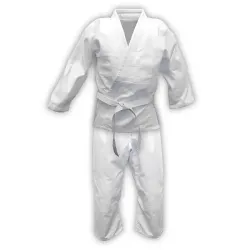
 🔍︎ QUICK VIEW
From $59.95
🔍︎ QUICK VIEW
From $59.95 -
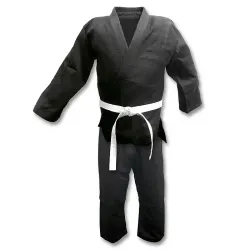 🔍︎ QUICK VIEW
From $74.95
🔍︎ QUICK VIEW
From $74.95
Judo Gi - Japanese Judo Uniform with a Kimono & Judo Pants
Judo is one of the oldest and most respected martial arts in the world, known for its emphasis on throws, grappling, and ground fighting techniques. It originated in Japan in the late 19th century, created by Jigoro Kano, who sought to create a sport that combined self-defense with physical and mental discipline. To practice judo, you need a proper judo uniform, often referred to as a judogi, judo gi, or simply a judo outfit. These uniforms are unique compared to other martial arts attire like karate gis or jiu-jitsu uniforms, designed specifically to withstand the intense demands of the sport.
The judo gi is unlike other martial arts uniforms in a number of ways. One of the most important features that set it apart is the material. Judo uniforms are made from a heavier, thicker, and more durable cotton fabric compared to the lightweight material of other martial arts gis. This fabric is woven in a specific way to create a rough texture that is capable of enduring the powerful grips, throws, and groundwork that judo is known for. The strength of the fabric is essential for resisting wear and tear during aggressive training sessions. When you are practicing judo, especially during high-intensity sparring or competitions, your gi will be subjected to a lot of pulling, twisting, and tugging. That's why it's critical to purchase a high-quality judo gi that is reinforced and able to handle these forces without tearing.
A typical judo uniform consists of a durable jacket, known as the kimono, and pants. The jacket is made of tightly woven fabric that resists ripping even when it's pulled on forcefully. A lot of judoka (practitioners of judo) prefer a jacket with a thicker weave, such as the canvas or Hemp weave, as these are more durable for high-level competition and training. The pants of a judo gi also play an important role. They are typically made from a reinforced cotton material, with additional reinforcement around the knees to help protect against mat burns when performing ground techniques like pins and sweeps.
The reinforced stitching and high-quality fabric are essential for durability. A judoka gi that is not built well may easily fall apart during intense rolling or while executing complex throws. Judo pants often feature double or even triple stitching along the seams and at key stress points, such as the knees and the waistband. This attention to detail ensures that the uniform will last through countless training sessions, without compromising the comfort or flexibility necessary to perform judo techniques properly.
One of the primary differences between a judo gi and other martial arts uniforms, like a karate gi or jiu-jitsu gi, is the fit and cut of the garment. Judo gis are generally a little looser in fit compared to karate or Brazilian jiu-jitsu gis. This is by design, as judo techniques often involve gripping the opponent's clothing, using it to execute throws, and to apply joint locks. A looser fit allows for easier grip and movement, while still maintaining durability. The sleeves on a judo gi tend to be longer and looser than those on a karate gi, again to accommodate gripping and pulling techniques. Additionally, judo gi pants are typically more spacious and provide more room for movement, particularly in the hip and thigh areas, which are essential when performing complex judo throws.
When it comes to the difference between a judo gi and a jiu-jitsu gi, the contrast lies in the design and intended use of the uniform. Both judo and Brazilian jiu-jitsu practitioners engage in ground fighting and use the gi to aid in submissions and control. However, jiu-jitsu gis are usually made of a slightly lighter material and have a more fitted design, particularly around the sleeves and legs. This is because jiu-jitsu focuses on submissions and holds, with less emphasis on standing techniques like throws. The sleeves of a jiu-jitsu gi are often more fitted to prevent opponents from easily grabbing them, whereas the looser sleeves of a judo gi are designed specifically for grip-based fighting.
The judogi has evolved over time but remains closely linked to the roots of the martial art. Historically, judo uniforms were very similar to the traditional kimono worn in Japan, but as the sport of judo gained popularity worldwide, the uniform was standardized to suit the needs of both practitioners and competitions. Today, a judo gi is often identified by its clean white color, although some may have blue gis, especially for competition. The color of the gi in judo competitions is important because it helps differentiate between the two competitors; one wears a white gi, and the other wears a blue gi. This color distinction aids referees and spectators during fast-paced matches. The judogi is not just a symbol of judo but a functional piece of clothing designed to support the unique needs of judo practitioners.
Judo, as a martial art, emphasizes balance, timing, and technique rather than raw strength. It is a sport where a smaller and weaker individual can overcome a larger opponent by using the principles of leverage and efficient movement. The judo outfit plays a crucial role in helping practitioners develop these skills by providing a uniform that is both durable and functional. This uniform allows judoka to practice throwing techniques, joint locks, and other essential skills in a safe and effective way.
The roots of judo can be traced back to the late 19th century when Jigoro Kano developed the art as a way to promote physical education and mental discipline. Judo uniforms were designed as part of this philosophy, and Kano intended for it to reflect the values of the martial art itself: respect, discipline, and efficiency. While the design of the uniform has been refined over the years, the fundamental principles behind its construction have remained the same.
When purchasing a judo gi, you should look for one that matches your level of expertise, body type, and training intensity. Beginners often opt for a lighter, more affordable gi, while experienced judoka might prefer a higher-end, competition-grade judo uniform made from premium cotton or even hemp. There are also several brands known for producing top-quality judo clothing, so it's important to do some research to ensure you're getting a gi that fits well, holds up over time, and allows for optimal movement during training.
At KarateMart.com, we offer a wide range of judo uniforms to suit all levels of practitioners, from beginners to advanced competitors. Whether you're looking for a durable judo gi for sale or a high-performance judo kimono for competition, we have what you need. Our judo uniforms are designed with comfort, durability, and functionality in mind. If you're searching for the perfect judo gi, our collection includes top-quality brands and various sizes to ensure a perfect fit for every judoka.
At first glance, a judo gi and a Brazilian jiu-jitsu gi look similar. Both are thick cotton uniforms built for grappling. The differences come from how each martial art actually uses the uniform in training and competition.
Yes. In modern judo competitions, both white and blue gis are standard and fully accepted. The two colors are used so referees, judges, and spectators can easily distinguish between competitors during fast-paced matches. One athlete wears white, and the other wears blue, which keeps grips, throws, and scoring clear at a glance.
Outside of tournaments, most dojos still train primarily in white gis, simply because it's traditional and easy to keep consistent across a class. If you plan to compete, owning both colors can be helpful, but for everyday training, a white judo gi is usually all you need.
Judo gis are most commonly made with either single weave, double weave, or pearl weave fabric. Single weave gis are lighter and more comfortable, making them a popular choice for beginners and casual training. They break in quickly and are easier to move in, but they do not last as long under heavy gripping and high-intensity practice.
Double weave and pearl weave gis are heavier and far more durable. These are favored by experienced judoka and competitors because the thicker fabric resists tearing and makes it harder for opponents to maintain strong grips. The tradeoff is weight and stiffness, especially when the gi is new. For serious training or competition, a heavier weave is usually worth it.
Most judo gis will shrink to some degree, especially if they are made from 100 percent cotton. Heat is the main culprit. Washing in hot water or drying on high heat can cause noticeable size reduction, particularly in the sleeves and pant legs. This is normal for natural fabrics and is something most judoka plan for when choosing a size.
To minimize shrinkage, wash your gi in cold water and let it air dry whenever possible. Many practitioners buy a gi that fits slightly large at first, knowing it will settle into the right size after a few washes. Taking a little care with laundering helps your gi maintain its fit and extend its lifespan.
A judo gi can be used for some other martial arts, but it is not always the best match. Because judo uniforms are heavier and cut looser, they work reasonably well for arts like aikido or traditional jujutsu that involve gripping and throwing. In those styles, the durability of a judo gi can actually be an advantage.
However, a judo gi is usually not ideal for karate or Brazilian jiu-jitsu. Karate gis are lighter and designed for striking and movement, while BJJ gis are more fitted to reduce gripping during ground work. Using a judo gi in those systems can feel bulky and restrictive. It will work in a pinch, but for long-term training, most practitioners prefer a uniform designed specifically for their art.
Judo gis are typically sized by height, using numbers that correspond roughly to the wearer's height in centimeters. For example, a size 160 is generally meant for someone around 160 cm tall. This makes sizing fairly straightforward, but body type still matters. Someone who is broad-shouldered or heavier may need to size up, while a slimmer athlete might prefer a closer fit within the same height range.
Because judo gis can shrink, many practitioners choose a size that feels slightly roomy at first. Sleeves and pant legs should reach the wrists and ankles without riding high when you move. A well-sized gi should allow free movement while still giving opponents something to grip. When in doubt, checking the brand's size chart and allowing for a small amount of shrinkage will usually get you the best fit.
Yes. Most judo gis are unisex and designed to fit a wide range of body types, regardless of gender. Many women train and compete in standard judo uniforms without any issue. The traditional cut works well for most practitioners, and sizing by height makes it easy to find a good starting point.
That said, some women prefer a slightly different fit, especially through the chest, hips, or waist. In those cases, choosing a size based on both height and build is important. A gi that fits well should allow full range of motion without feeling tight across the shoulders or restrictive when gripping and throwing. The goal is comfort and freedom of movement, not whether the uniform is labeled for men or women.
What Makes a Judo Gi Different?
The judo gi is unlike other martial arts uniforms in a number of ways. One of the most important features that set it apart is the material. Judo uniforms are made from a heavier, thicker, and more durable cotton fabric compared to the lightweight material of other martial arts gis. This fabric is woven in a specific way to create a rough texture that is capable of enduring the powerful grips, throws, and groundwork that judo is known for. The strength of the fabric is essential for resisting wear and tear during aggressive training sessions. When you are practicing judo, especially during high-intensity sparring or competitions, your gi will be subjected to a lot of pulling, twisting, and tugging. That's why it's critical to purchase a high-quality judo gi that is reinforced and able to handle these forces without tearing.
Construction of a Judo Uniform
A typical judo uniform consists of a durable jacket, known as the kimono, and pants. The jacket is made of tightly woven fabric that resists ripping even when it's pulled on forcefully. A lot of judoka (practitioners of judo) prefer a jacket with a thicker weave, such as the canvas or Hemp weave, as these are more durable for high-level competition and training. The pants of a judo gi also play an important role. They are typically made from a reinforced cotton material, with additional reinforcement around the knees to help protect against mat burns when performing ground techniques like pins and sweeps.
The reinforced stitching and high-quality fabric are essential for durability. A judoka gi that is not built well may easily fall apart during intense rolling or while executing complex throws. Judo pants often feature double or even triple stitching along the seams and at key stress points, such as the knees and the waistband. This attention to detail ensures that the uniform will last through countless training sessions, without compromising the comfort or flexibility necessary to perform judo techniques properly.
Judo Gi vs Other Martial Arts Uniforms
One of the primary differences between a judo gi and other martial arts uniforms, like a karate gi or jiu-jitsu gi, is the fit and cut of the garment. Judo gis are generally a little looser in fit compared to karate or Brazilian jiu-jitsu gis. This is by design, as judo techniques often involve gripping the opponent's clothing, using it to execute throws, and to apply joint locks. A looser fit allows for easier grip and movement, while still maintaining durability. The sleeves on a judo gi tend to be longer and looser than those on a karate gi, again to accommodate gripping and pulling techniques. Additionally, judo gi pants are typically more spacious and provide more room for movement, particularly in the hip and thigh areas, which are essential when performing complex judo throws.
When it comes to the difference between a judo gi and a jiu-jitsu gi, the contrast lies in the design and intended use of the uniform. Both judo and Brazilian jiu-jitsu practitioners engage in ground fighting and use the gi to aid in submissions and control. However, jiu-jitsu gis are usually made of a slightly lighter material and have a more fitted design, particularly around the sleeves and legs. This is because jiu-jitsu focuses on submissions and holds, with less emphasis on standing techniques like throws. The sleeves of a jiu-jitsu gi are often more fitted to prevent opponents from easily grabbing them, whereas the looser sleeves of a judo gi are designed specifically for grip-based fighting.
The Evolution of the Judogi
The judogi has evolved over time but remains closely linked to the roots of the martial art. Historically, judo uniforms were very similar to the traditional kimono worn in Japan, but as the sport of judo gained popularity worldwide, the uniform was standardized to suit the needs of both practitioners and competitions. Today, a judo gi is often identified by its clean white color, although some may have blue gis, especially for competition. The color of the gi in judo competitions is important because it helps differentiate between the two competitors; one wears a white gi, and the other wears a blue gi. This color distinction aids referees and spectators during fast-paced matches. The judogi is not just a symbol of judo but a functional piece of clothing designed to support the unique needs of judo practitioners.
Why the Uniform Matters in Judo Training
Judo, as a martial art, emphasizes balance, timing, and technique rather than raw strength. It is a sport where a smaller and weaker individual can overcome a larger opponent by using the principles of leverage and efficient movement. The judo outfit plays a crucial role in helping practitioners develop these skills by providing a uniform that is both durable and functional. This uniform allows judoka to practice throwing techniques, joint locks, and other essential skills in a safe and effective way.
Jigoro Kano and the Philosophy Behind the Gi
The roots of judo can be traced back to the late 19th century when Jigoro Kano developed the art as a way to promote physical education and mental discipline. Judo uniforms were designed as part of this philosophy, and Kano intended for it to reflect the values of the martial art itself: respect, discipline, and efficiency. While the design of the uniform has been refined over the years, the fundamental principles behind its construction have remained the same.
Choosing the Right Judo Gi
When purchasing a judo gi, you should look for one that matches your level of expertise, body type, and training intensity. Beginners often opt for a lighter, more affordable gi, while experienced judoka might prefer a higher-end, competition-grade judo uniform made from premium cotton or even hemp. There are also several brands known for producing top-quality judo clothing, so it's important to do some research to ensure you're getting a gi that fits well, holds up over time, and allows for optimal movement during training.
At KarateMart.com, we offer a wide range of judo uniforms to suit all levels of practitioners, from beginners to advanced competitors. Whether you're looking for a durable judo gi for sale or a high-performance judo kimono for competition, we have what you need. Our judo uniforms are designed with comfort, durability, and functionality in mind. If you're searching for the perfect judo gi, our collection includes top-quality brands and various sizes to ensure a perfect fit for every judoka.
What Is the Difference Between a Judo Gi and a Jiu Jitsu Uniform?
At first glance, a judo gi and a Brazilian jiu-jitsu gi look similar. Both are thick cotton uniforms built for grappling. The differences come from how each martial art actually uses the uniform in training and competition.
Build and Durability
Judo gis are heavier, thicker, and rougher in texture. They are built to survive constant gripping, pulling, and high-impact throws. The fabric is designed to resist tearing under aggressive standing exchanges. BJJ gis are still durable, but they are usually lighter and smoother. This makes them more comfortable for long ground exchanges and faster movement on the mat.
Fit and Design
Judo gis are intentionally looser. Wider sleeves and roomier pants make gripping easier, which is essential for throws and stand-up control. BJJ gis are more fitted. Shorter sleeves and a closer cut reduce the amount of fabric an opponent can grab, which matters in a sport built around submissions and positional control on the ground.
How Each Art Uses the Gi
In judo, the gi is primarily a tool for throws. Practitioners rely on collars and sleeves to off-balance opponents and execute takedowns. In Brazilian jiu-jitsu, the gi becomes a constant part of ground strategy. It is used to set up chokes, sweeps, and joint locks. The uniform in each art is shaped by how the sport is actually fought, not just by tradition.
Judo gis are heavier, thicker, and rougher in texture. They are built to survive constant gripping, pulling, and high-impact throws. The fabric is designed to resist tearing under aggressive standing exchanges. BJJ gis are still durable, but they are usually lighter and smoother. This makes them more comfortable for long ground exchanges and faster movement on the mat.
Fit and Design
Judo gis are intentionally looser. Wider sleeves and roomier pants make gripping easier, which is essential for throws and stand-up control. BJJ gis are more fitted. Shorter sleeves and a closer cut reduce the amount of fabric an opponent can grab, which matters in a sport built around submissions and positional control on the ground.
How Each Art Uses the Gi
In judo, the gi is primarily a tool for throws. Practitioners rely on collars and sleeves to off-balance opponents and execute takedowns. In Brazilian jiu-jitsu, the gi becomes a constant part of ground strategy. It is used to set up chokes, sweeps, and joint locks. The uniform in each art is shaped by how the sport is actually fought, not just by tradition.
Are White and Blue Judo Gis Both Allowed in Competitions?
Yes. In modern judo competitions, both white and blue gis are standard and fully accepted. The two colors are used so referees, judges, and spectators can easily distinguish between competitors during fast-paced matches. One athlete wears white, and the other wears blue, which keeps grips, throws, and scoring clear at a glance.
Outside of tournaments, most dojos still train primarily in white gis, simply because it's traditional and easy to keep consistent across a class. If you plan to compete, owning both colors can be helpful, but for everyday training, a white judo gi is usually all you need.
What Is the Best Weave for a Judo Gi and Why?
Judo gis are most commonly made with either single weave, double weave, or pearl weave fabric. Single weave gis are lighter and more comfortable, making them a popular choice for beginners and casual training. They break in quickly and are easier to move in, but they do not last as long under heavy gripping and high-intensity practice.
Double weave and pearl weave gis are heavier and far more durable. These are favored by experienced judoka and competitors because the thicker fabric resists tearing and makes it harder for opponents to maintain strong grips. The tradeoff is weight and stiffness, especially when the gi is new. For serious training or competition, a heavier weave is usually worth it.
Will My Judo Gi Shrink After Washing?
Most judo gis will shrink to some degree, especially if they are made from 100 percent cotton. Heat is the main culprit. Washing in hot water or drying on high heat can cause noticeable size reduction, particularly in the sleeves and pant legs. This is normal for natural fabrics and is something most judoka plan for when choosing a size.
To minimize shrinkage, wash your gi in cold water and let it air dry whenever possible. Many practitioners buy a gi that fits slightly large at first, knowing it will settle into the right size after a few washes. Taking a little care with laundering helps your gi maintain its fit and extend its lifespan.
Can I Use a Judo Gi for Other Martial Arts?
A judo gi can be used for some other martial arts, but it is not always the best match. Because judo uniforms are heavier and cut looser, they work reasonably well for arts like aikido or traditional jujutsu that involve gripping and throwing. In those styles, the durability of a judo gi can actually be an advantage.
However, a judo gi is usually not ideal for karate or Brazilian jiu-jitsu. Karate gis are lighter and designed for striking and movement, while BJJ gis are more fitted to reduce gripping during ground work. Using a judo gi in those systems can feel bulky and restrictive. It will work in a pinch, but for long-term training, most practitioners prefer a uniform designed specifically for their art.
What Size Judo Gi Should I Buy?
Judo gis are typically sized by height, using numbers that correspond roughly to the wearer's height in centimeters. For example, a size 160 is generally meant for someone around 160 cm tall. This makes sizing fairly straightforward, but body type still matters. Someone who is broad-shouldered or heavier may need to size up, while a slimmer athlete might prefer a closer fit within the same height range.
Because judo gis can shrink, many practitioners choose a size that feels slightly roomy at first. Sleeves and pant legs should reach the wrists and ankles without riding high when you move. A well-sized gi should allow free movement while still giving opponents something to grip. When in doubt, checking the brand's size chart and allowing for a small amount of shrinkage will usually get you the best fit.
Can Women Wear the Same Judo Gi as Men?
Yes. Most judo gis are unisex and designed to fit a wide range of body types, regardless of gender. Many women train and compete in standard judo uniforms without any issue. The traditional cut works well for most practitioners, and sizing by height makes it easy to find a good starting point.
That said, some women prefer a slightly different fit, especially through the chest, hips, or waist. In those cases, choosing a size based on both height and build is important. A gi that fits well should allow full range of motion without feeling tight across the shoulders or restrictive when gripping and throwing. The goal is comfort and freedom of movement, not whether the uniform is labeled for men or women.