






Swords for Sale - Asian, Medieval & Japanese Swords
Products
-
 🔍︎ QUICK VIEW
-
 🔍︎ QUICK VIEW
$54.95
🔍︎ QUICK VIEW
$54.95 -
 🔍︎ QUICK VIEW
$34.95
🔍︎ QUICK VIEW
$34.95 -
 🔍︎ QUICK VIEW
-
 🔍︎ QUICK VIEW
$44.95
🔍︎ QUICK VIEW
$44.95 -
 🔍︎ QUICK VIEW
$43.95
🔍︎ QUICK VIEW
$43.95 -
 🔍︎ QUICK VIEW
-
 🔍︎ QUICK VIEW
$149.95
🔍︎ QUICK VIEW
$149.95 -
 🔍︎ QUICK VIEW
From $49.95
🔍︎ QUICK VIEW
From $49.95 -
 🔍︎ QUICK VIEW
$21.95
🔍︎ QUICK VIEW
$21.95 -
 🔍︎ QUICK VIEW
$52.95
🔍︎ QUICK VIEW
$52.95 -
 🔍︎ QUICK VIEW
$124.95
🔍︎ QUICK VIEW
$124.95 -
 🔍︎ QUICK VIEW
-
 🔍︎ QUICK VIEW
$84.95
🔍︎ QUICK VIEW
$84.95 -
 🔍︎ QUICK VIEW
$104.95
🔍︎ QUICK VIEW
$104.95 -
 🔍︎ QUICK VIEW
$44.95
🔍︎ QUICK VIEW
$44.95 -
 🔍︎ QUICK VIEW
$42.95
🔍︎ QUICK VIEW
$42.95 -
 🔍︎ QUICK VIEW
$49.95
🔍︎ QUICK VIEW
$49.95 -
 🔍︎ QUICK VIEW
$52.95
🔍︎ QUICK VIEW
$52.95 -
 🔍︎ QUICK VIEW
-
 🔍︎ QUICK VIEW
$119.95
🔍︎ QUICK VIEW
$119.95 -
 🔍︎ QUICK VIEW
-
 🔍︎ QUICK VIEW
$42.95
🔍︎ QUICK VIEW
$42.95 -
 🔍︎ QUICK VIEW
-
 🔍︎ QUICK VIEW
$44.95
🔍︎ QUICK VIEW
$44.95 -
 🔍︎ QUICK VIEW
$159.95
🔍︎ QUICK VIEW
$159.95 -
 🔍︎ QUICK VIEW
$109.95
🔍︎ QUICK VIEW
$109.95 -
 🔍︎ QUICK VIEW
-
 🔍︎ QUICK VIEW
$114.95
🔍︎ QUICK VIEW
$114.95 -
 🔍︎ QUICK VIEW
$119.95
🔍︎ QUICK VIEW
$119.95 -
 🔍︎ QUICK VIEW
$119.95
🔍︎ QUICK VIEW
$119.95 -
 🔍︎ QUICK VIEW
$39.95
🔍︎ QUICK VIEW
$39.95 -
 🔍︎ QUICK VIEW
$99.95
🔍︎ QUICK VIEW
$99.95 -
 🔍︎ QUICK VIEW
$64.95
🔍︎ QUICK VIEW
$64.95 -
 🔍︎ QUICK VIEW
$44.95
🔍︎ QUICK VIEW
$44.95 -
 🔍︎ QUICK VIEW
$109.95
🔍︎ QUICK VIEW
$109.95 -
 🔍︎ QUICK VIEW
$199.95
🔍︎ QUICK VIEW
$199.95 -
 🔍︎ QUICK VIEW
$109.95
🔍︎ QUICK VIEW
$109.95 -
 🔍︎ QUICK VIEW
$144.95
🔍︎ QUICK VIEW
$144.95 -
 🔍︎ QUICK VIEW
$32.95
🔍︎ QUICK VIEW
$32.95 -
 🔍︎ QUICK VIEW
$42.95
🔍︎ QUICK VIEW
$42.95 -
 🔍︎ QUICK VIEW
-
 🔍︎ QUICK VIEW
$164.95
🔍︎ QUICK VIEW
$164.95 -
 🔍︎ QUICK VIEW
$39.95
🔍︎ QUICK VIEW
$39.95 -
 🔍︎ QUICK VIEW
$46.95
🔍︎ QUICK VIEW
$46.95 -
 🔍︎ QUICK VIEW
-
 🔍︎ QUICK VIEW
-
 🔍︎ QUICK VIEW
-
 🔍︎ QUICK VIEW
-
 🔍︎ QUICK VIEW
$89.95
🔍︎ QUICK VIEW
$89.95 -
 🔍︎ QUICK VIEW
$79.95
🔍︎ QUICK VIEW
$79.95 -
 🔍︎ QUICK VIEW
-
 🔍︎ QUICK VIEW
-
 🔍︎ QUICK VIEW
$119.95
🔍︎ QUICK VIEW
$119.95 -
 🔍︎ QUICK VIEW
$219.95
🔍︎ QUICK VIEW
$219.95 -
 🔍︎ QUICK VIEW
$129.95
🔍︎ QUICK VIEW
$129.95 -
 🔍︎ QUICK VIEW
$94.95
🔍︎ QUICK VIEW
$94.95 -
 🔍︎ QUICK VIEW
$59.95
🔍︎ QUICK VIEW
$59.95 -
 🔍︎ QUICK VIEW
$104.95
🔍︎ QUICK VIEW
$104.95 -
 🔍︎ QUICK VIEW
$139.95
🔍︎ QUICK VIEW
$139.95 -
 🔍︎ QUICK VIEW
$149.95
🔍︎ QUICK VIEW
$149.95 -
 🔍︎ QUICK VIEW
$54.95
🔍︎ QUICK VIEW
$54.95 -
 🔍︎ QUICK VIEW
$54.95
🔍︎ QUICK VIEW
$54.95 -
 🔍︎ QUICK VIEW
-
 🔍︎ QUICK VIEW
-
 🔍︎ QUICK VIEW
-
 🔍︎ QUICK VIEW
$319.95
🔍︎ QUICK VIEW
$319.95 -
 🔍︎ QUICK VIEW
$109.95
🔍︎ QUICK VIEW
$109.95 -
 🔍︎ QUICK VIEW
$154.95
🔍︎ QUICK VIEW
$154.95 -
 🔍︎ QUICK VIEW
$114.95
🔍︎ QUICK VIEW
$114.95 -
 🔍︎ QUICK VIEW
$139.95
🔍︎ QUICK VIEW
$139.95 -
 🔍︎ QUICK VIEW
$174.95
🔍︎ QUICK VIEW
$174.95 -
 🔍︎ QUICK VIEW
$44.95
🔍︎ QUICK VIEW
$44.95 -
 🔍︎ QUICK VIEW
-
 🔍︎ QUICK VIEW
$46.95
🔍︎ QUICK VIEW
$46.95 -
 🔍︎ QUICK VIEW
$49.95
🔍︎ QUICK VIEW
$49.95 -
 🔍︎ QUICK VIEW
$49.95
🔍︎ QUICK VIEW
$49.95 -
 🔍︎ QUICK VIEW
-
 🔍︎ QUICK VIEW
$52.95
🔍︎ QUICK VIEW
$52.95 -
 🔍︎ QUICK VIEW
-
 🔍︎ QUICK VIEW
$94.95
🔍︎ QUICK VIEW
$94.95 -
 🔍︎ QUICK VIEW
-
 🔍︎ QUICK VIEW
$84.95
🔍︎ QUICK VIEW
$84.95 -
 🔍︎ QUICK VIEW
$99.95
🔍︎ QUICK VIEW
$99.95 -
 🔍︎ QUICK VIEW
$94.95
🔍︎ QUICK VIEW
$94.95 -
 🔍︎ QUICK VIEW
$72.95
🔍︎ QUICK VIEW
$72.95 -
 🔍︎ QUICK VIEW
$109.95
🔍︎ QUICK VIEW
$109.95 -
 🔍︎ QUICK VIEW
$109.95
🔍︎ QUICK VIEW
$109.95 -
 🔍︎ QUICK VIEW
-
 🔍︎ QUICK VIEW
$179.95
🔍︎ QUICK VIEW
$179.95 -
 🔍︎ QUICK VIEW
$99.95
🔍︎ QUICK VIEW
$99.95 -
 🔍︎ QUICK VIEW
$42.95
🔍︎ QUICK VIEW
$42.95 -
 🔍︎ QUICK VIEW
-
 🔍︎ QUICK VIEW
$219.95
🔍︎ QUICK VIEW
$219.95 -
 🔍︎ QUICK VIEW
$109.95
🔍︎ QUICK VIEW
$109.95 -
 🔍︎ QUICK VIEW
$99.95
🔍︎ QUICK VIEW
$99.95 -
 🔍︎ QUICK VIEW
$119.95
🔍︎ QUICK VIEW
$119.95 -
 🔍︎ QUICK VIEW
$189.95
🔍︎ QUICK VIEW
$189.95 -
 🔍︎ QUICK VIEW
$134.95
🔍︎ QUICK VIEW
$134.95 -
 🔍︎ QUICK VIEW
$139.95
🔍︎ QUICK VIEW
$139.95 -
 🔍︎ QUICK VIEW
$119.95
🔍︎ QUICK VIEW
$119.95 -
 🔍︎ QUICK VIEW
$134.95
🔍︎ QUICK VIEW
$134.95 -
 🔍︎ QUICK VIEW
$229.95
🔍︎ QUICK VIEW
$229.95 -
 🔍︎ QUICK VIEW
$159.95
🔍︎ QUICK VIEW
$159.95 -
 🔍︎ QUICK VIEW
$184.95
🔍︎ QUICK VIEW
$184.95 -
 🔍︎ QUICK VIEW
$184.95
🔍︎ QUICK VIEW
$184.95 -
 🔍︎ QUICK VIEW
$249.95
🔍︎ QUICK VIEW
$249.95 -
 🔍︎ QUICK VIEW
$44.95
🔍︎ QUICK VIEW
$44.95 -
 🔍︎ QUICK VIEW
$129.95
🔍︎ QUICK VIEW
$129.95 -
 🔍︎ QUICK VIEW
-
 🔍︎ QUICK VIEW
-
 🔍︎ QUICK VIEW
$119.95
🔍︎ QUICK VIEW
$119.95 -
 🔍︎ QUICK VIEW
$169.95
🔍︎ QUICK VIEW
$169.95 -
 🔍︎ QUICK VIEW
$199.95
🔍︎ QUICK VIEW
$199.95 -
 🔍︎ QUICK VIEW
$129.95
🔍︎ QUICK VIEW
$129.95 -
 🔍︎ QUICK VIEW
$129.95
🔍︎ QUICK VIEW
$129.95 -
 🔍︎ QUICK VIEW
$159.95
🔍︎ QUICK VIEW
$159.95 -
 🔍︎ QUICK VIEW
$129.95
🔍︎ QUICK VIEW
$129.95 -
 🔍︎ QUICK VIEW
$129.95
🔍︎ QUICK VIEW
$129.95 -
 🔍︎ QUICK VIEW
$159.95
🔍︎ QUICK VIEW
$159.95 -
 🔍︎ QUICK VIEW
-
 🔍︎ QUICK VIEW
$189.95
🔍︎ QUICK VIEW
$189.95 -
 🔍︎ QUICK VIEW
$129.95
🔍︎ QUICK VIEW
$129.95 -
 🔍︎ QUICK VIEW
$129.95
🔍︎ QUICK VIEW
$129.95 -
 🔍︎ QUICK VIEW
$129.95
🔍︎ QUICK VIEW
$129.95 -
 🔍︎ QUICK VIEW
$44.95
🔍︎ QUICK VIEW
$44.95 -
 🔍︎ QUICK VIEW
-
 🔍︎ QUICK VIEW
$129.95
🔍︎ QUICK VIEW
$129.95 -
 🔍︎ QUICK VIEW
$109.95
🔍︎ QUICK VIEW
$109.95 -
 🔍︎ QUICK VIEW
$99.95
🔍︎ QUICK VIEW
$99.95 -
 🔍︎ QUICK VIEW
-
 🔍︎ QUICK VIEW
-
 🔍︎ QUICK VIEW
-
 🔍︎ QUICK VIEW
$104.95
🔍︎ QUICK VIEW
$104.95 -
 🔍︎ QUICK VIEW
$46.95
🔍︎ QUICK VIEW
$46.95 -
 🔍︎ QUICK VIEW
$149.95
🔍︎ QUICK VIEW
$149.95 -
 🔍︎ QUICK VIEW
-
 🔍︎ QUICK VIEW
$399.95
🔍︎ QUICK VIEW
$399.95 -
 🔍︎ QUICK VIEW
-
 🔍︎ QUICK VIEW
-
 🔍︎ QUICK VIEW
$169.95
🔍︎ QUICK VIEW
$169.95 -
 🔍︎ QUICK VIEW
-
 🔍︎ QUICK VIEW
$319.95
🔍︎ QUICK VIEW
$319.95 -
 🔍︎ QUICK VIEW
$34.95
🔍︎ QUICK VIEW
$34.95 -
 🔍︎ QUICK VIEW
$129.95
🔍︎ QUICK VIEW
$129.95 -
 🔍︎ QUICK VIEW
$209.95
🔍︎ QUICK VIEW
$209.95 -
 🔍︎ QUICK VIEW
$174.95
🔍︎ QUICK VIEW
$174.95 -
 🔍︎ QUICK VIEW
$44.95
🔍︎ QUICK VIEW
$44.95 -
 🔍︎ QUICK VIEW
-
 🔍︎ QUICK VIEW
$154.95
🔍︎ QUICK VIEW
$154.95
 (1)
(1) (1)
(1) (5)
(5) (1)
(1)Swords for Sale - Asian, Medieval & Japanese Swords
When it comes to martial arts weapons, few are as universally recognized as the sword. For centuries, swords have been used for training, combat, and ceremonial purposes across countless cultures. Today, they remain an essential part of many martial arts systems and a popular choice for practitioners, collectors, and enthusiasts alike. Whether you are studying Kendo, practicing Wushu, or training in Kenjutsu, the sword continues to play a central role in martial tradition.
Swords are valued not only for their effectiveness, but also for their balance, control, and precision. While the basic design of a sword may appear simple, mastering one requires discipline, focus, and a deep understanding of movement and timing. This balance between form and function is what has made swords enduring tools of martial mastery for generations.
At KarateMart.com, we offer a wide selection of swords designed to meet the needs of beginners, advanced martial artists, and collectors. Our inventory includes training swords, functional metal swords, and decorative pieces, each chosen for its craftsmanship, durability, and authenticity. Whether you are learning basic techniques or expanding a collection, our swords are suited to a wide range of skill levels and uses.
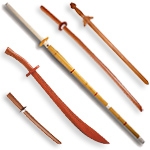
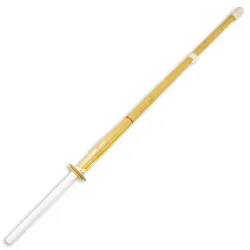
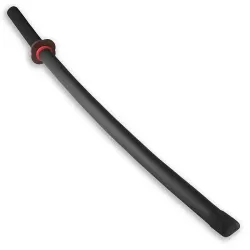
For beginners, training swords provide a safe and effective way to build fundamentals. Our wooden bokken and foam practice swords are ideal for learning proper grip, footwork, and striking mechanics before transitioning to metal blades. These options are commonly used in Japanese sword arts such as Iaido, Kenjutsu, and Kendo.
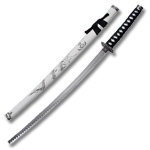
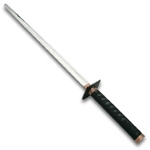
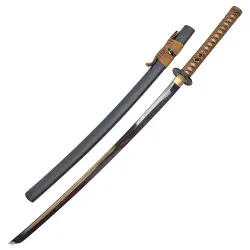
For those ready to move on to real swords, we carry an extensive selection of Japanese swords, commonly referred to as katana. Our offerings include both functional and decorative blades, ranging from traditional designs to modern interpretations. Our selection of Samurai swords and Ninja swords covers a wide variety of styles, including classic katana and compact ninjato.
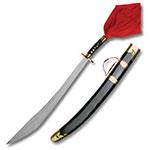
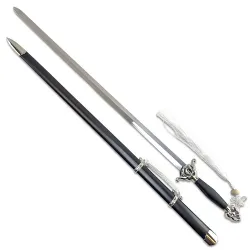
Our sword selection also includes traditional Asian swords beyond Japan, such as Chinese dao and Korean sabers. These designs reflect distinct martial traditions and offer unique handling characteristics suited to different fighting styles and training methods.
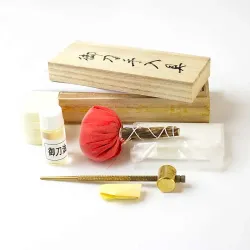
In addition to swords, we offer a variety of sword accessories to support proper care and storage. Cleaning kits, maintenance supplies, and display racks help protect your investment and preserve the condition of your sword, whether it is used for training or display.
We understand that choosing the right sword is a personal decision. That is why we offer swords at a wide range of price points, from affordable training options to high-end pieces for serious practitioners and collectors. Whether you are looking for a practical training sword or a real sword to own long term, our selection offers options to fit different goals and budgets.
A functional sword is built to be structurally sound and capable of handling real use, such as cutting practice, martial arts training, or demonstrations. These swords are typically made with stronger materials, a properly secured tang, and fittings that are assembled to stay tight under stress. Decorative swords, on the other hand, are designed primarily for display. They can look great on a wall or in a collection, but they are not built to handle impact, repeated motion, or the forces created during cutting and training.
The biggest difference comes down to construction. A functional sword is designed as a tool, so it needs reliable blade geometry, a secure handle assembly, and durable materials that can withstand real-world use. Decorative swords often prioritize appearance, which can mean lighter construction, less robust tang designs, looser fittings, or materials that are not intended for demanding use. Even if a decorative sword looks "real," it may not be safe to swing, strike, or cut with because the blade or handle assembly can fail unexpectedly.
If your goal is training or cutting practice, it is important to choose a sword that is clearly intended for that purpose and to follow safe handling practices. Decorative swords are best treated as display items and should not be used for sparring, cutting, or any activity where the blade, guard, or handle could loosen, bend, or break.
In most cases, decorative swords are not meant to be used for training, cutting practice, or sparring. They are created primarily for visual appeal, which means the focus is often on appearance rather than structural strength. While a decorative sword may resemble a functional weapon, its construction may not be designed to handle impact, force, or repeated motion safely.
Decorative swords can have lighter tangs, less secure handle assemblies, or fittings that are intended to stay in place under normal handling but not under stress. Even controlled swinging or light contact can cause parts to loosen or fail, which creates a serious safety risk. Because of this, decorative swords should never be used for cutting targets, sparring with another person, or any activity where the blade is subjected to resistance.
If you want a sword for practical use, training, or cutting practice, it's important to choose one that is clearly described as functional and intended for that purpose. Decorative swords are best enjoyed as display pieces, costume accessories, or collectibles where they can be appreciated without being put into potentially dangerous situations.
One of the most reliable ways to tell if a sword is functional is by looking at how it is constructed and how it is described for use. Functional swords are typically built with durability in mind and are intended for real activities such as training, cutting practice, or demonstrations. They are usually made from stronger steels, have a securely mounted tang that extends into the handle, and feature fittings that are designed to stay tight under stress rather than purely for appearance.
Product descriptions are especially important when determining whether a sword is functional. A sword that is intended for real use will generally be identified as suitable for training, cutting, or practical use. In contrast, swords described as decorative, display-only, or costume pieces should be treated as non-functional, regardless of how realistic they may look. If the intended use is not clearly stated, it is safest to assume the sword is not meant for real use until confirmed otherwise.
Physical indicators can also provide clues, though they should not be relied on alone. Functional swords tend to feel balanced rather than overly light or awkward, and their fittings should be tight with no movement in the guard or handle. Decorative swords may feel lighter, have looser components, or use construction methods that are not designed to handle force. When in doubt, avoiding use and relying on the manufacturer's or retailer's guidance is the safest approach to prevent injury or damage.
Yes, functional swords usually require basic care to keep them safe, reliable, and in good condition over time. Because these swords are built for real use and are often made from carbon steel or other high-quality metals, they can be affected by moisture, fingerprints, and environmental exposure. Regular cleaning and proper storage help prevent rust, corrosion, and unnecessary wear.
After handling a functional sword, it's a good idea to wipe the blade down with a clean, dry cloth to remove oils and moisture left behind by your hands. Many sword owners also apply a light protective oil to the blade, especially if the sword is stored for extended periods or kept in a humid environment. If the sword is used for cutting practice, it should be inspected afterward to ensure there is no residue, damage, or loosened fittings that need attention.
Storage is another important part of sword care. Functional swords should be kept in a dry location and stored in a way that minimizes contact with materials that can trap moisture. Even stainless steel blades benefit from occasional cleaning and inspection. With consistent, simple maintenance, a functional sword can remain safe to use and visually appealing for many years.
In many parts of the United States, it is generally legal for adults to own swords, but the laws that apply can vary widely depending on the state, county, or city. While ownership itself is often permitted, restrictions may apply to how a sword can be carried, transported, or used. Some jurisdictions regulate factors such as blade length, public carry, concealed carry, or possession in specific locations like schools or government buildings.
It is also important to understand that laws can differ based on the type of sword and the context in which it is possessed. For example, training swords, decorative swords, and functional metal swords may be treated differently under certain local regulations. In addition, rules for minors may be more restrictive, even in areas where adult ownership is allowed.
Because sword laws can change over time and may be enforced differently at the local level, it is strongly recommended that you review your state and local laws before purchasing, carrying, or using a sword. This may include checking official state statutes, municipal codes, or consulting a qualified legal professional if you have questions about your specific situation. This information is provided for general educational purposes only and should not be considered legal advice.
Today, swords are used for a variety of purposes that go far beyond historical combat. One of the most common modern uses is martial arts training. Many traditional systems still incorporate sword practice to teach balance, timing, coordination, and disciplined movement. Training swords made from wood or foam are often used for safety, while functional swords may be used for advanced practice or controlled cutting exercises where appropriate.
Swords are also widely collected and displayed as historical or cultural artifacts. Collectors may be drawn to specific sword styles, time periods, or craftsmanship details, appreciating swords as representations of history, artistry, and tradition. In these cases, swords are typically kept for display rather than active use, though they still require proper handling and care.
In addition, swords are sometimes used for demonstrations, reenactments, and ceremonial purposes. Historical reenactors and performers may use swords to recreate traditional techniques or illustrate historical fighting styles in a controlled setting. Whether used for training, collecting, or educational display, swords today continue to serve as tools for learning, preservation, and appreciation rather than weapons of warfare.
Swords are made from a range of materials depending on their intended purpose, whether that is training, functional use, or display. Functional swords are most commonly made from steel, with carbon steel being a popular choice due to its strength, durability, and ability to hold a sharp edge. Different carbon steel formulations can affect hardness and flexibility, which is why some swords are designed for cutting practice while others are built for controlled training or demonstration use.
Stainless steel is another material frequently used in sword construction, especially for decorative or display swords. Stainless steel resists rust more easily than carbon steel, making it appealing for display purposes. However, it is often less suitable for functional use because it can be more brittle or less forgiving under stress, depending on the formulation and construction method used.
Training swords are commonly made from alternative materials such as wood, foam, or durable synthetic compounds. Wooden swords, like bokken, are used to develop proper technique and body mechanics without the risks associated with metal blades. Foam and synthetic swords are designed to reduce injury risk during drills and controlled sparring. The material used in a sword plays a major role in how it should be handled, maintained, and used safely.
Yes, most swords require some level of maintenance, though the amount of care needed depends on the type of sword and how it is used. Functional metal swords generally need regular attention to keep them in safe working condition. This includes keeping the blade clean and dry, inspecting fittings for looseness, and addressing any signs of rust or wear before they become more serious issues.
Carbon steel swords usually require the most care because they are more susceptible to rust and corrosion. Even brief exposure to moisture or fingerprints can lead to discoloration if not addressed. Stainless steel swords are more resistant to rust, but they still benefit from occasional cleaning and inspection, especially if they are handled frequently or stored in less-than-ideal conditions.
Training swords made from wood, foam, or synthetic materials require less maintenance, but they should still be checked regularly for cracks, splits, or material breakdown. Proper storage and basic upkeep help extend the life of any sword and ensure it remains safe and reliable, whether it is used for training, display, or collection purposes.
Cleaning and caring for a sword helps preserve both its appearance and its condition over time. For metal swords, especially those made from carbon steel, regular cleaning is important to prevent rust and corrosion. After handling a sword, wiping the blade with a clean, dry cloth helps remove fingerprints and moisture that can lead to discoloration. Avoid touching the blade unnecessarily, as oils from the skin can accelerate corrosion.
For deeper cleaning, a light application of sword oil or a similar protective oil can help create a barrier against moisture. This is especially useful if the sword is stored for long periods or kept in a humid environment. It's also a good idea to periodically inspect the sword for signs of rust, residue, or loosened fittings so any issues can be addressed early.
Training swords made from wood, foam, or synthetic materials require simpler care. Keeping them clean, dry, and stored away from extreme temperatures helps prevent cracking, warping, or material breakdown. Regardless of the type, proper cleaning and storage go a long way in keeping a sword safe, functional, and visually appealing for years to come.
How often a sword should be cleaned depends on how frequently it is handled and the environment in which it is stored. If a sword is handled regularly, even without being used for training or cutting, it should be wiped down after each handling to remove fingerprints and moisture. This simple step helps prevent corrosion, especially on carbon steel blades.
For swords that are used in training or cutting practice, cleaning should be done after each session. Residue from targets, moisture, or debris can cling to the blade and fittings, which can lead to rust or wear if left unaddressed. A quick inspection during cleaning also allows you to check for loosened components or early signs of damage.
Swords that are kept primarily for display still benefit from periodic cleaning and inspection. Even when not handled, dust, humidity, and environmental factors can affect metal over time. Checking and cleaning a display sword every few weeks or months, depending on conditions, helps ensure it remains in good condition and ready for safe handling if needed.
Swords are valued not only for their effectiveness, but also for their balance, control, and precision. While the basic design of a sword may appear simple, mastering one requires discipline, focus, and a deep understanding of movement and timing. This balance between form and function is what has made swords enduring tools of martial mastery for generations.
At KarateMart.com, we offer a wide selection of swords designed to meet the needs of beginners, advanced martial artists, and collectors. Our inventory includes training swords, functional metal swords, and decorative pieces, each chosen for its craftsmanship, durability, and authenticity. Whether you are learning basic techniques or expanding a collection, our swords are suited to a wide range of skill levels and uses.
For beginners, training swords provide a safe and effective way to build fundamentals. Our wooden bokken and foam practice swords are ideal for learning proper grip, footwork, and striking mechanics before transitioning to metal blades. These options are commonly used in Japanese sword arts such as Iaido, Kenjutsu, and Kendo.
For those ready to move on to real swords, we carry an extensive selection of Japanese swords, commonly referred to as katana. Our offerings include both functional and decorative blades, ranging from traditional designs to modern interpretations. Our selection of Samurai swords and Ninja swords covers a wide variety of styles, including classic katana and compact ninjato.
Our sword selection also includes traditional Asian swords beyond Japan, such as Chinese dao and Korean sabers. These designs reflect distinct martial traditions and offer unique handling characteristics suited to different fighting styles and training methods.
In addition to swords, we offer a variety of sword accessories to support proper care and storage. Cleaning kits, maintenance supplies, and display racks help protect your investment and preserve the condition of your sword, whether it is used for training or display.
We understand that choosing the right sword is a personal decision. That is why we offer swords at a wide range of price points, from affordable training options to high-end pieces for serious practitioners and collectors. Whether you are looking for a practical training sword or a real sword to own long term, our selection offers options to fit different goals and budgets.
What Is the Difference Between Functional and Decorative Swords?
A functional sword is built to be structurally sound and capable of handling real use, such as cutting practice, martial arts training, or demonstrations. These swords are typically made with stronger materials, a properly secured tang, and fittings that are assembled to stay tight under stress. Decorative swords, on the other hand, are designed primarily for display. They can look great on a wall or in a collection, but they are not built to handle impact, repeated motion, or the forces created during cutting and training.
The biggest difference comes down to construction. A functional sword is designed as a tool, so it needs reliable blade geometry, a secure handle assembly, and durable materials that can withstand real-world use. Decorative swords often prioritize appearance, which can mean lighter construction, less robust tang designs, looser fittings, or materials that are not intended for demanding use. Even if a decorative sword looks "real," it may not be safe to swing, strike, or cut with because the blade or handle assembly can fail unexpectedly.
If your goal is training or cutting practice, it is important to choose a sword that is clearly intended for that purpose and to follow safe handling practices. Decorative swords are best treated as display items and should not be used for sparring, cutting, or any activity where the blade, guard, or handle could loosen, bend, or break.
Are Decorative Swords Meant to Be Used?
In most cases, decorative swords are not meant to be used for training, cutting practice, or sparring. They are created primarily for visual appeal, which means the focus is often on appearance rather than structural strength. While a decorative sword may resemble a functional weapon, its construction may not be designed to handle impact, force, or repeated motion safely.
Decorative swords can have lighter tangs, less secure handle assemblies, or fittings that are intended to stay in place under normal handling but not under stress. Even controlled swinging or light contact can cause parts to loosen or fail, which creates a serious safety risk. Because of this, decorative swords should never be used for cutting targets, sparring with another person, or any activity where the blade is subjected to resistance.
If you want a sword for practical use, training, or cutting practice, it's important to choose one that is clearly described as functional and intended for that purpose. Decorative swords are best enjoyed as display pieces, costume accessories, or collectibles where they can be appreciated without being put into potentially dangerous situations.
How Can You Tell If a Sword Is Functional?
One of the most reliable ways to tell if a sword is functional is by looking at how it is constructed and how it is described for use. Functional swords are typically built with durability in mind and are intended for real activities such as training, cutting practice, or demonstrations. They are usually made from stronger steels, have a securely mounted tang that extends into the handle, and feature fittings that are designed to stay tight under stress rather than purely for appearance.
Product descriptions are especially important when determining whether a sword is functional. A sword that is intended for real use will generally be identified as suitable for training, cutting, or practical use. In contrast, swords described as decorative, display-only, or costume pieces should be treated as non-functional, regardless of how realistic they may look. If the intended use is not clearly stated, it is safest to assume the sword is not meant for real use until confirmed otherwise.
Physical indicators can also provide clues, though they should not be relied on alone. Functional swords tend to feel balanced rather than overly light or awkward, and their fittings should be tight with no movement in the guard or handle. Decorative swords may feel lighter, have looser components, or use construction methods that are not designed to handle force. When in doubt, avoiding use and relying on the manufacturer's or retailer's guidance is the safest approach to prevent injury or damage.
Do Functional Swords Require Special Care?
Yes, functional swords usually require basic care to keep them safe, reliable, and in good condition over time. Because these swords are built for real use and are often made from carbon steel or other high-quality metals, they can be affected by moisture, fingerprints, and environmental exposure. Regular cleaning and proper storage help prevent rust, corrosion, and unnecessary wear.
After handling a functional sword, it's a good idea to wipe the blade down with a clean, dry cloth to remove oils and moisture left behind by your hands. Many sword owners also apply a light protective oil to the blade, especially if the sword is stored for extended periods or kept in a humid environment. If the sword is used for cutting practice, it should be inspected afterward to ensure there is no residue, damage, or loosened fittings that need attention.
Storage is another important part of sword care. Functional swords should be kept in a dry location and stored in a way that minimizes contact with materials that can trap moisture. Even stainless steel blades benefit from occasional cleaning and inspection. With consistent, simple maintenance, a functional sword can remain safe to use and visually appealing for many years.
Are Swords Legal to Own in the United States?
In many parts of the United States, it is generally legal for adults to own swords, but the laws that apply can vary widely depending on the state, county, or city. While ownership itself is often permitted, restrictions may apply to how a sword can be carried, transported, or used. Some jurisdictions regulate factors such as blade length, public carry, concealed carry, or possession in specific locations like schools or government buildings.
It is also important to understand that laws can differ based on the type of sword and the context in which it is possessed. For example, training swords, decorative swords, and functional metal swords may be treated differently under certain local regulations. In addition, rules for minors may be more restrictive, even in areas where adult ownership is allowed.
Because sword laws can change over time and may be enforced differently at the local level, it is strongly recommended that you review your state and local laws before purchasing, carrying, or using a sword. This may include checking official state statutes, municipal codes, or consulting a qualified legal professional if you have questions about your specific situation. This information is provided for general educational purposes only and should not be considered legal advice.
What Are Swords Commonly Used For Today?
Today, swords are used for a variety of purposes that go far beyond historical combat. One of the most common modern uses is martial arts training. Many traditional systems still incorporate sword practice to teach balance, timing, coordination, and disciplined movement. Training swords made from wood or foam are often used for safety, while functional swords may be used for advanced practice or controlled cutting exercises where appropriate.
Swords are also widely collected and displayed as historical or cultural artifacts. Collectors may be drawn to specific sword styles, time periods, or craftsmanship details, appreciating swords as representations of history, artistry, and tradition. In these cases, swords are typically kept for display rather than active use, though they still require proper handling and care.
In addition, swords are sometimes used for demonstrations, reenactments, and ceremonial purposes. Historical reenactors and performers may use swords to recreate traditional techniques or illustrate historical fighting styles in a controlled setting. Whether used for training, collecting, or educational display, swords today continue to serve as tools for learning, preservation, and appreciation rather than weapons of warfare.
What Materials Are Swords Typically Made From?
Swords are made from a range of materials depending on their intended purpose, whether that is training, functional use, or display. Functional swords are most commonly made from steel, with carbon steel being a popular choice due to its strength, durability, and ability to hold a sharp edge. Different carbon steel formulations can affect hardness and flexibility, which is why some swords are designed for cutting practice while others are built for controlled training or demonstration use.
Stainless steel is another material frequently used in sword construction, especially for decorative or display swords. Stainless steel resists rust more easily than carbon steel, making it appealing for display purposes. However, it is often less suitable for functional use because it can be more brittle or less forgiving under stress, depending on the formulation and construction method used.
Training swords are commonly made from alternative materials such as wood, foam, or durable synthetic compounds. Wooden swords, like bokken, are used to develop proper technique and body mechanics without the risks associated with metal blades. Foam and synthetic swords are designed to reduce injury risk during drills and controlled sparring. The material used in a sword plays a major role in how it should be handled, maintained, and used safely.
Do Swords Require Maintenance?
Yes, most swords require some level of maintenance, though the amount of care needed depends on the type of sword and how it is used. Functional metal swords generally need regular attention to keep them in safe working condition. This includes keeping the blade clean and dry, inspecting fittings for looseness, and addressing any signs of rust or wear before they become more serious issues.
Carbon steel swords usually require the most care because they are more susceptible to rust and corrosion. Even brief exposure to moisture or fingerprints can lead to discoloration if not addressed. Stainless steel swords are more resistant to rust, but they still benefit from occasional cleaning and inspection, especially if they are handled frequently or stored in less-than-ideal conditions.
Training swords made from wood, foam, or synthetic materials require less maintenance, but they should still be checked regularly for cracks, splits, or material breakdown. Proper storage and basic upkeep help extend the life of any sword and ensure it remains safe and reliable, whether it is used for training, display, or collection purposes.
How Do You Clean and Care for a Sword?
Cleaning and caring for a sword helps preserve both its appearance and its condition over time. For metal swords, especially those made from carbon steel, regular cleaning is important to prevent rust and corrosion. After handling a sword, wiping the blade with a clean, dry cloth helps remove fingerprints and moisture that can lead to discoloration. Avoid touching the blade unnecessarily, as oils from the skin can accelerate corrosion.
For deeper cleaning, a light application of sword oil or a similar protective oil can help create a barrier against moisture. This is especially useful if the sword is stored for long periods or kept in a humid environment. It's also a good idea to periodically inspect the sword for signs of rust, residue, or loosened fittings so any issues can be addressed early.
Training swords made from wood, foam, or synthetic materials require simpler care. Keeping them clean, dry, and stored away from extreme temperatures helps prevent cracking, warping, or material breakdown. Regardless of the type, proper cleaning and storage go a long way in keeping a sword safe, functional, and visually appealing for years to come.
How Often Should a Sword Be Cleaned?
How often a sword should be cleaned depends on how frequently it is handled and the environment in which it is stored. If a sword is handled regularly, even without being used for training or cutting, it should be wiped down after each handling to remove fingerprints and moisture. This simple step helps prevent corrosion, especially on carbon steel blades.
For swords that are used in training or cutting practice, cleaning should be done after each session. Residue from targets, moisture, or debris can cling to the blade and fittings, which can lead to rust or wear if left unaddressed. A quick inspection during cleaning also allows you to check for loosened components or early signs of damage.
Swords that are kept primarily for display still benefit from periodic cleaning and inspection. Even when not handled, dust, humidity, and environmental factors can affect metal over time. Checking and cleaning a display sword every few weeks or months, depending on conditions, helps ensure it remains in good condition and ready for safe handling if needed.