



Style Specific Martial Arts Patches
-
 🔍︎ QUICK VIEW
-
 🔍︎ QUICK VIEW
$4.95
🔍︎ QUICK VIEW
$4.95 -
 🔍︎ QUICK VIEW
-
 🔍︎ QUICK VIEW
-
 🔍︎ QUICK VIEW
$4.95
🔍︎ QUICK VIEW
$4.95 -
 🔍︎ QUICK VIEW
$4.95
🔍︎ QUICK VIEW
$4.95 -
 🔍︎ QUICK VIEW
-
 🔍︎ QUICK VIEW
-
 🔍︎ QUICK VIEW
-
 🔍︎ QUICK VIEW
-
 🔍︎ QUICK VIEW
-
 🔍︎ QUICK VIEW
$4.45
🔍︎ QUICK VIEW
$4.45 -
 🔍︎ QUICK VIEW
-
 🔍︎ QUICK VIEW
$4.95
🔍︎ QUICK VIEW
$4.95 -
 🔍︎ QUICK VIEW
$2.49
🔍︎ QUICK VIEW
$2.49 -
 🔍︎ QUICK VIEW
-
 🔍︎ QUICK VIEW
$5.95
🔍︎ QUICK VIEW
$5.95 -
 🔍︎ QUICK VIEW
$4.95
🔍︎ QUICK VIEW
$4.95 -
 🔍︎ QUICK VIEW
$4.95
🔍︎ QUICK VIEW
$4.95 -
 🔍︎ QUICK VIEW
-
 🔍︎ QUICK VIEW
-
 🔍︎ QUICK VIEW
$1.95
🔍︎ QUICK VIEW
$1.95 -
 🔍︎ QUICK VIEW
$4.95
🔍︎ QUICK VIEW
$4.95 -
 🔍︎ QUICK VIEW
-
 🔍︎ QUICK VIEW
-
 🔍︎ QUICK VIEW
-
 🔍︎ QUICK VIEW
-
 🔍︎ QUICK VIEW
$1.49
🔍︎ QUICK VIEW
$1.49 -
 🔍︎ QUICK VIEW
$4.95
🔍︎ QUICK VIEW
$4.95 -
 🔍︎ QUICK VIEW
$4.95
🔍︎ QUICK VIEW
$4.95 -
 🔍︎ QUICK VIEW
$5.95
🔍︎ QUICK VIEW
$5.95 -
 🔍︎ QUICK VIEW
$4.95
🔍︎ QUICK VIEW
$4.95 -
 🔍︎ QUICK VIEW
-
 🔍︎ QUICK VIEW
-
 🔍︎ QUICK VIEW
$4.95
🔍︎ QUICK VIEW
$4.95
 (1)
(1)Style Specific Martial Arts Patches
You ever notice how a good patch can say a lot without saying a word? That's the idea behind our style specific martial arts patches. These aren't just decoration. They're your way of showing exactly what you train, where you come from, and what you stand for in the world of martial arts. Whether you're deep into karate, grinding it out in jiu jitsu, or flying through katas in taekwondo, we've got the martial arts patches that match your journey.
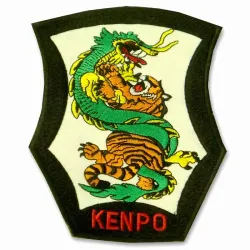
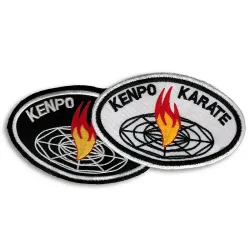
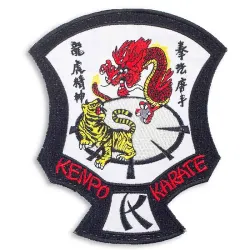
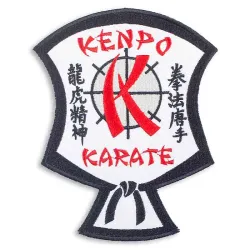
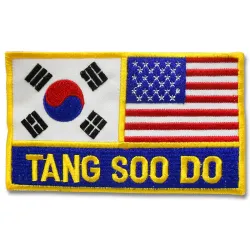
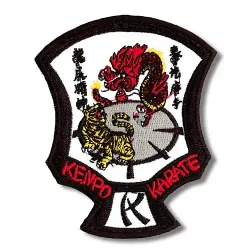
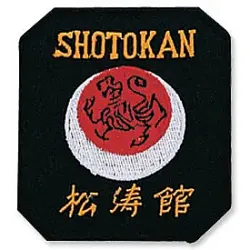
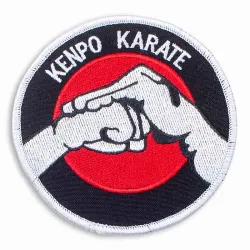
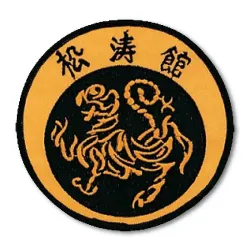
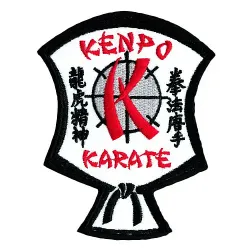
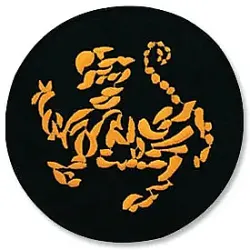
Let's say you're part of a traditional Shotokan dojo. That shotokan patch on your gi? It tells people your foundation is built on discipline, technique, and deep Japanese tradition. If you're throwing powerful strikes in Kenpo Karate, then a clean kenpo patch or kenpo karate patch stitched on your chest shows you're focused on fluid motion and real-world effectiveness. Maybe you're repping Tang Soo Do. We've got a sharp tang soo do patch that captures the Korean roots and spirit of that art.
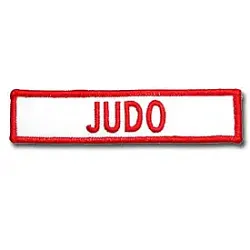
Now if you're into Judo, you already know it's about balance, leverage, and finesse. A judo patch adds that subtle "I can toss you without breaking a sweat" kind of vibe to your uniform. And for those who've taken the Jeet Kune Do path, you'll find a jeet kune do patch that reflects Bruce Lee's iconic philosophy of simplicity and directness.
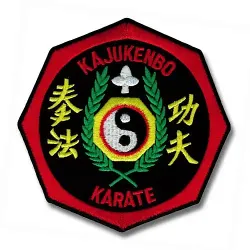
Our collection of martial arts style patches doesn't stop at the major systems. We stock patches for more unique or hybrid styles too, like Kajukenbo, with its no-nonsense, street-ready mindset. The kajukenbo patch gives your gear that edge that shows you train for real situations, not just form. If you're practicing Isshinryu, you'll find an isshinryu patch designed with traditional Okinawan symbols that respect the roots of that style.
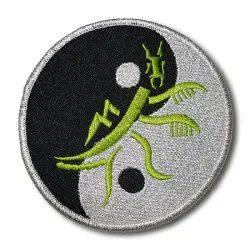
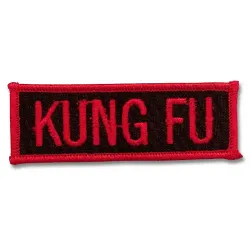
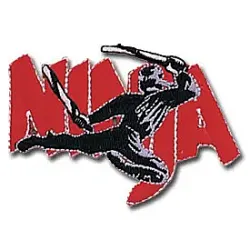
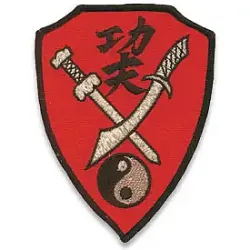
What about Kung Fu? We've got multiple kung fu patches, from styles inspired by the Shaolin Temple to modern interpretations. A shaolin patch or shaolin kempo patch lets people know you're connected to one of the oldest and most respected martial traditions in the world. And if you're going full stealth mode, our ninjitsu patch options are all about that covert warrior aesthetic. They're perfect for practitioners who favor speed, strategy, and unpredictability.
All of our martial arts patches are either iron-on or sew-on, and we clearly list the type on each product page so you know exactly what you're getting. Iron-ons are great when you want something quick and easy, especially on gear bags or training jackets. Sew-ons are the traditional route, perfect for gi tops and uniforms where you want the patch to stay put, even after hundreds of hours of rolling or sparring.
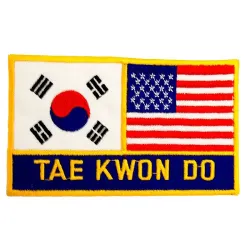
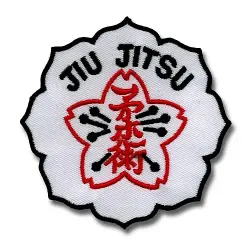
A lot of martial arts schools use martial arts uniform patches to identify rank, style, or affiliation. For example, some karate dojos have custom karate patches for each belt level, while others use them to rep their school's crest or international federation. In taekwondo, patches are often placed on the chest or sleeve to show organizational membership or black belt rank. If you're part of a multi-style school, it's not uncommon to see a combo of patches. Maybe a kenpo patch on one side and a jiu jitsu patch on the other, depending on what you teach or train.
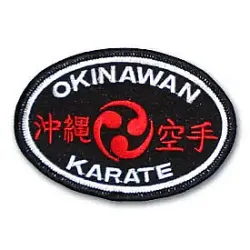
And this isn't just about uniforms. We've seen students and instructors alike build entire stories on their gear bags. One martial artist might have a kung fu patch, a tang soo do patch, and an okinawan karate patch all on the same bag. Each one represents a chapter in their training. Others collect martial arts patches like souvenirs from tournaments, seminars, or trips to Japan, Korea, or China.
At the end of the day, these patches let you carry your martial identity with you. You've put in the hours. You've taken the hits. You've earned the right to represent the styles you've trained in. Whether it's a bold jiu jitsu patch on your back, a clean taekwondo patch on your sleeve, or a classic okinawan karate patch over your heart, you're not just wearing fabric. You're wearing your story.
Patch placement can vary depending on the martial art, the school, and the organization you train under. Common locations include the left or right chest, upper sleeves, back panel, or lower jacket area. Many schools use chest patches to show style or affiliation, while sleeve patches are often reserved for federation logos or rank-related markings.
If your school has specific placement rules, it's always best to follow those first. For independent practitioners or casual training, placement usually comes down to tradition and personal preference. As a general rule, patches should be placed where they're visible, secure, and won't interfere with movement or grip during training.
Yes, many martial arts styles and organizations have their own guidelines for patch placement. Some karate schools specify exact locations for school crests or federation patches, while others allow more flexibility. In taekwondo, patches are often worn on the chest or sleeve to show organizational affiliation or black belt status, especially in tournament settings.
That said, not every school enforces strict rules. Smaller dojos or multi-style schools may allow students to wear patches that represent their background or training history. When in doubt, checking with your instructor is the best way to make sure your patch placement aligns with your school's expectations.
Yes, many martial artists wear patches from multiple styles, especially if they've trained in more than one system. It's common to see practitioners represent different chapters of their training through patches on a uniform, jacket, or gear bag. For instructors or advanced students, wearing multiple patches can reflect a broad training background or the styles they teach.
As always, school guidelines come first. Some traditional schools prefer a cleaner uniform that only displays their own crest or affiliation. Outside of those settings, combining patches is generally accepted and seen as a personal expression of your martial arts journey rather than a breach of etiquette.
The best martial arts patch is one that accurately represents what you train. Start by choosing a patch that matches your primary style, whether that's karate, jiu jitsu, taekwondo, kung fu, or another system. Many patches feature symbols, characters, or design elements that reflect the history and philosophy of that art, so it's worth selecting one that resonates with your training background.
You should also think about how and where you plan to use the patch. A clean, traditional design works well on a gi, while a bolder or more decorative patch may be better suited for a gear bag or jacket. If you train in multiple styles, it's perfectly fine to choose patches that represent each one, as long as they're worn respectfully and in line with any school guidelines you follow.
Iron-on patches have a heat-activated backing that allows you to attach them quickly using a household iron. They're a popular option for gear bags, jackets, or casual training wear where convenience matters. When applied correctly, they hold well, but repeated washing and heavy training can loosen the adhesive over time.
Sew-on patches are the traditional choice for gis and uniforms that see regular use. Stitching the patch in place keeps it secure through intense training, rolling, and frequent washing. If you're putting a patch on a gi top or anything you plan to train in hard, sew-on is usually the most durable and reliable option.
Patches That Represent Your Martial Art
Let's say you're part of a traditional Shotokan dojo. That shotokan patch on your gi? It tells people your foundation is built on discipline, technique, and deep Japanese tradition. If you're throwing powerful strikes in Kenpo Karate, then a clean kenpo patch or kenpo karate patch stitched on your chest shows you're focused on fluid motion and real-world effectiveness. Maybe you're repping Tang Soo Do. We've got a sharp tang soo do patch that captures the Korean roots and spirit of that art.
Now if you're into Judo, you already know it's about balance, leverage, and finesse. A judo patch adds that subtle "I can toss you without breaking a sweat" kind of vibe to your uniform. And for those who've taken the Jeet Kune Do path, you'll find a jeet kune do patch that reflects Bruce Lee's iconic philosophy of simplicity and directness.
Our collection of martial arts style patches doesn't stop at the major systems. We stock patches for more unique or hybrid styles too, like Kajukenbo, with its no-nonsense, street-ready mindset. The kajukenbo patch gives your gear that edge that shows you train for real situations, not just form. If you're practicing Isshinryu, you'll find an isshinryu patch designed with traditional Okinawan symbols that respect the roots of that style.
What about Kung Fu? We've got multiple kung fu patches, from styles inspired by the Shaolin Temple to modern interpretations. A shaolin patch or shaolin kempo patch lets people know you're connected to one of the oldest and most respected martial traditions in the world. And if you're going full stealth mode, our ninjitsu patch options are all about that covert warrior aesthetic. They're perfect for practitioners who favor speed, strategy, and unpredictability.
Iron-On vs Sew-On Martial Arts Patches
All of our martial arts patches are either iron-on or sew-on, and we clearly list the type on each product page so you know exactly what you're getting. Iron-ons are great when you want something quick and easy, especially on gear bags or training jackets. Sew-ons are the traditional route, perfect for gi tops and uniforms where you want the patch to stay put, even after hundreds of hours of rolling or sparring.
How Martial Arts Patches Are Used
A lot of martial arts schools use martial arts uniform patches to identify rank, style, or affiliation. For example, some karate dojos have custom karate patches for each belt level, while others use them to rep their school's crest or international federation. In taekwondo, patches are often placed on the chest or sleeve to show organizational membership or black belt rank. If you're part of a multi-style school, it's not uncommon to see a combo of patches. Maybe a kenpo patch on one side and a jiu jitsu patch on the other, depending on what you teach or train.
And this isn't just about uniforms. We've seen students and instructors alike build entire stories on their gear bags. One martial artist might have a kung fu patch, a tang soo do patch, and an okinawan karate patch all on the same bag. Each one represents a chapter in their training. Others collect martial arts patches like souvenirs from tournaments, seminars, or trips to Japan, Korea, or China.
Wear Your Martial Arts Story
At the end of the day, these patches let you carry your martial identity with you. You've put in the hours. You've taken the hits. You've earned the right to represent the styles you've trained in. Whether it's a bold jiu jitsu patch on your back, a clean taekwondo patch on your sleeve, or a classic okinawan karate patch over your heart, you're not just wearing fabric. You're wearing your story.
Where Do Martial Arts Patches Go on a Gi or Uniform?
Patch placement can vary depending on the martial art, the school, and the organization you train under. Common locations include the left or right chest, upper sleeves, back panel, or lower jacket area. Many schools use chest patches to show style or affiliation, while sleeve patches are often reserved for federation logos or rank-related markings.
If your school has specific placement rules, it's always best to follow those first. For independent practitioners or casual training, placement usually comes down to tradition and personal preference. As a general rule, patches should be placed where they're visible, secure, and won't interfere with movement or grip during training.
Do Different Martial Arts Styles Have Specific Patch Placement Rules?
Yes, many martial arts styles and organizations have their own guidelines for patch placement. Some karate schools specify exact locations for school crests or federation patches, while others allow more flexibility. In taekwondo, patches are often worn on the chest or sleeve to show organizational affiliation or black belt status, especially in tournament settings.
That said, not every school enforces strict rules. Smaller dojos or multi-style schools may allow students to wear patches that represent their background or training history. When in doubt, checking with your instructor is the best way to make sure your patch placement aligns with your school's expectations.
Can I Wear Patches From Multiple Martial Arts Styles at the Same Time?
Yes, many martial artists wear patches from multiple styles, especially if they've trained in more than one system. It's common to see practitioners represent different chapters of their training through patches on a uniform, jacket, or gear bag. For instructors or advanced students, wearing multiple patches can reflect a broad training background or the styles they teach.
As always, school guidelines come first. Some traditional schools prefer a cleaner uniform that only displays their own crest or affiliation. Outside of those settings, combining patches is generally accepted and seen as a personal expression of your martial arts journey rather than a breach of etiquette.
How Do I Choose the Right Martial Arts Patch for My Style?
The best martial arts patch is one that accurately represents what you train. Start by choosing a patch that matches your primary style, whether that's karate, jiu jitsu, taekwondo, kung fu, or another system. Many patches feature symbols, characters, or design elements that reflect the history and philosophy of that art, so it's worth selecting one that resonates with your training background.
You should also think about how and where you plan to use the patch. A clean, traditional design works well on a gi, while a bolder or more decorative patch may be better suited for a gear bag or jacket. If you train in multiple styles, it's perfectly fine to choose patches that represent each one, as long as they're worn respectfully and in line with any school guidelines you follow.
What's the Difference Between Iron-On and Sew-On Martial Arts Patches?
Iron-on patches have a heat-activated backing that allows you to attach them quickly using a household iron. They're a popular option for gear bags, jackets, or casual training wear where convenience matters. When applied correctly, they hold well, but repeated washing and heavy training can loosen the adhesive over time.
Sew-on patches are the traditional choice for gis and uniforms that see regular use. Stitching the patch in place keeps it secure through intense training, rolling, and frequent washing. If you're putting a patch on a gi top or anything you plan to train in hard, sew-on is usually the most durable and reliable option.