September 17th, 2026
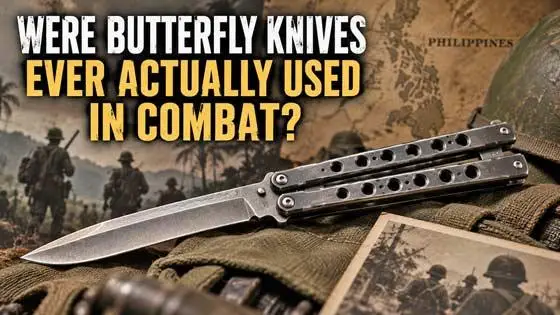
Butterfly knives have one of the most intimidating reputations of any folding knife. Their fast-opening handles, exposed blade, and association with martial arts and action movies make them look like weapons designed specifically for fighting. But the historical record is considerably murkier. The Filipino balisong certainly developed a reputation as a practical weapon, and there are plenty of stories connecting it to soldiers, street fighting, and close-quarters combat. The harder question is whether butterfly knives were actually carried and used as dedicated combat weapons, or whether that reputation grew much larger than the evidence behind it.
September 10th, 2026
A warrior could spend years carrying the same sword, axe, spear, or dagger. It might save his life, become a symbol of his status, pass through countless battles, and eventually become so closely associated with him that it was almost part of his identity. But the moment that warrior died, a surprisingly complicated question appeared: what happened to the weapon? Some were handed to sons and carried by another generation. Others were buried with their owners, offered to the gods, displayed as trophies, stripped for valuable parts, or melted down and turned into something entirely new. Stranger still, some perfectly usable weapons were deliberately bent, broken, burned, or otherwise destroyed before being placed beside the dead. Across different cultures and centuries, what people did with a warrior's weapons after his death can reveal almost as much about them as the battles those weapons were originally made to fight.
September 8th, 2026
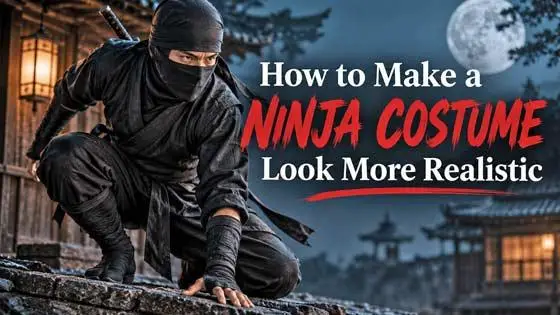
A ninja costume is one of the easiest Halloween costumes to recognize and one of the easiest to accidentally make look cheap. The problem usually is not the basic idea. It is the little things that give the illusion away: shiny fabric, an awkward mask, loose pant legs hanging over modern sneakers, too many mismatched accessories, or a plastic sword strapped onto an otherwise convincing outfit. Fortunately, making a ninja costume look more realistic does not require covering yourself in expensive gear or recreating a museum-perfect historical shinobi. A few changes to the fabric, fit, layers, colors, footwear, and finishing details can transform the same basic outfit from something that looks like a Halloween costume into something that looks like a character who might actually disappear over a rooftop when nobody is watching.
September 8th, 2026
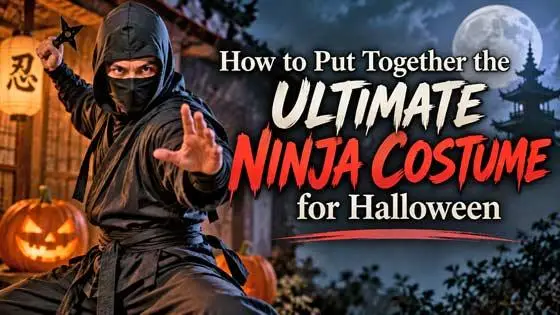
A ninja costume seems simple until you actually try to put together one that looks great. Throw on some black clothes and a mask and people will probably understand what you are supposed to be, but the difference between a last-minute ninja and an unforgettable Halloween costume is all in the details. The good news is that you do not have to stick with the stereotypical black-clad ninja either. Red, white, blue, green, pink, camouflage-inspired, armored, archer-style, and other distinctive ninja looks can completely change the character you create. Whether you want to look like a traditional shadowy shinobi, an ice-cold assassin, a colorful warrior, or something entirely your own, the best ninja costumes are built piece by piece. Here is how to choose the right uniform, mask, footwear, and finishing touches to create the ultimate ninja costume for Halloween.
September 4th, 2026
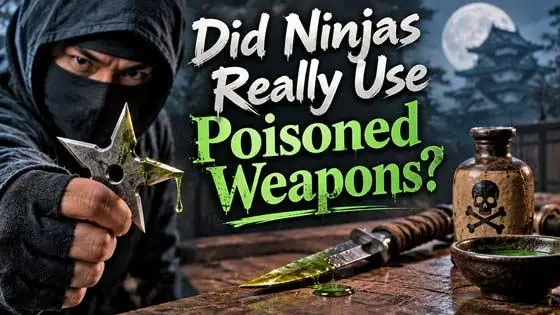
Poison seems almost perfectly suited to the popular image of the ninja. A secretive assassin slips through the darkness, coats a blade or throwing star with something deadly, delivers a tiny wound, and disappears before anyone realizes what happened. Stories have attributed poisoned swords, darts, needles, shuriken, and even contaminated food to shinobi, making poison feel like just another weapon in their mysterious arsenal. But historical Japan already possessed genuine knowledge of toxic plants, medicines, venoms, and dangerous substances, which makes the legend harder to dismiss outright. The real question is not whether poison existed or whether someone could have used it deliberately. It is whether historical ninjas actually poisoned their weapons in the way movies, novels, and modern ninja lore would have us believe.