






Blackjacks, Slapjacks & Other SAP Weapons
-
 🔍︎ QUICK VIEW
$26.95
🔍︎ QUICK VIEW
$26.95 -
 🔍︎ QUICK VIEW
-
 🔍︎ QUICK VIEW
$26.95
🔍︎ QUICK VIEW
$26.95 -
 🔍︎ QUICK VIEW
-
 🔍︎ QUICK VIEW
$26.95
🔍︎ QUICK VIEW
$26.95 -
 🔍︎ QUICK VIEW
$22.95
🔍︎ QUICK VIEW
$22.95 -
 🔍︎ QUICK VIEW
-
 🔍︎ QUICK VIEW
-
 🔍︎ QUICK VIEW
$32.95
🔍︎ QUICK VIEW
$32.95
 (2)
(2)Blackjacks, Slapjacks & Other SAP Weapons
SAP weapons, like blackjacks and slapjacks, have a long and storied history in the world of personal defense, military use, and law enforcement. These compact and powerful weapons are known for their effectiveness in close-quarters combat, ease of concealment, and the unique impact they deliver.
Historically, blackjacks (also referred to as black jack weapons) gained popularity in the 19th and early 20th centuries. Used by police forces in the United States and Europe, these short, leather-covered clubs contained a heavy core, typically made of lead or other dense metals. Their ability to subdue a suspect quickly without inflicting obvious external injuries made them a favored choice for law enforcement. However, due to changing standards and concerns about use-of-force, blackjacks eventually fell out of favor for official use - but their reputation as a formidable self-defense weapon lives on.
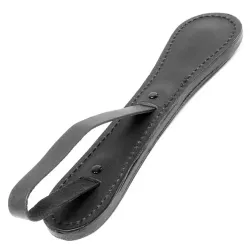
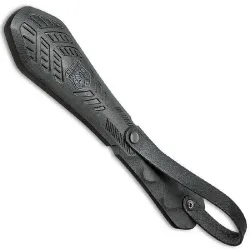
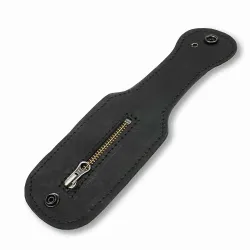
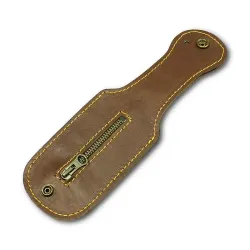
Slapjacks, or slap jacks, are closely related to blackjacks, often distinguished by a flatter, wider design that spreads the impact force over a broader area. This gives the slapjack weapon a slightly different dynamic when used, offering a thudding blow rather than a pinpoint strike. Like their blackjack counterparts, slapjacks were frequently carried by law enforcement and security personnel due to their small size and powerful effect. Constructed of leather and filled with lead, powdered metal, or a similar dense material, these tools could easily be tucked into a coat pocket or belt - ready at a moment's notice. Slapjacks are also known as a flat SAP or a beavertail SAP because of their thin flat appearance. Often favored for covert carry or concealment, flat saps can still deliver a devastating blow due to their weighted ends and flexible leather bodies. These tools maintain the same principles as their historical predecessors but are often modernized with higher quality stitching, materials, and design enhancements for improved durability and performance.
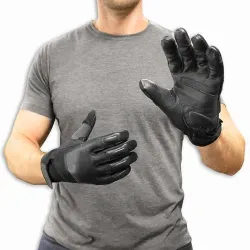
In recent years, innovations in self-defense gear have introduced products like SAP gloves and SAP caps. SAP gloves are discreet self-defense tools that resemble normal tactical gloves but are reinforced with powdered steel or lead shot across the knuckles. When worn, they allow the user to deliver a significantly more forceful punch while still maintaining the look of everyday gear. This makes them particularly appealing for security professionals or individuals who want protection without openly carrying a weapon.
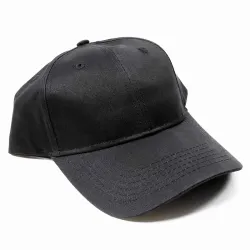
SAP caps offer another low-profile solution. These baseball-style hats include a small, flexible but dense insert in the crown, allowing the user to swing the cap as a blunt-force weapon if needed. While not as common as other sap weapons, the SAP cap represents the same core idea: using compact, easily concealable tools for self-defense in close encounters.
Whether you're interested in a traditional leather sap, a blackjack slapper, or something more discreet like a SAP glove, KarateMart.com offers an excellent selection that balances authenticity, quality, and performance. Many of these weapons are crafted with high-grade leather and time-tested designs that reflect their historical roots, all while being tailored for modern-day use.
As with any personal defense tool, it's important to emphasize responsibility and legality. While sap weapons remain legal in many areas, local and state regulations may restrict the possession or carry of items such as blackjacks, slapjacks, and similar sap weapons. Always consult your local laws before purchasing or carrying any item in this category.
A SAP weapon, also known simply as a "sap," is a compact impact weapon typically made from leather and filled with a heavy material such as lead, steel shot, or powdered metal. Designed for close-quarters self-defense, these tools are capable of delivering concentrated force to an opponent with minimal effort from the user. Their small size makes them easy to carry and conceal, which historically contributed to their popularity among law enforcement officers and private security personnel.
There are several types of sap weapons, including blackjacks, slapjacks, flat saps, and more modern adaptations like SAP gloves and SAP caps. Though designs vary, the core principle remains the same: combine flexibility with dense weight to create a tool that stuns, incapacitates, or deters an attacker.
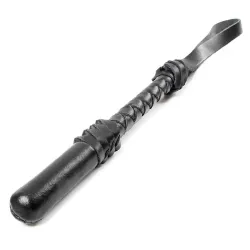
Blackjacks usually have a cylindrical, baton-like shape, with a heavy core attached to a flexible handle. Slapjacks, on the other hand, are typically flat and wider, with the weight distributed across a larger surface area. Flat saps and beavertail saps offer variations in shape and weight distribution but follow the same design philosophy.
SAP weapons are valued for their ability to inflict non-lethal but effective force, often used to incapacitate an aggressor without resorting to more lethal means. In trained hands, a sap can be a powerful defensive tool, targeting areas such as shoulders, limbs, or even muscle groups to disable or discourage an attack.
Due to their effectiveness and concealability, many jurisdictions have enacted laws regarding the possession and use of sap weapons. If you're considering purchasing a blackjack weapon, slap jack, or any other sap weapon, it's essential to understand your local legal restrictions.
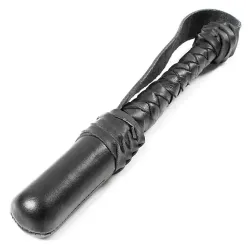
A blackjack is traditionally a short, flexible impact weapon with a weighted head, usually made from leather wrapped around lead or steel. It has a compact striking surface designed to deliver focused force with a small swing. Blackjacks were commonly carried by law enforcement and security personnel because they were easy to conceal and quick to deploy.
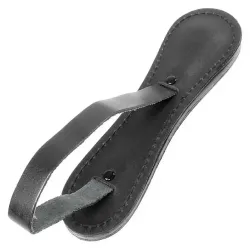
A slapjack is a variation of the blackjack that is flatter and often wider through the striking end. Instead of a rounded head, a slapjack usually has a broad, paddle-like shape. This design spreads impact slightly more across the surface while still retaining significant stopping power. Slapjacks are typically made from layered leather with internal weighting, giving them a flexible, whip-like feel in use.
In practice, both serve the same purpose as compact impact tools. The difference comes down to shape and feel. Blackjacks tend to strike with a more concentrated point of impact, while slapjacks offer a flatter, broader contact area.
SAP gloves are self-defense gloves with weighted padding built into the knuckles or back of the hand. From the outside, they look like ordinary gloves, but inside they contain small steel or composite inserts that add mass to your strike. This added weight allows a punch to deliver more impact without requiring extra force or a wide swing.
The main advantage of SAP gloves is discretion. Because they are worn like normal gloves, they do not draw attention and can be carried in situations where a traditional impact weapon might not be practical. They also keep your hands protected while delivering a more effective strike than an unweighted glove.
SAP gloves are designed to enhance natural hand movements rather than replace them. They work best at close range, where quick, controlled strikes are more realistic than large swings.
A SAP cap is a hat or cap that contains a concealed weighted insert, usually positioned in the crown or brim area. From the outside, it looks like an ordinary piece of headwear, but inside it carries a small steel or composite plate designed to add impact when used defensively. The idea is to provide a discreet option that blends into everyday clothing.
Unlike traditional SAP weapons, a SAP cap is not meant to be swung like a baton. Instead, it can be used to reinforce short-range strikes or defensive movements, adding mass behind otherwise natural motions. This makes it useful in very close quarters where space is limited and larger tools are impractical.
SAP caps appeal to people who want a low-profile option that does not attract attention. They offer a balance between concealment and effectiveness while still functioning as normal headwear when not in use.
SAP weapons are designed for close-range defensive use, where quick, controlled strikes are more realistic than wide swings. Most training focuses on targeting large muscle groups such as the upper arms, shoulders, thighs, and torso. These areas are easier to hit under stress and can disrupt movement without requiring pinpoint accuracy.
Strikes are typically delivered with short, snapping motions rather than full swings. The added weight of a SAP allows even a compact movement to carry meaningful impact. This makes the tool effective in tight spaces like hallways, doorways, or inside a vehicle, where long arcs are not possible.
Any defensive tool should be used with restraint and awareness. The goal is to create an opportunity to break contact and get away, not to escalate a situation or cause unnecessary harm.
SAP weapons are simpler to use than many traditional self-defense tools because they rely on short, natural movements rather than complex techniques. You do not need to learn spinning patterns, draw sequences, or extended forms. A compact strike with a SAP delivers more effect than the same motion with an empty hand, which makes the tool intuitive for most people.
That said, ease of use does not replace good judgment. Without basic understanding, it is easy to misuse any impact tool or escalate a situation unnecessarily. Even a few minutes spent learning proper grip, control, and safe handling can make a meaningful difference in both effectiveness and safety.
Think of SAP weapons as force multipliers, not magic solutions. They are straightforward, but like any defensive tool, they work best when paired with awareness, restraint, and a clear goal of creating space to disengage.
The legality of SAP weapons varies widely by state and even by city. In some areas, owning a SAP, blackjack, or slapjack is legal, while carrying one in public may be restricted or prohibited. Other locations classify these tools as prohibited weapons altogether. Because the rules are not consistent, what is legal in one place may be illegal just a few miles away.
Laws in this area also change over time, and many local ordinances go beyond state law. That means it is always your responsibility to check the regulations that apply where you live and where you plan to carry or use a SAP weapon. Relying on general information from the internet is not a substitute for knowing your local rules.
Most owners use SAP weapons on private property for training or keep them as part of a collection. Treating them as controlled tools rather than everyday carry items helps avoid both legal and safety problems.
For most beginners, a traditional leather sap or slapjack is the easiest place to start. These designs are simple, compact, and intuitive to use. They require no special grip patterns or complex movements, and their flexibility makes short, controlled strikes feel natural even for first-time users.
SAP gloves can also be a good entry option for people who prefer something more discreet. Because they function like normal gloves, they allow beginners to focus on natural hand movements without learning how to draw or swing a separate tool. This makes them appealing for those who want minimal complexity.
What matters most is choosing something that feels comfortable in your hand and easy to control. A beginner benefits far more from a straightforward, well-balanced SAP than from a heavier or more specialized design that demands extra technique or experience.
SAP weapons trace their roots to Europe in the 19th century, where small, weighted impact tools were carried for personal protection and crowd control. Early versions appeared in Britain as "coshes," compact clubs used by law enforcement and watchmen. These tools were designed to be easily concealed while still delivering effective stopping power at close range.
The concept later spread to the United States, where similar designs became known as blackjacks, saps, and slapjacks. They were widely adopted by police officers and security personnel because they were lightweight, discreet, and practical in tight spaces. Unlike long batons, a SAP could be carried in a pocket or on a belt without drawing attention.
Over time, these tools evolved in materials and construction, but the core idea remained the same: a small, flexible impact weapon that could be deployed quickly and controlled easily in close quarters.
Blackjacks became popular with law enforcement because they offered a compact way to apply force without relying on lethal weapons. Their small size made them easy to conceal and carry during long shifts, yet they could be deployed instantly in close quarters. Officers working in crowded environments or tight spaces needed something effective that did not require a wide swing like a baton.
The flexible, weighted design allowed an officer to deliver controlled strikes with minimal motion. This made blackjacks especially useful for subduing resistant individuals, breaking grips, or creating space without escalating directly to firearms. They were also quiet and unobtrusive compared to longer impact tools, which mattered in situations that called for discretion.
Over time, changes in training standards, liability concerns, and use-of-force policies led many departments to move away from blackjacks. Still, their historical popularity reflects how well they balanced portability, control, and effectiveness in real-world policing.
Historically, blackjacks (also referred to as black jack weapons) gained popularity in the 19th and early 20th centuries. Used by police forces in the United States and Europe, these short, leather-covered clubs contained a heavy core, typically made of lead or other dense metals. Their ability to subdue a suspect quickly without inflicting obvious external injuries made them a favored choice for law enforcement. However, due to changing standards and concerns about use-of-force, blackjacks eventually fell out of favor for official use - but their reputation as a formidable self-defense weapon lives on.
Slapjacks and Flat SAP Weapons
Slapjacks, or slap jacks, are closely related to blackjacks, often distinguished by a flatter, wider design that spreads the impact force over a broader area. This gives the slapjack weapon a slightly different dynamic when used, offering a thudding blow rather than a pinpoint strike. Like their blackjack counterparts, slapjacks were frequently carried by law enforcement and security personnel due to their small size and powerful effect. Constructed of leather and filled with lead, powdered metal, or a similar dense material, these tools could easily be tucked into a coat pocket or belt - ready at a moment's notice. Slapjacks are also known as a flat SAP or a beavertail SAP because of their thin flat appearance. Often favored for covert carry or concealment, flat saps can still deliver a devastating blow due to their weighted ends and flexible leather bodies. These tools maintain the same principles as their historical predecessors but are often modernized with higher quality stitching, materials, and design enhancements for improved durability and performance.
Modern SAP Self Defense Options
In recent years, innovations in self-defense gear have introduced products like SAP gloves and SAP caps. SAP gloves are discreet self-defense tools that resemble normal tactical gloves but are reinforced with powdered steel or lead shot across the knuckles. When worn, they allow the user to deliver a significantly more forceful punch while still maintaining the look of everyday gear. This makes them particularly appealing for security professionals or individuals who want protection without openly carrying a weapon.
SAP caps offer another low-profile solution. These baseball-style hats include a small, flexible but dense insert in the crown, allowing the user to swing the cap as a blunt-force weapon if needed. While not as common as other sap weapons, the SAP cap represents the same core idea: using compact, easily concealable tools for self-defense in close encounters.
Choosing the Right SAP Weapon
Whether you're interested in a traditional leather sap, a blackjack slapper, or something more discreet like a SAP glove, KarateMart.com offers an excellent selection that balances authenticity, quality, and performance. Many of these weapons are crafted with high-grade leather and time-tested designs that reflect their historical roots, all while being tailored for modern-day use.
Legal and Safety Considerations
As with any personal defense tool, it's important to emphasize responsibility and legality. While sap weapons remain legal in many areas, local and state regulations may restrict the possession or carry of items such as blackjacks, slapjacks, and similar sap weapons. Always consult your local laws before purchasing or carrying any item in this category.
What is a SAP Weapon?
A SAP weapon, also known simply as a "sap," is a compact impact weapon typically made from leather and filled with a heavy material such as lead, steel shot, or powdered metal. Designed for close-quarters self-defense, these tools are capable of delivering concentrated force to an opponent with minimal effort from the user. Their small size makes them easy to carry and conceal, which historically contributed to their popularity among law enforcement officers and private security personnel.
There are several types of sap weapons, including blackjacks, slapjacks, flat saps, and more modern adaptations like SAP gloves and SAP caps. Though designs vary, the core principle remains the same: combine flexibility with dense weight to create a tool that stuns, incapacitates, or deters an attacker.
Blackjacks usually have a cylindrical, baton-like shape, with a heavy core attached to a flexible handle. Slapjacks, on the other hand, are typically flat and wider, with the weight distributed across a larger surface area. Flat saps and beavertail saps offer variations in shape and weight distribution but follow the same design philosophy.
SAP weapons are valued for their ability to inflict non-lethal but effective force, often used to incapacitate an aggressor without resorting to more lethal means. In trained hands, a sap can be a powerful defensive tool, targeting areas such as shoulders, limbs, or even muscle groups to disable or discourage an attack.
Due to their effectiveness and concealability, many jurisdictions have enacted laws regarding the possession and use of sap weapons. If you're considering purchasing a blackjack weapon, slap jack, or any other sap weapon, it's essential to understand your local legal restrictions.
What's the Difference Between a Blackjack and a Slapjack?
A blackjack is traditionally a short, flexible impact weapon with a weighted head, usually made from leather wrapped around lead or steel. It has a compact striking surface designed to deliver focused force with a small swing. Blackjacks were commonly carried by law enforcement and security personnel because they were easy to conceal and quick to deploy.
A slapjack is a variation of the blackjack that is flatter and often wider through the striking end. Instead of a rounded head, a slapjack usually has a broad, paddle-like shape. This design spreads impact slightly more across the surface while still retaining significant stopping power. Slapjacks are typically made from layered leather with internal weighting, giving them a flexible, whip-like feel in use.
In practice, both serve the same purpose as compact impact tools. The difference comes down to shape and feel. Blackjacks tend to strike with a more concentrated point of impact, while slapjacks offer a flatter, broader contact area.
What Are SAP Gloves and How Do They Work?
SAP gloves are self-defense gloves with weighted padding built into the knuckles or back of the hand. From the outside, they look like ordinary gloves, but inside they contain small steel or composite inserts that add mass to your strike. This added weight allows a punch to deliver more impact without requiring extra force or a wide swing.
The main advantage of SAP gloves is discretion. Because they are worn like normal gloves, they do not draw attention and can be carried in situations where a traditional impact weapon might not be practical. They also keep your hands protected while delivering a more effective strike than an unweighted glove.
SAP gloves are designed to enhance natural hand movements rather than replace them. They work best at close range, where quick, controlled strikes are more realistic than large swings.
What Is a SAP Cap?
A SAP cap is a hat or cap that contains a concealed weighted insert, usually positioned in the crown or brim area. From the outside, it looks like an ordinary piece of headwear, but inside it carries a small steel or composite plate designed to add impact when used defensively. The idea is to provide a discreet option that blends into everyday clothing.
Unlike traditional SAP weapons, a SAP cap is not meant to be swung like a baton. Instead, it can be used to reinforce short-range strikes or defensive movements, adding mass behind otherwise natural motions. This makes it useful in very close quarters where space is limited and larger tools are impractical.
SAP caps appeal to people who want a low-profile option that does not attract attention. They offer a balance between concealment and effectiveness while still functioning as normal headwear when not in use.
Where Should You Strike With a SAP Weapon for Defense?
SAP weapons are designed for close-range defensive use, where quick, controlled strikes are more realistic than wide swings. Most training focuses on targeting large muscle groups such as the upper arms, shoulders, thighs, and torso. These areas are easier to hit under stress and can disrupt movement without requiring pinpoint accuracy.
Strikes are typically delivered with short, snapping motions rather than full swings. The added weight of a SAP allows even a compact movement to carry meaningful impact. This makes the tool effective in tight spaces like hallways, doorways, or inside a vehicle, where long arcs are not possible.
Any defensive tool should be used with restraint and awareness. The goal is to create an opportunity to break contact and get away, not to escalate a situation or cause unnecessary harm.
Are SAP Weapons Easy to Use Without Training?
SAP weapons are simpler to use than many traditional self-defense tools because they rely on short, natural movements rather than complex techniques. You do not need to learn spinning patterns, draw sequences, or extended forms. A compact strike with a SAP delivers more effect than the same motion with an empty hand, which makes the tool intuitive for most people.
That said, ease of use does not replace good judgment. Without basic understanding, it is easy to misuse any impact tool or escalate a situation unnecessarily. Even a few minutes spent learning proper grip, control, and safe handling can make a meaningful difference in both effectiveness and safety.
Think of SAP weapons as force multipliers, not magic solutions. They are straightforward, but like any defensive tool, they work best when paired with awareness, restraint, and a clear goal of creating space to disengage.
Are SAP Weapons Legal to Own or Carry?
The legality of SAP weapons varies widely by state and even by city. In some areas, owning a SAP, blackjack, or slapjack is legal, while carrying one in public may be restricted or prohibited. Other locations classify these tools as prohibited weapons altogether. Because the rules are not consistent, what is legal in one place may be illegal just a few miles away.
Laws in this area also change over time, and many local ordinances go beyond state law. That means it is always your responsibility to check the regulations that apply where you live and where you plan to carry or use a SAP weapon. Relying on general information from the internet is not a substitute for knowing your local rules.
Most owners use SAP weapons on private property for training or keep them as part of a collection. Treating them as controlled tools rather than everyday carry items helps avoid both legal and safety problems.
Which SAP Weapon Is Best for Beginners?
For most beginners, a traditional leather sap or slapjack is the easiest place to start. These designs are simple, compact, and intuitive to use. They require no special grip patterns or complex movements, and their flexibility makes short, controlled strikes feel natural even for first-time users.
SAP gloves can also be a good entry option for people who prefer something more discreet. Because they function like normal gloves, they allow beginners to focus on natural hand movements without learning how to draw or swing a separate tool. This makes them appealing for those who want minimal complexity.
What matters most is choosing something that feels comfortable in your hand and easy to control. A beginner benefits far more from a straightforward, well-balanced SAP than from a heavier or more specialized design that demands extra technique or experience.
Where Did SAP Weapons Originate?
SAP weapons trace their roots to Europe in the 19th century, where small, weighted impact tools were carried for personal protection and crowd control. Early versions appeared in Britain as "coshes," compact clubs used by law enforcement and watchmen. These tools were designed to be easily concealed while still delivering effective stopping power at close range.
The concept later spread to the United States, where similar designs became known as blackjacks, saps, and slapjacks. They were widely adopted by police officers and security personnel because they were lightweight, discreet, and practical in tight spaces. Unlike long batons, a SAP could be carried in a pocket or on a belt without drawing attention.
Over time, these tools evolved in materials and construction, but the core idea remained the same: a small, flexible impact weapon that could be deployed quickly and controlled easily in close quarters.
Why Were Blackjacks Popular With Law Enforcement?
Blackjacks became popular with law enforcement because they offered a compact way to apply force without relying on lethal weapons. Their small size made them easy to conceal and carry during long shifts, yet they could be deployed instantly in close quarters. Officers working in crowded environments or tight spaces needed something effective that did not require a wide swing like a baton.
The flexible, weighted design allowed an officer to deliver controlled strikes with minimal motion. This made blackjacks especially useful for subduing resistant individuals, breaking grips, or creating space without escalating directly to firearms. They were also quiet and unobtrusive compared to longer impact tools, which mattered in situations that called for discretion.
Over time, changes in training standards, liability concerns, and use-of-force policies led many departments to move away from blackjacks. Still, their historical popularity reflects how well they balanced portability, control, and effectiveness in real-world policing.