









 🔍︎ QUICK VIEW
 🔍︎ QUICK VIEW
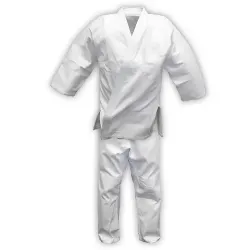
From $59.95
 🔍︎ QUICK VIEW
 🔍︎ QUICK VIEW
$39.95
 🔍︎ QUICK VIEW
 (1)
(1) 🔍︎ QUICK VIEW
$29.95
 🔍︎ QUICK VIEW
$26.95
 🔍︎ QUICK VIEW
 (2)
(2) 🔍︎ QUICK VIEW
$26.95
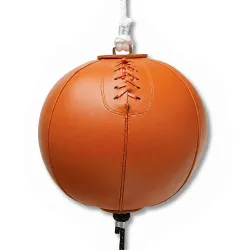 🔍︎ QUICK VIEW
$44.95
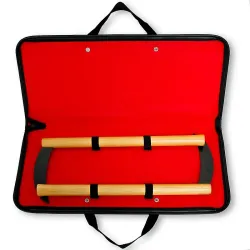 🔍︎ QUICK VIEW
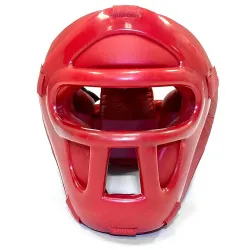 🔍︎ QUICK VIEW
$39.95
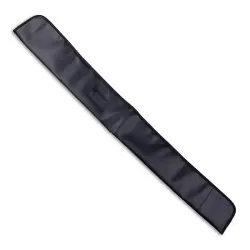 🔍︎ QUICK VIEW
$29.95
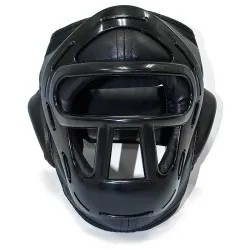 🔍︎ QUICK VIEW
$59.95
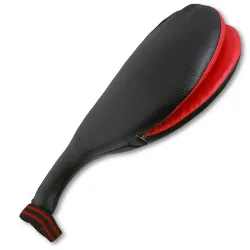 🔍︎ QUICK VIEW
$34.95
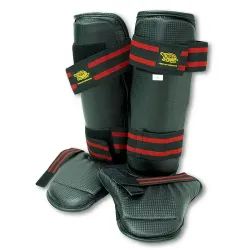 🔍︎ QUICK VIEW
$32.95
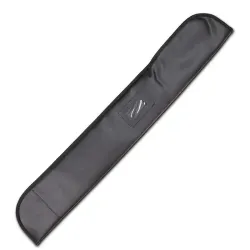 🔍︎ QUICK VIEW
 🔍︎ QUICK VIEW
From $20.95
 🔍︎ QUICK VIEW
$39.95
 🔍︎ QUICK VIEW
$44.95
 🔍︎ QUICK VIEW
Brazilian Jiu-Jitsu Let's Roll Vinyl Decal



Brazilian Jiu-Jitsu Let's Roll Vinyl Decal
Price:
$7.95