




Shinobi Ninja Toy Weapons Set
-

 🔍︎ QUICK VIEW
-
 🔍︎ QUICK VIEW
From $49.95
🔍︎ QUICK VIEW
From $49.95 -
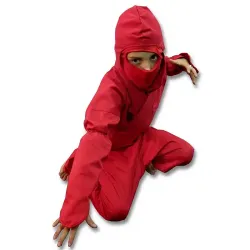 🔍︎ QUICK VIEW
-
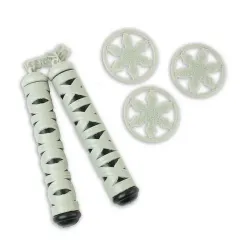 🔍︎ QUICK VIEW
$10.95
🔍︎ QUICK VIEW
$10.95 -
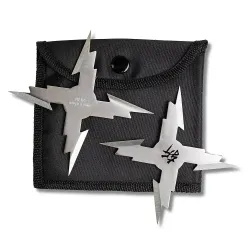 🔍︎ QUICK VIEW
$21.95
🔍︎ QUICK VIEW
$21.95 -
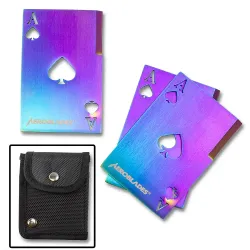 🔍︎ QUICK VIEW
-
 🔍︎ QUICK VIEW
-
 🔍︎ QUICK VIEW
-
 🔍︎ QUICK VIEW
-
 🔍︎ QUICK VIEW
$10.95
🔍︎ QUICK VIEW
$10.95 -
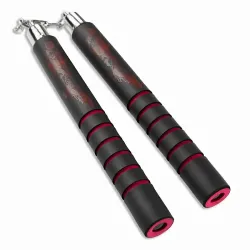 🔍︎ QUICK VIEW
-
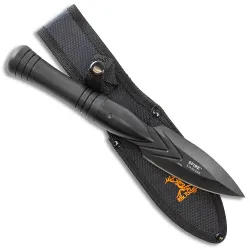 🔍︎ QUICK VIEW
$32.95
🔍︎ QUICK VIEW
$32.95 -
 🔍︎ QUICK VIEW
-
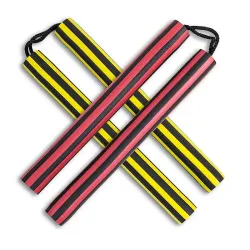 🔍︎ QUICK VIEW
-
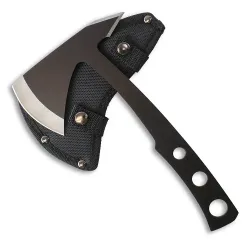 🔍︎ QUICK VIEW
$22.95
🔍︎ QUICK VIEW
$22.95 -
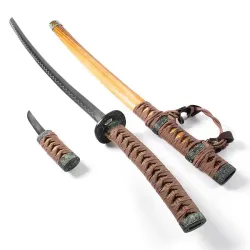 🔍︎ QUICK VIEW
$109.95
🔍︎ QUICK VIEW
$109.95 -
 🔍︎ QUICK VIEW
From $299.95
🔍︎ QUICK VIEW
From $299.95
 (3)
(3) (2)
(2)Shinobi Ninja Toy Weapons Set