




The History of the Kendo Uniform: From Samurai Armor to Modern Training
November 7th, 2025
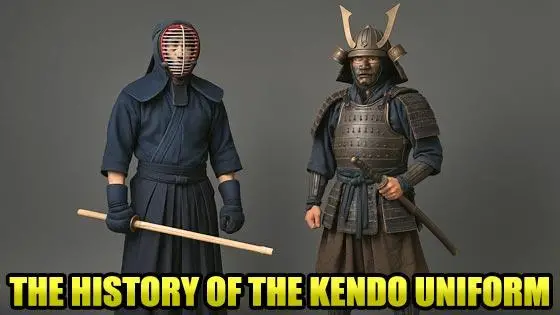
The kendo uniform carries centuries of history, discipline, and craftsmanship. Its roots reach back to Japan's samurai era, when warriors trained in garments designed for strength, mobility, and ceremony. Over time, those same elements evolved into the keikogi and hakama that define modern kendo. While many people recognize the samurai outfit from movies or see replicas as samurai costumes, few understand how those designs influenced today's martial arts clothing. Learning the story behind the kendo uniform reveals how tradition continues to shape every aspect of training in dojos around the world.
The Samurai Roots of the Kendo Uniform
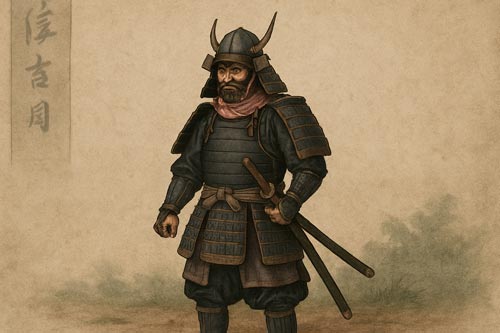
The story of the kendo uniform begins with the samurai, whose armor and layered clothing were designed for both function and ceremony. During Japan's feudal era, warriors wore garments such as the juban shitagi beneath their armor to provide comfort, absorb sweat, and allow a full range of motion. These underlayers were the foundation of what would eventually evolve into the keikogi and hakama used in martial arts today. Over centuries of refinement, the samurai outfit became not only protective but also symbolic, representing discipline, hierarchy, and devotion to the warrior code known as bushido.
While the modern keikogi and hakama are far lighter than the armor of the past, their design still reflects the same balance between strength and respect. The hakama's pleats, for instance, are thought to represent the seven virtues of bushido, reminding practitioners that martial arts training is as much about character as it is about skill. In this way, every kendo uniform still carries echoes of the samurai costume, connecting today's practitioners to centuries of tradition.
From Kenjutsu to Kendo: The Birth of Modern Sword Arts
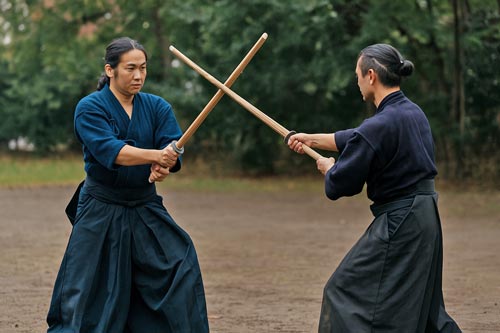
As Japan transitioned from the age of samurai to a more peaceful era, swordsmanship evolved from battlefield technique into a disciplined art form. Kenjutsu, which focused on combat efficiency and real blades, began to emphasize personal growth, etiquette, and precision. This transformation eventually gave rise to kendo, a modern martial art that retained the spirit of the sword while making training safer and more accessible. Practitioners replaced steel blades with bamboo shinai and protective armor, allowing them to train full-speed without risk of injury.
The shift from kenjutsu to kendo also led to changes in what practitioners wore. The heavy armor and layered garments of the samurai gave way to lighter, purpose-built uniforms made for movement and endurance. The keikogi and hakama became the standard attire, reflecting both the discipline and heritage of the sword arts. In every kendo uniform today, the influence of those early warriors can still be seen, connecting modern practice to centuries of martial tradition.
The Keikogi: Strength, Sweat, and Symbolism
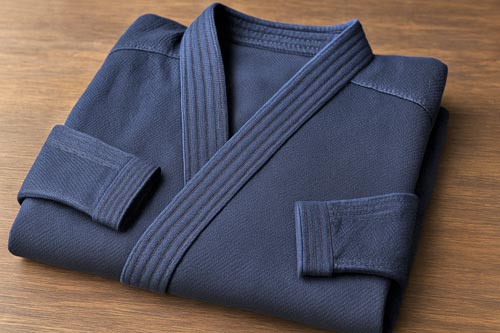
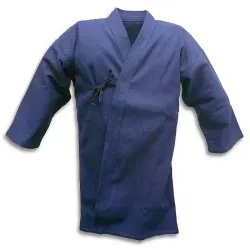
The keikogi, often called a kendo gi or kendogi, is the upper garment of the kendo uniform and one of the most recognizable symbols of Japanese martial arts. Its design dates back to the garments worn by samurai beneath their armor, built to handle long hours of training and intense movement. Traditionally made from thick cotton and dyed with natural indigo, the keikogi absorbs sweat while protecting the skin from the rough interior of the armor. The indigo color also has a practical purpose, helping prevent bacteria growth and giving the uniform its deep, distinctive tone.
Beyond its construction, the keikogi carries symbolic weight. Its heavy weave represents endurance, while its simple form reflects humility and discipline. For many practitioners, putting on the keikogi is more than preparing for practice. It is a mental reset and a reminder of focus and respect for tradition. Whether worn by beginners or masters, the keikogi stands as a bridge between the samurai's past and the martial artist's present.
The Hakama: Discipline in Every Fold
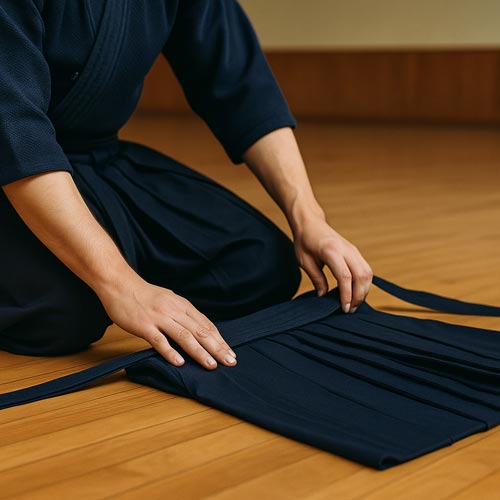
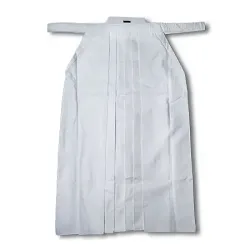
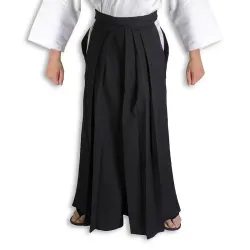
The hakama is one of the most distinctive parts of the kendo uniform, instantly recognizable for its flowing pleats and traditional appearance. Originally worn by samurai, it served as both a functional garment and a symbol of rank and refinement. In kendo, the hakama represents humility and discipline, qualities that are reflected in how it is worn and maintained. Each pleat has meaning, representing virtues such as honesty, respect, and self-control. Keeping these folds straight requires focus and care, reinforcing the same mental discipline practiced during training.
Beyond symbolism, the hakama is designed for movement. The wide legs allow practitioners to glide smoothly across the dojo floor, while the pleats conceal footwork from an opponent's view. Tying the hakama correctly is an art in itself, requiring patience and attention to detail. Many students find that the act of folding it after class becomes a form of meditation. More than any other piece of clothing in kendo, the hakama embodies the connection between tradition, skill, and personal growth.
The Modern Kendo Uniform: Function Meets Tradition
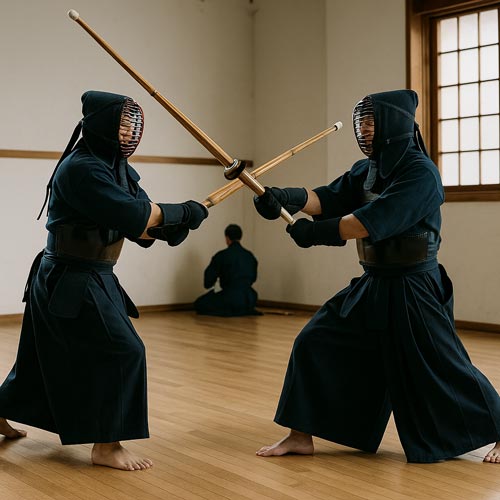
Modern kendo uniforms continue to honor the traditional design of the past while adapting to the needs of today's practitioners. Many keikogi and hakama are still made from cotton, but newer materials such as lightweight synthetics are becoming more common for their durability and quick-drying properties. These innovations make it easier for students to train in warm climates or attend frequent practice sessions without worrying about heavy, sweat-soaked fabric. Despite these updates, the appearance and symbolism of the kendo uniform have changed very little, preserving the respect and discipline at the heart of the art.
In modern dojos, it is common to see a blend of classic and contemporary materials. Some practitioners prefer the deep indigo cotton keikogi for its traditional feel, while others favor modern versions that resist fading and require less maintenance. Regardless of the material, each uniform still represents the same ideals of perseverance and humility. To see traditional and modern examples of this training wear, visit our full selection of kendo uniforms.
Samurai Influence in Today's Dojo
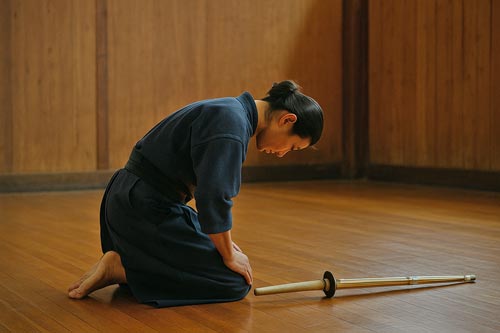
Even in modern times, the presence of the samurai spirit can still be felt in every dojo. The structure of kendo practice, from bowing before entering the training floor to the way the uniform is worn, reflects lessons passed down from Japan's warrior class. The samurai believed that how one presented themselves was as important as skill with the sword. This same belief lives on today through the way practitioners fold their hakama, adjust their keikogi, and carry themselves during training.
Kendo is often described as a path to understanding the mind and body through the sword. The uniform serves as both a symbol and a tool for this pursuit. Wearing the keikogi and hakama connects modern martial artists to centuries of tradition, discipline, and respect. Each movement, whether in sparring or etiquette, honors the samurai who once lived by the same principles. In this way, the dojo becomes more than a training space. It becomes a bridge between past and present.
Conclusion: Tradition Carried Forward
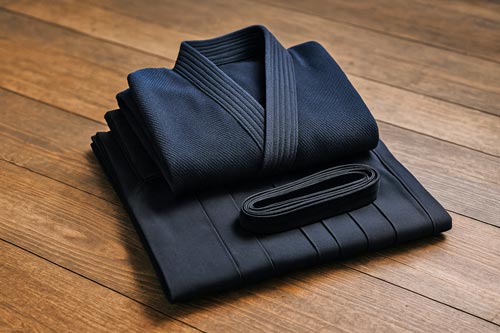
The kendo uniform represents a living connection between modern practitioners and Japan's warrior past. Every stitch and fold reflects a history shaped by discipline, respect, and perseverance. From the practical armor of the samurai to the carefully crafted keikogi and hakama used today, the uniform has always been a symbol of dedication to both the art and the self. Each time a practitioner prepares for training, they continue a legacy that stretches back centuries.
Though today's materials and methods have evolved, the spirit behind them has not. Wearing the kendo uniform is a quiet reminder of humility and focus, a daily act of honoring tradition while striving to improve. It stands as proof that martial arts are not just about combat, but about carrying forward the values that define true mastery.
 🔍︎ QUICK VIEW
$54.95
 🔍︎ QUICK VIEW
$59.95
 🔍︎ QUICK VIEW
$59.95
 🔍︎ QUICK VIEW
$59.95
You May Also Be Interested In:
- What Is Kendo? Beginner Guide to Japanese Sword Training
- What Is a Shinai? Beginner Guide to Kendo Training Swords
- The History of the Bec de Corbin: The Raven Beak That Defeated Plate Armor
- The History of the Poleaxe: The Weapon That Gave Knights an Edge Against Armor
- How to Choose the Right Karate Uniform for Training
- New Lightweight Karate Uniform for the Modern Martial Artist
- The Real History of the Jutte (And Why Samurai Carried It)
- What Is a Kusarigama? History, Uses, and Training Basics
- What Is a Rope Dart? History, Training, and Martial Arts Uses
- What Is a Chain Whip? History, Training, and Martial Arts Uses
Leave a Reply