




Why the Yumi Was More Important Than the Katana
July 31st, 2026
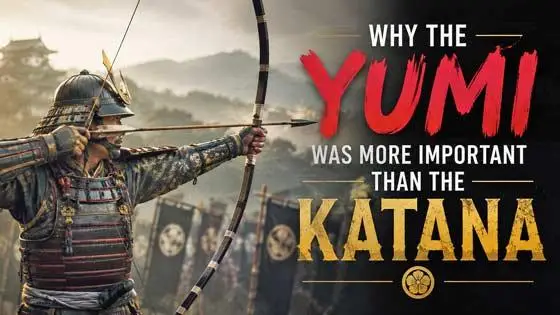
Long before the katana became the defining symbol of the samurai, another weapon ruled Japan's battlefields. The yumi, a towering asymmetrical longbow, gave skilled archers the ability to strike from incredible distances and shape the outcome of battles long before swords ever crossed. For centuries, mastery of the bow was considered one of the greatest marks of a true warrior, and many of Japan's most legendary samurai earned their reputations with arrows rather than blades.
As warfare evolved, the role of the yumi changed, but its influence never disappeared. From mounted archers galloping across open fields to disciplined foot soldiers raining arrows into advancing armies, the bow remained one of the most important military weapons in Japanese history. While the katana eventually captured the world's imagination, the yumi had already helped build the warrior tradition that made the samurai famous.
In this article, we'll explore why the yumi was once considered more valuable than the sword, how it shaped Japanese warfare for centuries, and why one of history's greatest battlefield weapons deserves far more recognition than it receives today.
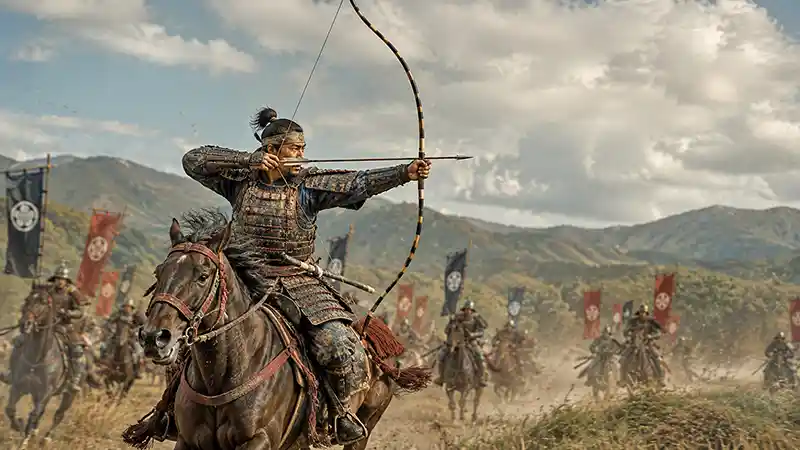
When most people picture a samurai, they imagine a warrior with a sword at his side. Yet for centuries, the weapon that truly defined the samurai was the yumi. Long before the katana became a symbol of Japan's warrior class, skill with the bow was considered one of the highest marks of military excellence. Early samurai earned prestige through archery, not swordsmanship, and many of their greatest victories were won before enemies ever came close enough to draw a blade.
The yumi itself was unlike any bow found elsewhere in the world. Its distinctive asymmetrical shape, with the grip positioned well below the center, allowed it to be used effectively from horseback while also making it practical in a variety of combat situations. Combined with its impressive power and range, the yumi gave Japanese warriors a flexible weapon capable of striking accurately at distances where swords were completely useless.
In the earliest days of the samurai, mounted archers dominated the battlefield. Warriors rode across open ground, firing arrows at enemy commanders, challenging rivals, and weakening opposing forces before close combat began. The sword remained an important backup weapon, but it was the bow that often determined who controlled the battle from the very first exchange.
This emphasis on archery shaped the values of the samurai class. A complete warrior was expected to master horseback riding, accurate shooting, and disciplined composure under pressure. Swordsmanship was only one part of a much broader martial education. In fact, many of the misconceptions surrounding Japanese weapons stem from overlooking just how important the bow once was, much like the myths explored in our article on the biggest myths about samurai swords.
Understanding the yumi's role changes the way we see samurai history. Rather than beginning with legendary swordsmen locked in dramatic duels, the story starts with highly skilled mounted archers whose accuracy, patience, and discipline laid the foundation for Japan's warrior tradition centuries before the katana became famous.
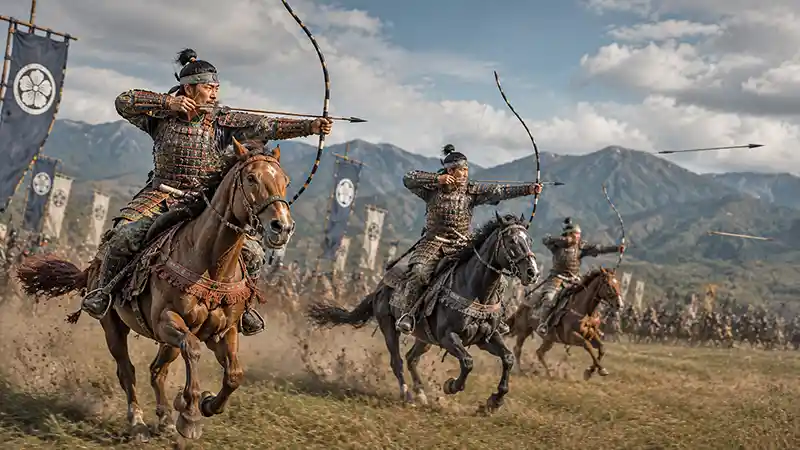
Before massive armies of spearmen marched across Japan, battles were often decided by mounted warriors armed with the yumi. Horseback archery gave samurai a combination of speed, mobility, and striking distance that no melee weapon could match. A skilled rider could gallop across the battlefield, loose arrows with remarkable accuracy, and reposition before an enemy had any opportunity to fight back.
This style of warfare demanded extraordinary skill. Controlling a horse while drawing a tall asymmetrical bow required years of practice, balance, and concentration. Samurai trained relentlessly to fire accurately at full speed, developing techniques that eventually evolved into the martial tradition known as yabusame, where mounted archers demonstrated their precision by striking small wooden targets while galloping past them.
Mounted archery also changed battlefield tactics. Rather than rushing directly into close combat, opposing forces often exchanged volleys of arrows first, attempting to wound enemy commanders, weaken formations, or force mistakes before committing to a charge. These opening exchanges could determine the course of an entire battle long before swords or spears came into play.
As warfare became larger and more organized, new weapons such as the yari gradually became better suited to disciplined infantry formations. Even so, the traditions established by mounted archers remained deeply woven into samurai culture, and mastery of the bow continued to be regarded as one of a warrior's greatest accomplishments.
The image of a lone samurai drawing a towering yumi from horseback is more than just an impressive display of athleticism. It represents an era when mobility, precision, and patience mattered more than close-quarters sword fighting, reminding us that Japan's earliest military heroes earned their reputations with arrows long before they became legends with blades.
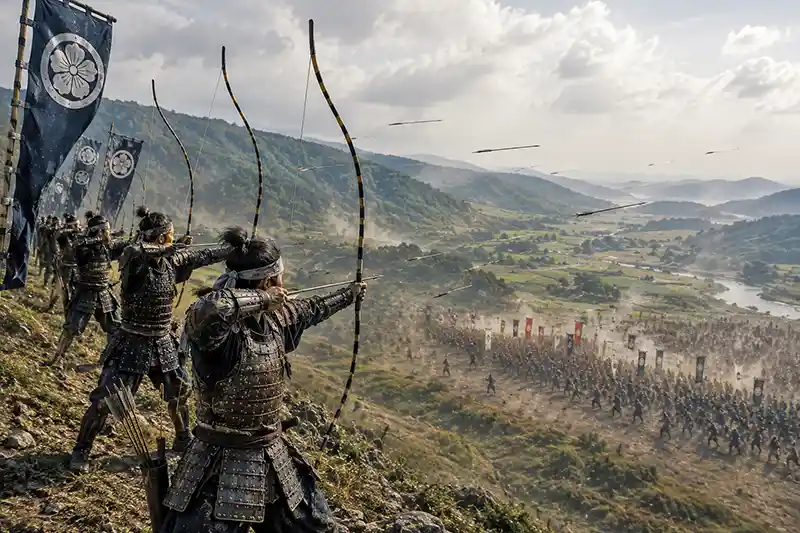
No matter how sharp or well-crafted a sword might be, it could never compete with the reach of a bow. The yumi allowed skilled archers to strike opponents from well over a hundred yards away, with experienced warriors capable of shooting even farther under favorable conditions. That enormous advantage meant a battle could begin long before enemy soldiers were close enough to swing a blade.
Range did more than inflict casualties. It gave commanders the ability to shape the battlefield itself. Archers could harass advancing troops, force cavalry to change direction, and target officers carrying banners or issuing commands. Even when arrows failed to kill, they disrupted formations and lowered morale before the first hand-to-hand engagement ever took place.
The yumi also gave samurai valuable flexibility. Mounted archers could ride within range, loose several arrows, then withdraw before an enemy could respond. On foot, disciplined archers could fire coordinated volleys that softened enemy lines before spearmen advanced to finish the fight. This combination of ranged and melee tactics became one of the defining features of Japanese warfare for centuries.
As armies grew larger, weapons such as the naginata and later the spear became increasingly important once opposing forces closed the distance. Even so, the opening moments of many battles still belonged to the bow. A well-placed volley could alter the course of a fight before swords, spears, or polearms ever came into play.
The popularity of the katana has led many people to believe that close combat defined the samurai. In reality, the warrior who could strike accurately from a safe distance often held the greatest advantage. The yumi demonstrated a timeless battlefield principle that remains true today: the farther away you can engage an opponent effectively, the more control you have over the outcome of the fight.
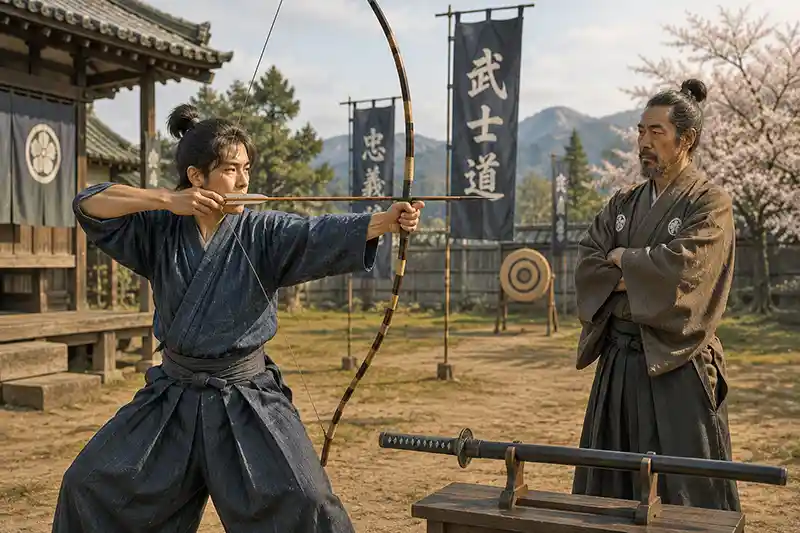
For much of Japan's early warrior history, archery was not treated as a secondary skill. It was one of the foundations of samurai training. A young warrior had to learn how to control a horse, judge distance, remain steady under pressure, and release an arrow with precision. Those abilities demanded patience and discipline long before swordsmanship entered the picture.
The bow also taught skills that transferred directly to other forms of combat. Reading an opponent, controlling breathing, choosing the right moment to act, and staying calm while moving at speed were all essential to survival. A warrior who mastered those lessons with the yumi developed the composure needed to handle a spear or sword more effectively later.
This training reflected the realities of early warfare. A samurai who could strike an enemy from a distance had a far better chance of surviving than one who relied only on close combat. The sword was important when battles collapsed into chaos, but it was often the final weapon used, not the first. For many generations, archery defined what it meant to be a complete mounted warrior.
That history helps explain why the earliest samurai swords were shaped around mounted combat. Blades such as the tachi were worn edge-down and designed to be drawn from horseback, serving as practical backup weapons when an archer could no longer rely on the bow.
The later obsession with the katana has reversed this order in the popular imagination. Movies often show samurai beginning as swordsmen and treating archery as an optional specialty. Historically, the bow came first. It taught the distance, timing, balance, and self-control that helped shape the entire samurai tradition.
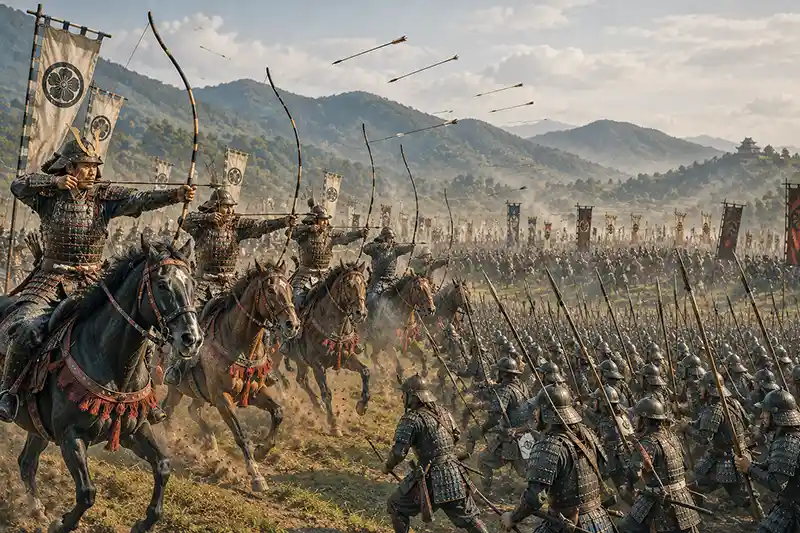
The yumi earned its legendary reputation because it repeatedly proved its value in real warfare. During Japan's early feudal period, battles often opened with waves of mounted archers attempting to weaken the enemy before close combat began. Skilled samurai used the bow to strike officers, disrupt formations, and force opposing armies to react long before swords or spears entered the fight.
One of the most famous examples came during the Genpei War in the late twelfth century. Samurai from the rival Taira and Minamoto clans relied heavily on mounted archery, and many of the conflict's most celebrated stories center on remarkable feats with the yumi rather than duels with swords. These battles helped establish the bow as the defining weapon of Japan's warrior elite for generations to come.
As military tactics evolved, armies became larger and more disciplined. Spears such as the yari gradually took over the role of controlling the battlefield once opposing forces collided, while bows continued to soften enemy lines before the main engagement. Rather than replacing one another, the yumi and yari complemented each other, creating a devastating combination of ranged and close-range combat.
Even after firearms appeared in Japan during the sixteenth century, the yumi did not disappear overnight. Many commanders continued to value skilled archers because bows could be fired more quickly than early matchlock guns, worked reliably in wet weather, and required no gunpowder. For decades, archers, spearmen, and gunners fought side by side as warfare continued to evolve.
The history of the yumi reminds us that the best battlefield weapons are not always the most famous. Before the katana became the enduring symbol of the samurai, generations of warriors had already demonstrated that patience, accuracy, and superior range could decide the fate of entire armies.
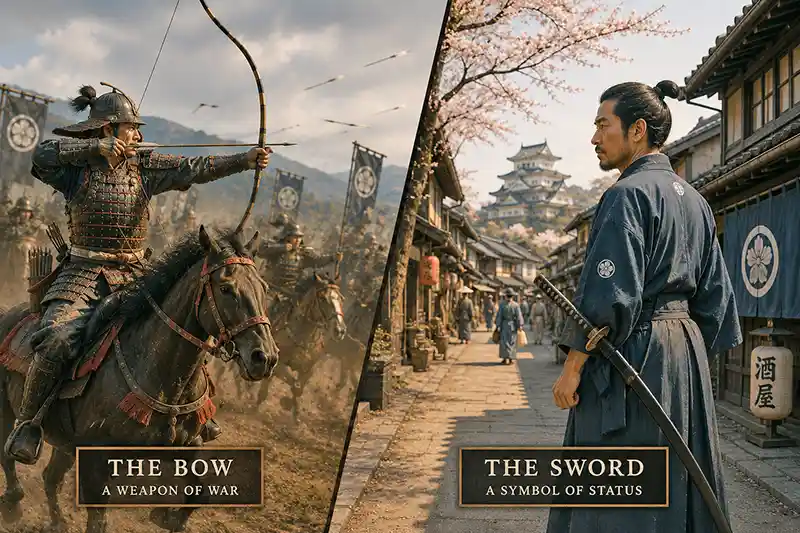
The yumi remained one of Japan's most important weapons for centuries, but it was the katana that eventually became inseparable from the image of the samurai. This shift did not happen because the bow suddenly became ineffective. It happened because the role of the samurai changed as Japan moved away from constant warfare and into the long peace of the Edo period.
A bow was a battlefield weapon. It required space, arrows, specialized training, and often a horse to reach its full potential. The katana was far more practical in daily life. It could be worn through towns, carried into government buildings, displayed during formal occasions, and passed down as a family heirloom. Even when a samurai never fought a battle, the sword remained visible at his side as a sign of rank and identity.
The katana also proved easier to turn into a cultural symbol. Stories about a lone swordsman, a perfect blade, or a dramatic duel were more intimate than accounts of distant volleys and coordinated archery. Over time, theater, literature, artwork, and later film transformed the sword into a symbol of honor, discipline, and personal mastery.
That symbolism often hides the broader reality of samurai warfare. The bow, spear, and other long-reaching weapons usually offered greater advantages during actual battles. The katana became more famous because it survived beyond the battlefield and remained part of the samurai's public identity during centuries of relative peace.
The rise of the sword as a symbol did not erase the yumi's importance. It simply changed how later generations remembered the samurai. The katana represented what the warrior class became, while the yumi represented what it had originally been: a mounted military elite built around horsemanship, distance, and deadly precision.
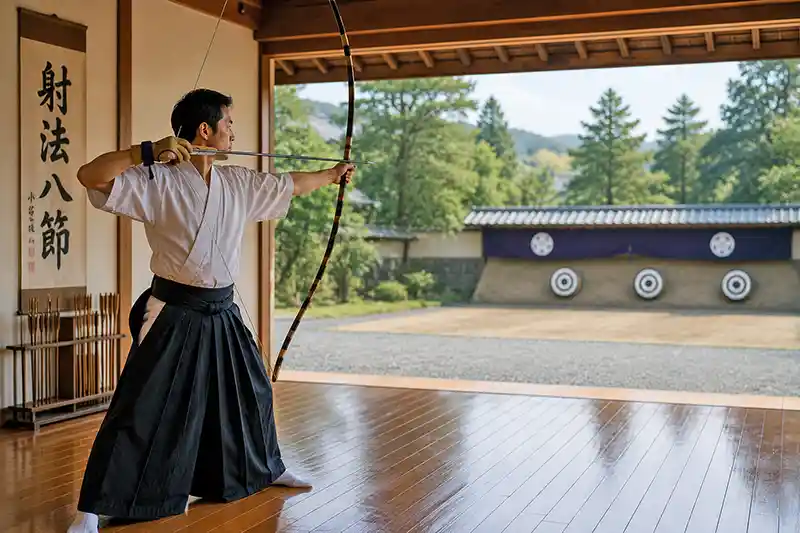
Although the yumi eventually disappeared from the battlefield, it never disappeared from Japanese culture. Instead, its role evolved into the martial art of kyudo, often translated as "the Way of the Bow." Rather than focusing solely on hitting a target, kyudo emphasizes discipline, balance, posture, breathing, and mental clarity. In many ways, it preserves the same qualities that once made the bow so important to the samurai.
Unlike modern target archery, kyudo treats every shot as a complete sequence of deliberate movements. The archer's stance, the way the bow is raised, the draw, the release, and even the moments after the arrow leaves the string are all considered equally important. A perfect shot is measured not only by accuracy but also by the calm precision with which it is performed.
The traditional yumi remains one of the most distinctive bows ever created. Its grip sits well below the center, giving the upper limb a much longer profile than the lower one. This unusual design, refined over centuries, allows the bow to perform efficiently while accommodating the shooting techniques that developed alongside Japanese martial traditions.
Today, practitioners around the world continue to study kyudo as both a martial art and a form of personal development. Just as students use wooden swords or foam practice swords to safely learn the principles of swordsmanship, kyudo practitioners use traditional equipment to preserve techniques that once played a vital role on Japan's battlefields.
The continued practice of kyudo is a reminder that the yumi's story did not end when firearms replaced bows in war. Its greatest legacy may not be the battles it helped win, but the discipline, focus, and respect for tradition that it continues to inspire centuries later.
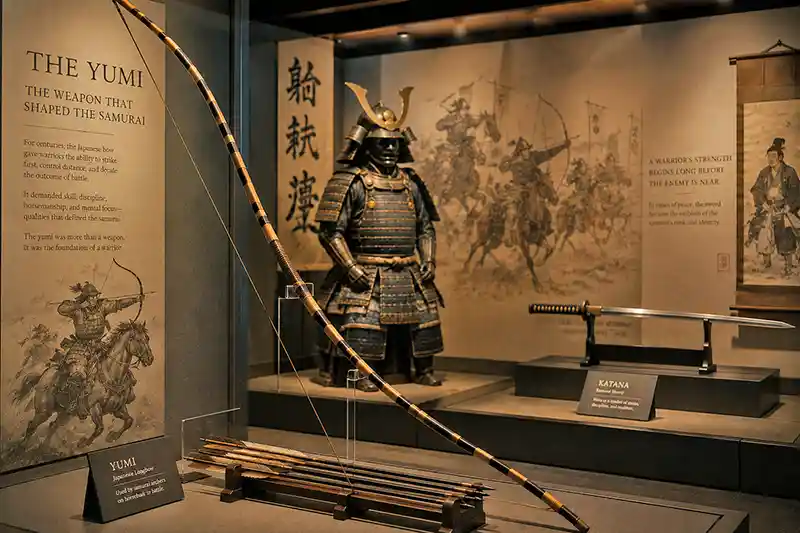
The katana may be the most famous weapon associated with the samurai, but fame does not always reflect historical importance. For centuries, the yumi gave Japanese warriors the ability to strike first, control distance, and weaken an enemy before close combat began. In many periods of samurai history, that made the bow far more valuable than any sword.
The yumi also demanded a broader range of skills. A mounted archer had to control a horse, judge speed and distance, manage limited ammunition, and release accurately while moving across uneven ground. Swordsmanship required courage and precision, but mounted archery combined those qualities with balance, timing, and battlefield awareness at a completely different scale.
Its importance can be seen in the way early samurai were described and celebrated. They were not simply swordsmen. They were mounted warriors whose identities were closely tied to the bow and horse. The later rise of the katana as a cultural symbol has obscured that history, leaving many people with a distorted picture of how samurai actually fought.
That does not diminish the craftsmanship or significance of samurai swords. The sword became an enduring symbol of rank, discipline, and tradition for good reason. But the yumi tells an older story, one rooted in the realities of battle rather than the legends that grew during centuries of peace.
The bow helped create the samurai long before the sword came to represent them. It shaped their training, tactics, values, and reputation as warriors. The katana became the symbol the world remembers, but the yumi was one of the weapons that made that symbol possible in the first place.
History rarely remembers the weapon that won the most battles. More often, it remembers the weapon that became the strongest symbol. The katana earned its legendary status through centuries of craftsmanship, tradition, and storytelling, but the yumi reminds us that the realities of warfare were often very different from the legends that followed.
The same pattern appears throughout Japanese history. Weapons evolved as battlefields changed, with the bow giving way to the spear in large infantry formations before the sword eventually became the enduring emblem of the samurai. Understanding that progression paints a far richer picture of Japan's military past than focusing on a single iconic weapon ever could.
The next time you see a samurai portrayed with nothing more than a sword, remember that generations of warriors built their reputations with bows long before the katana became famous. The towering yumi shaped battles, influenced tactics, and helped establish the warrior traditions that later defined the samurai class. Without it, the history of Japan would have looked very different.
Today, the yumi deserves to stand alongside the katana, the sai, the jutte, and other legendary Japanese weapons as one of the tools that helped shape an entire civilization. It may not receive the same attention in movies or popular culture, but its impact on Japanese warfare is impossible to overlook once you understand the full story.
For anyone interested in Japanese history, the yumi offers an important lesson: the most famous weapon is not always the one that mattered most. Sometimes the greatest influence belongs to the weapon that history quietly left standing in the background.
The yumi has an unusual asymmetrical design, with the grip positioned well below the center of the bow. Historians continue to debate exactly why this design developed, but it likely offered several advantages. It made the bow easier to use from horseback, helped clear the horse's body during the draw, and provided a smooth, efficient shooting motion that became central to Japanese archery traditions.
This distinctive shape also makes the yumi instantly recognizable today. While most bows around the world are symmetrical, the Japanese longbow evolved into a unique design that reflected the specific needs of samurai warfare and centuries of refinement by skilled bow makers.
Yes, many samurai carried both, but they were used for very different purposes. The yumi was often the primary weapon during the opening stages of battle, allowing warriors to engage enemies from a distance while mounted or on foot. The katana served as a dependable backup when the fighting moved into close quarters or when an archer could no longer use the bow effectively.
This combination reflected the practical nature of samurai warfare. Rather than relying on a single weapon, experienced warriors chose the right tool for each stage of combat. The bow offered range and battlefield control, while the sword provided versatility once opponents closed the distance. Together, they formed one of the most effective weapon pairings in Japanese military history.
Yes, under the right conditions. A powerful yumi firing a well-made war arrow could penetrate lighter armor or exploit vulnerable areas such as the throat, face, armpits, and gaps between armor plates. Like most military archers throughout history, samurai aimed for these weak points rather than trying to punch directly through the strongest parts of an opponent's armor.
Even when an arrow failed to penetrate completely, it could still wound, knock a warrior from his horse, or reduce his ability to fight. The yumi's greatest strength was not simply its power, but its ability to injure or disrupt an enemy from a safe distance, often changing the course of a battle before swords were ever drawn.
The maximum range of a yumi depended on the bow, the arrow, and the skill of the archer, but experienced samurai could accurately engage targets well over 100 yards away. In ideal conditions, arrows could travel several hundred yards, although extreme distances were generally used to harass enemy formations rather than make precise shots.
On the battlefield, accuracy mattered far more than maximum range. Samurai were trained to judge distance, timing, and elevation so they could strike enemy officers, mounted warriors, or advancing troops before they came within melee range. That ability to deliver accurate fire from afar was one of the main reasons the yumi remained Japan's premier battlefield weapon for centuries.
Although matchlock firearms changed Japanese warfare, they did not make the yumi obsolete overnight. Early guns were slow to reload, vulnerable to wet weather, and produced thick clouds of smoke that could reduce visibility. Skilled archers could often shoot more quickly and continue fighting under conditions where firearms were less reliable, making the two weapons effective companions on the battlefield.
For decades, Japanese armies used bows, firearms, and spears together rather than choosing one over the others. Commanders selected the weapon that best suited the terrain, the weather, and the tactical situation. The yumi gradually declined only as firearms became more dependable and military tactics evolved, proving that even revolutionary technology rarely replaces an established weapon overnight.
Yes. In addition to its military role, the yumi was commonly used for hunting deer, boar, birds, and other game. Hunting helped samurai sharpen the same skills they relied on in battle, including patience, distance estimation, accuracy, and the ability to remain calm under pressure. It was both practical training and a source of food.
Many of the techniques developed while hunting carried directly onto the battlefield. A warrior who could consistently hit a moving animal from a distance was far better prepared to strike an enemy rider or officer during combat.
Not necessarily. The English longbow generally produced greater raw power and was designed to launch heavy arrows over long distances against armored opponents. The yumi, however, was optimized for Japanese warfare, where mounted archery, mobility, and precision played a much larger role. Each bow reflected the tactics and military traditions of the culture that developed it.
Rather than asking which bow was "better," historians usually compare how effectively each weapon served its own battlefield. Both became legendary because they perfectly matched the needs of the warriors who used them.
A traditional yumi typically measured between 6?? and 8 feet long, making it one of the tallest bows ever used in warfare. Its impressive length helped generate power while allowing the smooth draw that became a hallmark of Japanese archery. The asymmetrical grip gave the bow its distinctive appearance and made it easier to use from horseback.
Despite its size, experienced archers learned to handle the yumi with remarkable speed and precision. Its unusual proportions became one of the defining characteristics of Japan's martial traditions.
For much of Japanese history, archery was considered a fundamental samurai skill, and many warriors began training with the yumi from a young age. Mastery varied from person to person, but proficiency with the bow was widely respected and often expected, especially during periods when mounted archery dominated warfare.
As military tactics changed and firearms became more common, swordsmanship and other weapons received greater emphasis. Even so, the yumi remained an important part of traditional martial education and continued to symbolize discipline, patience, and precision.
In this article, we'll explore why the yumi was once considered more valuable than the sword, how it shaped Japanese warfare for centuries, and why one of history's greatest battlefield weapons deserves far more recognition than it receives today.
The Yumi Was the Samurai's First Great Weapon
When most people picture a samurai, they imagine a warrior with a sword at his side. Yet for centuries, the weapon that truly defined the samurai was the yumi. Long before the katana became a symbol of Japan's warrior class, skill with the bow was considered one of the highest marks of military excellence. Early samurai earned prestige through archery, not swordsmanship, and many of their greatest victories were won before enemies ever came close enough to draw a blade.
The yumi itself was unlike any bow found elsewhere in the world. Its distinctive asymmetrical shape, with the grip positioned well below the center, allowed it to be used effectively from horseback while also making it practical in a variety of combat situations. Combined with its impressive power and range, the yumi gave Japanese warriors a flexible weapon capable of striking accurately at distances where swords were completely useless.
In the earliest days of the samurai, mounted archers dominated the battlefield. Warriors rode across open ground, firing arrows at enemy commanders, challenging rivals, and weakening opposing forces before close combat began. The sword remained an important backup weapon, but it was the bow that often determined who controlled the battle from the very first exchange.
This emphasis on archery shaped the values of the samurai class. A complete warrior was expected to master horseback riding, accurate shooting, and disciplined composure under pressure. Swordsmanship was only one part of a much broader martial education. In fact, many of the misconceptions surrounding Japanese weapons stem from overlooking just how important the bow once was, much like the myths explored in our article on the biggest myths about samurai swords.
Understanding the yumi's role changes the way we see samurai history. Rather than beginning with legendary swordsmen locked in dramatic duels, the story starts with highly skilled mounted archers whose accuracy, patience, and discipline laid the foundation for Japan's warrior tradition centuries before the katana became famous.
Why Mounted Archery Dominated Early Japanese Warfare
Before massive armies of spearmen marched across Japan, battles were often decided by mounted warriors armed with the yumi. Horseback archery gave samurai a combination of speed, mobility, and striking distance that no melee weapon could match. A skilled rider could gallop across the battlefield, loose arrows with remarkable accuracy, and reposition before an enemy had any opportunity to fight back.
This style of warfare demanded extraordinary skill. Controlling a horse while drawing a tall asymmetrical bow required years of practice, balance, and concentration. Samurai trained relentlessly to fire accurately at full speed, developing techniques that eventually evolved into the martial tradition known as yabusame, where mounted archers demonstrated their precision by striking small wooden targets while galloping past them.
Mounted archery also changed battlefield tactics. Rather than rushing directly into close combat, opposing forces often exchanged volleys of arrows first, attempting to wound enemy commanders, weaken formations, or force mistakes before committing to a charge. These opening exchanges could determine the course of an entire battle long before swords or spears came into play.
As warfare became larger and more organized, new weapons such as the yari gradually became better suited to disciplined infantry formations. Even so, the traditions established by mounted archers remained deeply woven into samurai culture, and mastery of the bow continued to be regarded as one of a warrior's greatest accomplishments.
The image of a lone samurai drawing a towering yumi from horseback is more than just an impressive display of athleticism. It represents an era when mobility, precision, and patience mattered more than close-quarters sword fighting, reminding us that Japan's earliest military heroes earned their reputations with arrows long before they became legends with blades.
How the Yumi Outranged Every Sword
No matter how sharp or well-crafted a sword might be, it could never compete with the reach of a bow. The yumi allowed skilled archers to strike opponents from well over a hundred yards away, with experienced warriors capable of shooting even farther under favorable conditions. That enormous advantage meant a battle could begin long before enemy soldiers were close enough to swing a blade.
Range did more than inflict casualties. It gave commanders the ability to shape the battlefield itself. Archers could harass advancing troops, force cavalry to change direction, and target officers carrying banners or issuing commands. Even when arrows failed to kill, they disrupted formations and lowered morale before the first hand-to-hand engagement ever took place.
The yumi also gave samurai valuable flexibility. Mounted archers could ride within range, loose several arrows, then withdraw before an enemy could respond. On foot, disciplined archers could fire coordinated volleys that softened enemy lines before spearmen advanced to finish the fight. This combination of ranged and melee tactics became one of the defining features of Japanese warfare for centuries.
As armies grew larger, weapons such as the naginata and later the spear became increasingly important once opposing forces closed the distance. Even so, the opening moments of many battles still belonged to the bow. A well-placed volley could alter the course of a fight before swords, spears, or polearms ever came into play.
The popularity of the katana has led many people to believe that close combat defined the samurai. In reality, the warrior who could strike accurately from a safe distance often held the greatest advantage. The yumi demonstrated a timeless battlefield principle that remains true today: the farther away you can engage an opponent effectively, the more control you have over the outcome of the fight.
Why Samurai Trained With the Bow Before the Sword
For much of Japan's early warrior history, archery was not treated as a secondary skill. It was one of the foundations of samurai training. A young warrior had to learn how to control a horse, judge distance, remain steady under pressure, and release an arrow with precision. Those abilities demanded patience and discipline long before swordsmanship entered the picture.
The bow also taught skills that transferred directly to other forms of combat. Reading an opponent, controlling breathing, choosing the right moment to act, and staying calm while moving at speed were all essential to survival. A warrior who mastered those lessons with the yumi developed the composure needed to handle a spear or sword more effectively later.
This training reflected the realities of early warfare. A samurai who could strike an enemy from a distance had a far better chance of surviving than one who relied only on close combat. The sword was important when battles collapsed into chaos, but it was often the final weapon used, not the first. For many generations, archery defined what it meant to be a complete mounted warrior.
That history helps explain why the earliest samurai swords were shaped around mounted combat. Blades such as the tachi were worn edge-down and designed to be drawn from horseback, serving as practical backup weapons when an archer could no longer rely on the bow.
The later obsession with the katana has reversed this order in the popular imagination. Movies often show samurai beginning as swordsmen and treating archery as an optional specialty. Historically, the bow came first. It taught the distance, timing, balance, and self-control that helped shape the entire samurai tradition.
The Battles That Proved the Power of the Yumi
The yumi earned its legendary reputation because it repeatedly proved its value in real warfare. During Japan's early feudal period, battles often opened with waves of mounted archers attempting to weaken the enemy before close combat began. Skilled samurai used the bow to strike officers, disrupt formations, and force opposing armies to react long before swords or spears entered the fight.
One of the most famous examples came during the Genpei War in the late twelfth century. Samurai from the rival Taira and Minamoto clans relied heavily on mounted archery, and many of the conflict's most celebrated stories center on remarkable feats with the yumi rather than duels with swords. These battles helped establish the bow as the defining weapon of Japan's warrior elite for generations to come.
As military tactics evolved, armies became larger and more disciplined. Spears such as the yari gradually took over the role of controlling the battlefield once opposing forces collided, while bows continued to soften enemy lines before the main engagement. Rather than replacing one another, the yumi and yari complemented each other, creating a devastating combination of ranged and close-range combat.
Even after firearms appeared in Japan during the sixteenth century, the yumi did not disappear overnight. Many commanders continued to value skilled archers because bows could be fired more quickly than early matchlock guns, worked reliably in wet weather, and required no gunpowder. For decades, archers, spearmen, and gunners fought side by side as warfare continued to evolve.
The history of the yumi reminds us that the best battlefield weapons are not always the most famous. Before the katana became the enduring symbol of the samurai, generations of warriors had already demonstrated that patience, accuracy, and superior range could decide the fate of entire armies.
Why the Katana Eventually Replaced the Bow as the Samurai's Symbol
The yumi remained one of Japan's most important weapons for centuries, but it was the katana that eventually became inseparable from the image of the samurai. This shift did not happen because the bow suddenly became ineffective. It happened because the role of the samurai changed as Japan moved away from constant warfare and into the long peace of the Edo period.
A bow was a battlefield weapon. It required space, arrows, specialized training, and often a horse to reach its full potential. The katana was far more practical in daily life. It could be worn through towns, carried into government buildings, displayed during formal occasions, and passed down as a family heirloom. Even when a samurai never fought a battle, the sword remained visible at his side as a sign of rank and identity.
The katana also proved easier to turn into a cultural symbol. Stories about a lone swordsman, a perfect blade, or a dramatic duel were more intimate than accounts of distant volleys and coordinated archery. Over time, theater, literature, artwork, and later film transformed the sword into a symbol of honor, discipline, and personal mastery.
That symbolism often hides the broader reality of samurai warfare. The bow, spear, and other long-reaching weapons usually offered greater advantages during actual battles. The katana became more famous because it survived beyond the battlefield and remained part of the samurai's public identity during centuries of relative peace.
The rise of the sword as a symbol did not erase the yumi's importance. It simply changed how later generations remembered the samurai. The katana represented what the warrior class became, while the yumi represented what it had originally been: a mounted military elite built around horsemanship, distance, and deadly precision.
The Legacy of Kyudo and the Traditional Yumi
Although the yumi eventually disappeared from the battlefield, it never disappeared from Japanese culture. Instead, its role evolved into the martial art of kyudo, often translated as "the Way of the Bow." Rather than focusing solely on hitting a target, kyudo emphasizes discipline, balance, posture, breathing, and mental clarity. In many ways, it preserves the same qualities that once made the bow so important to the samurai.
Unlike modern target archery, kyudo treats every shot as a complete sequence of deliberate movements. The archer's stance, the way the bow is raised, the draw, the release, and even the moments after the arrow leaves the string are all considered equally important. A perfect shot is measured not only by accuracy but also by the calm precision with which it is performed.
The traditional yumi remains one of the most distinctive bows ever created. Its grip sits well below the center, giving the upper limb a much longer profile than the lower one. This unusual design, refined over centuries, allows the bow to perform efficiently while accommodating the shooting techniques that developed alongside Japanese martial traditions.
Today, practitioners around the world continue to study kyudo as both a martial art and a form of personal development. Just as students use wooden swords or foam practice swords to safely learn the principles of swordsmanship, kyudo practitioners use traditional equipment to preserve techniques that once played a vital role on Japan's battlefields.
The continued practice of kyudo is a reminder that the yumi's story did not end when firearms replaced bows in war. Its greatest legacy may not be the battles it helped win, but the discipline, focus, and respect for tradition that it continues to inspire centuries later.
Why the Yumi Deserves More Respect Than the Katana
The katana may be the most famous weapon associated with the samurai, but fame does not always reflect historical importance. For centuries, the yumi gave Japanese warriors the ability to strike first, control distance, and weaken an enemy before close combat began. In many periods of samurai history, that made the bow far more valuable than any sword.
The yumi also demanded a broader range of skills. A mounted archer had to control a horse, judge speed and distance, manage limited ammunition, and release accurately while moving across uneven ground. Swordsmanship required courage and precision, but mounted archery combined those qualities with balance, timing, and battlefield awareness at a completely different scale.
Its importance can be seen in the way early samurai were described and celebrated. They were not simply swordsmen. They were mounted warriors whose identities were closely tied to the bow and horse. The later rise of the katana as a cultural symbol has obscured that history, leaving many people with a distorted picture of how samurai actually fought.
That does not diminish the craftsmanship or significance of samurai swords. The sword became an enduring symbol of rank, discipline, and tradition for good reason. But the yumi tells an older story, one rooted in the realities of battle rather than the legends that grew during centuries of peace.
The bow helped create the samurai long before the sword came to represent them. It shaped their training, tactics, values, and reputation as warriors. The katana became the symbol the world remembers, but the yumi was one of the weapons that made that symbol possible in the first place.
The Yumi Proves That History Is More Complicated Than Legend
History rarely remembers the weapon that won the most battles. More often, it remembers the weapon that became the strongest symbol. The katana earned its legendary status through centuries of craftsmanship, tradition, and storytelling, but the yumi reminds us that the realities of warfare were often very different from the legends that followed.
The same pattern appears throughout Japanese history. Weapons evolved as battlefields changed, with the bow giving way to the spear in large infantry formations before the sword eventually became the enduring emblem of the samurai. Understanding that progression paints a far richer picture of Japan's military past than focusing on a single iconic weapon ever could.
The next time you see a samurai portrayed with nothing more than a sword, remember that generations of warriors built their reputations with bows long before the katana became famous. The towering yumi shaped battles, influenced tactics, and helped establish the warrior traditions that later defined the samurai class. Without it, the history of Japan would have looked very different.
Today, the yumi deserves to stand alongside the katana, the sai, the jutte, and other legendary Japanese weapons as one of the tools that helped shape an entire civilization. It may not receive the same attention in movies or popular culture, but its impact on Japanese warfare is impossible to overlook once you understand the full story.
For anyone interested in Japanese history, the yumi offers an important lesson: the most famous weapon is not always the one that mattered most. Sometimes the greatest influence belongs to the weapon that history quietly left standing in the background.
Why is the yumi shaped differently from most other bows?
The yumi has an unusual asymmetrical design, with the grip positioned well below the center of the bow. Historians continue to debate exactly why this design developed, but it likely offered several advantages. It made the bow easier to use from horseback, helped clear the horse's body during the draw, and provided a smooth, efficient shooting motion that became central to Japanese archery traditions.
This distinctive shape also makes the yumi instantly recognizable today. While most bows around the world are symmetrical, the Japanese longbow evolved into a unique design that reflected the specific needs of samurai warfare and centuries of refinement by skilled bow makers.
Did samurai carry both a yumi and a katana into battle?
Yes, many samurai carried both, but they were used for very different purposes. The yumi was often the primary weapon during the opening stages of battle, allowing warriors to engage enemies from a distance while mounted or on foot. The katana served as a dependable backup when the fighting moved into close quarters or when an archer could no longer use the bow effectively.
This combination reflected the practical nature of samurai warfare. Rather than relying on a single weapon, experienced warriors chose the right tool for each stage of combat. The bow offered range and battlefield control, while the sword provided versatility once opponents closed the distance. Together, they formed one of the most effective weapon pairings in Japanese military history.
Could the yumi pierce samurai armor?
Yes, under the right conditions. A powerful yumi firing a well-made war arrow could penetrate lighter armor or exploit vulnerable areas such as the throat, face, armpits, and gaps between armor plates. Like most military archers throughout history, samurai aimed for these weak points rather than trying to punch directly through the strongest parts of an opponent's armor.
Even when an arrow failed to penetrate completely, it could still wound, knock a warrior from his horse, or reduce his ability to fight. The yumi's greatest strength was not simply its power, but its ability to injure or disrupt an enemy from a safe distance, often changing the course of a battle before swords were ever drawn.
How far could a samurai shoot a yumi accurately?
The maximum range of a yumi depended on the bow, the arrow, and the skill of the archer, but experienced samurai could accurately engage targets well over 100 yards away. In ideal conditions, arrows could travel several hundred yards, although extreme distances were generally used to harass enemy formations rather than make precise shots.
On the battlefield, accuracy mattered far more than maximum range. Samurai were trained to judge distance, timing, and elevation so they could strike enemy officers, mounted warriors, or advancing troops before they came within melee range. That ability to deliver accurate fire from afar was one of the main reasons the yumi remained Japan's premier battlefield weapon for centuries.
Why didn't the yumi disappear immediately after firearms arrived in Japan?
Although matchlock firearms changed Japanese warfare, they did not make the yumi obsolete overnight. Early guns were slow to reload, vulnerable to wet weather, and produced thick clouds of smoke that could reduce visibility. Skilled archers could often shoot more quickly and continue fighting under conditions where firearms were less reliable, making the two weapons effective companions on the battlefield.
For decades, Japanese armies used bows, firearms, and spears together rather than choosing one over the others. Commanders selected the weapon that best suited the terrain, the weather, and the tactical situation. The yumi gradually declined only as firearms became more dependable and military tactics evolved, proving that even revolutionary technology rarely replaces an established weapon overnight.
Did samurai use the yumi for hunting?
Yes. In addition to its military role, the yumi was commonly used for hunting deer, boar, birds, and other game. Hunting helped samurai sharpen the same skills they relied on in battle, including patience, distance estimation, accuracy, and the ability to remain calm under pressure. It was both practical training and a source of food.
Many of the techniques developed while hunting carried directly onto the battlefield. A warrior who could consistently hit a moving animal from a distance was far better prepared to strike an enemy rider or officer during combat.
Was the yumi more powerful than the English longbow?
Not necessarily. The English longbow generally produced greater raw power and was designed to launch heavy arrows over long distances against armored opponents. The yumi, however, was optimized for Japanese warfare, where mounted archery, mobility, and precision played a much larger role. Each bow reflected the tactics and military traditions of the culture that developed it.
Rather than asking which bow was "better," historians usually compare how effectively each weapon served its own battlefield. Both became legendary because they perfectly matched the needs of the warriors who used them.
How tall was a traditional yumi?
A traditional yumi typically measured between 6?? and 8 feet long, making it one of the tallest bows ever used in warfare. Its impressive length helped generate power while allowing the smooth draw that became a hallmark of Japanese archery. The asymmetrical grip gave the bow its distinctive appearance and made it easier to use from horseback.
Despite its size, experienced archers learned to handle the yumi with remarkable speed and precision. Its unusual proportions became one of the defining characteristics of Japan's martial traditions.
Did every samurai learn to use the yumi?
For much of Japanese history, archery was considered a fundamental samurai skill, and many warriors began training with the yumi from a young age. Mastery varied from person to person, but proficiency with the bow was widely respected and often expected, especially during periods when mounted archery dominated warfare.
As military tactics changed and firearms became more common, swordsmanship and other weapons received greater emphasis. Even so, the yumi remained an important part of traditional martial education and continued to symbolize discipline, patience, and precision.
You May Also Be Interested In:
Leave a Reply