



Ninja Stars - Shuriken & Throwing Stars
-
 🔍︎ QUICK VIEW
-
 🔍︎ QUICK VIEW
-
 🔍︎ QUICK VIEW
-
 🔍︎ QUICK VIEW
-
 🔍︎ QUICK VIEW
-
 🔍︎ QUICK VIEW
$13.95
🔍︎ QUICK VIEW
$13.95 -
 🔍︎ QUICK VIEW
-
 🔍︎ QUICK VIEW
-
 🔍︎ QUICK VIEW
-
 🔍︎ QUICK VIEW
-
 🔍︎ QUICK VIEW
-
 🔍︎ QUICK VIEW
-
 🔍︎ QUICK VIEW
$29.95
🔍︎ QUICK VIEW
$29.95 -
 🔍︎ QUICK VIEW
-
 🔍︎ QUICK VIEW
$32.95
🔍︎ QUICK VIEW
$32.95 -
 🔍︎ QUICK VIEW
$29.95
🔍︎ QUICK VIEW
$29.95 -
 🔍︎ QUICK VIEW
-
 🔍︎ QUICK VIEW
$34.95
🔍︎ QUICK VIEW
$34.95 -
 🔍︎ QUICK VIEW
-
 🔍︎ QUICK VIEW
$19.95
🔍︎ QUICK VIEW
$19.95 -
 🔍︎ QUICK VIEW
-
 🔍︎ QUICK VIEW
-
 🔍︎ QUICK VIEW
$24.95
🔍︎ QUICK VIEW
$24.95 -
 🔍︎ QUICK VIEW
$26.95
🔍︎ QUICK VIEW
$26.95 -
 🔍︎ QUICK VIEW
$24.95
🔍︎ QUICK VIEW
$24.95 -
 🔍︎ QUICK VIEW
-
 🔍︎ QUICK VIEW
-
 🔍︎ QUICK VIEW
-
 🔍︎ QUICK VIEW
-
 🔍︎ QUICK VIEW
$14.95
🔍︎ QUICK VIEW
$14.95 -
 🔍︎ QUICK VIEW
$15.95
🔍︎ QUICK VIEW
$15.95 -
 🔍︎ QUICK VIEW
$16.95
🔍︎ QUICK VIEW
$16.95 -
 🔍︎ QUICK VIEW
$19.95
🔍︎ QUICK VIEW
$19.95 -
 🔍︎ QUICK VIEW
$29.95
🔍︎ QUICK VIEW
$29.95 -
 🔍︎ QUICK VIEW
$16.95
🔍︎ QUICK VIEW
$16.95 -
 🔍︎ QUICK VIEW
-
 🔍︎ QUICK VIEW
-
 🔍︎ QUICK VIEW
From $12.95
🔍︎ QUICK VIEW
From $12.95 -
 🔍︎ QUICK VIEW
$12.95
🔍︎ QUICK VIEW
$12.95 -
 🔍︎ QUICK VIEW
$31.95
🔍︎ QUICK VIEW
$31.95 -
 🔍︎ QUICK VIEW
-
 🔍︎ QUICK VIEW
-
 🔍︎ QUICK VIEW
$26.95
🔍︎ QUICK VIEW
$26.95 -
 🔍︎ QUICK VIEW
$22.95
🔍︎ QUICK VIEW
$22.95 -
 🔍︎ QUICK VIEW
-
 🔍︎ QUICK VIEW
$32.95
🔍︎ QUICK VIEW
$32.95 -
 🔍︎ QUICK VIEW
$24.95
🔍︎ QUICK VIEW
$24.95 -
 🔍︎ QUICK VIEW
$15.95
🔍︎ QUICK VIEW
$15.95 -
 🔍︎ QUICK VIEW
$18.95
🔍︎ QUICK VIEW
$18.95 -
 🔍︎ QUICK VIEW
$14.95
🔍︎ QUICK VIEW
$14.95 -
 🔍︎ QUICK VIEW
$32.95
🔍︎ QUICK VIEW
$32.95 -
 🔍︎ QUICK VIEW
$18.95
🔍︎ QUICK VIEW
$18.95 -
 🔍︎ QUICK VIEW
-
 🔍︎ QUICK VIEW
$15.95
🔍︎ QUICK VIEW
$15.95 -
 🔍︎ QUICK VIEW
$14.95
🔍︎ QUICK VIEW
$14.95 -
 🔍︎ QUICK VIEW
$29.95
🔍︎ QUICK VIEW
$29.95 -
 🔍︎ QUICK VIEW
$15.95
🔍︎ QUICK VIEW
$15.95 -
 🔍︎ QUICK VIEW
-
 🔍︎ QUICK VIEW
-
 🔍︎ QUICK VIEW
$24.95
🔍︎ QUICK VIEW
$24.95 -
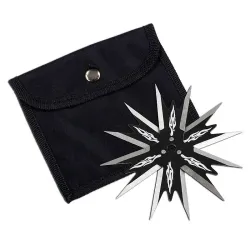 🔍︎ QUICK VIEW
-
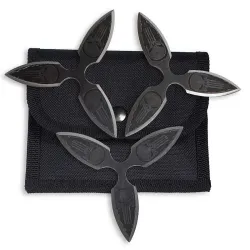 🔍︎ QUICK VIEW
-
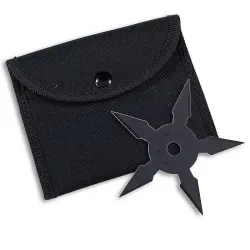 🔍︎ QUICK VIEW
$13.95
🔍︎ QUICK VIEW
$13.95 -
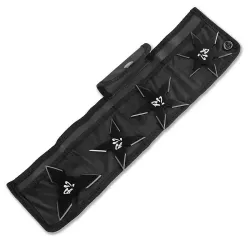 🔍︎ QUICK VIEW
-
 🔍︎ QUICK VIEW
-
 🔍︎ QUICK VIEW
-
 🔍︎ QUICK VIEW
-
 🔍︎ QUICK VIEW
$23.95
🔍︎ QUICK VIEW
$23.95 -
 🔍︎ QUICK VIEW
-
 🔍︎ QUICK VIEW
-
 🔍︎ QUICK VIEW
-
 🔍︎ QUICK VIEW
-
 🔍︎ QUICK VIEW
$29.95
🔍︎ QUICK VIEW
$29.95 -
 🔍︎ QUICK VIEW
$29.95
🔍︎ QUICK VIEW
$29.95 -
 🔍︎ QUICK VIEW
$16.95
🔍︎ QUICK VIEW
$16.95 -
 🔍︎ QUICK VIEW
$21.95
🔍︎ QUICK VIEW
$21.95 -
 🔍︎ QUICK VIEW
$22.95
🔍︎ QUICK VIEW
$22.95 -
 🔍︎ QUICK VIEW
-
 🔍︎ QUICK VIEW
$34.95
🔍︎ QUICK VIEW
$34.95 -
 🔍︎ QUICK VIEW
-
 🔍︎ QUICK VIEW
$29.95
🔍︎ QUICK VIEW
$29.95 -
 🔍︎ QUICK VIEW
$18.95
🔍︎ QUICK VIEW
$18.95 -
 🔍︎ QUICK VIEW
$24.95
🔍︎ QUICK VIEW
$24.95 -
 🔍︎ QUICK VIEW
$26.95
🔍︎ QUICK VIEW
$26.95 -
 🔍︎ QUICK VIEW
$24.95
🔍︎ QUICK VIEW
$24.95 -
 🔍︎ QUICK VIEW
$18.95
🔍︎ QUICK VIEW
$18.95 -
 🔍︎ QUICK VIEW
$24.95
🔍︎ QUICK VIEW
$24.95 -
 🔍︎ QUICK VIEW
$15.95
🔍︎ QUICK VIEW
$15.95 -
 🔍︎ QUICK VIEW
$13.95
🔍︎ QUICK VIEW
$13.95 -
 🔍︎ QUICK VIEW
$25.95
🔍︎ QUICK VIEW
$25.95 -
 🔍︎ QUICK VIEW
$22.95
🔍︎ QUICK VIEW
$22.95 -
 🔍︎ QUICK VIEW
$15.95
🔍︎ QUICK VIEW
$15.95 -
 🔍︎ QUICK VIEW
-
 🔍︎ QUICK VIEW
$20.95
🔍︎ QUICK VIEW
$20.95 -
 🔍︎ QUICK VIEW
$13.95
🔍︎ QUICK VIEW
$13.95 -
 🔍︎ QUICK VIEW
$24.95
🔍︎ QUICK VIEW
$24.95 -
 🔍︎ QUICK VIEW
$13.95
🔍︎ QUICK VIEW
$13.95 -
 🔍︎ QUICK VIEW
$13.95
🔍︎ QUICK VIEW
$13.95 -
 🔍︎ QUICK VIEW
-
 🔍︎ QUICK VIEW
-
 🔍︎ QUICK VIEW
-
 🔍︎ QUICK VIEW
$29.95
🔍︎ QUICK VIEW
$29.95 -
 🔍︎ QUICK VIEW
$13.95
🔍︎ QUICK VIEW
$13.95 -
 🔍︎ QUICK VIEW
-
 🔍︎ QUICK VIEW
$13.95
🔍︎ QUICK VIEW
$13.95 -
 🔍︎ QUICK VIEW
-
 🔍︎ QUICK VIEW
-
 🔍︎ QUICK VIEW
-
 🔍︎ QUICK VIEW
-
 🔍︎ QUICK VIEW
$13.95
🔍︎ QUICK VIEW
$13.95 -
 🔍︎ QUICK VIEW
-
 🔍︎ QUICK VIEW
-
 🔍︎ QUICK VIEW
$15.95
🔍︎ QUICK VIEW
$15.95 -
 🔍︎ QUICK VIEW
-
 🔍︎ QUICK VIEW
-
 🔍︎ QUICK VIEW
$13.95
🔍︎ QUICK VIEW
$13.95 -
 🔍︎ QUICK VIEW
-
 🔍︎ QUICK VIEW
$36.95
🔍︎ QUICK VIEW
$36.95 -
 🔍︎ QUICK VIEW
$34.95
🔍︎ QUICK VIEW
$34.95 -
 🔍︎ QUICK VIEW
-
 🔍︎ QUICK VIEW
-
 🔍︎ QUICK VIEW
-
 🔍︎ QUICK VIEW
-
 🔍︎ QUICK VIEW
-
 🔍︎ QUICK VIEW
$29.95
🔍︎ QUICK VIEW
$29.95 -
 🔍︎ QUICK VIEW
$17.95
🔍︎ QUICK VIEW
$17.95 -
 🔍︎ QUICK VIEW
$18.95
🔍︎ QUICK VIEW
$18.95 -
 🔍︎ QUICK VIEW
$18.95
🔍︎ QUICK VIEW
$18.95 -
 🔍︎ QUICK VIEW
$22.95
🔍︎ QUICK VIEW
$22.95 -
 🔍︎ QUICK VIEW
$12.95
🔍︎ QUICK VIEW
$12.95 -
 🔍︎ QUICK VIEW
$13.95
🔍︎ QUICK VIEW
$13.95 -
 🔍︎ QUICK VIEW
-
 🔍︎ QUICK VIEW
$12.95
🔍︎ QUICK VIEW
$12.95 -
 🔍︎ QUICK VIEW
-
 🔍︎ QUICK VIEW
$12.95
🔍︎ QUICK VIEW
$12.95 -
 🔍︎ QUICK VIEW
$20.95
🔍︎ QUICK VIEW
$20.95 -
 🔍︎ QUICK VIEW
-
 🔍︎ QUICK VIEW
-
 🔍︎ QUICK VIEW
$27.95
🔍︎ QUICK VIEW
$27.95 -
 🔍︎ QUICK VIEW
$18.95
🔍︎ QUICK VIEW
$18.95 -
 🔍︎ QUICK VIEW
$18.95
🔍︎ QUICK VIEW
$18.95 -
 🔍︎ QUICK VIEW
$12.95
🔍︎ QUICK VIEW
$12.95 -
 🔍︎ QUICK VIEW
-
 🔍︎ QUICK VIEW
$12.95
🔍︎ QUICK VIEW
$12.95 -
 🔍︎ QUICK VIEW
-
 🔍︎ QUICK VIEW
-
 🔍︎ QUICK VIEW
$11.95
🔍︎ QUICK VIEW
$11.95 -
 🔍︎ QUICK VIEW
-
 🔍︎ QUICK VIEW
 (4)
(4) (1)
(1) (1)
(1) (3)
(3) (2)
(2)Ninja Stars - Shuriken & Throwing Stars
Shuriken, commonly known as ninja stars or throwing stars, have long been synonymous with the mystique and legend of the ninja. As one of the most iconic weapons in Ninjutsu, these small, star-shaped blades have captivated the imagination of martial arts enthusiasts and pop culture alike. In their origin, shuriken were not considered primary weapons but rather secondary tools in the arsenal of a ninja, used for distraction, misdirection, or to slow down an enemy during an attack. While shuriken were not generally seen as instruments of death, they served crucial tactical purposes, such as creating openings for more lethal strikes with a sword or other weapons.
The history of shuriken dates back centuries in Japan, where these weapons were initially crafted from everyday objects, including nails, kitchen knives, and pieces of scrap metal. The necessity to use common, readily available materials explains the wide variety of shapes and designs that exist today. Early shuriken came in simple, functional forms, but over time, the craft of making throwing stars evolved. Ninja stars could vary greatly in size, weight, and blade configuration, each type serving different practical applications. Some designs were intended to cause minor distractions or injuries, while others were sharper and could inflict more significant damage.
At KarateMart.com, we are proud to offer a wide selection of shuriken, ensuring that you find the perfect ninja star to suit your needs. Whether you are a beginner just starting to practice or an experienced practitioner of Ninjutsu, we have a range of options for you. Our ninja stars for sale are not only highly functional but also aesthetically striking, capturing the essence of traditional ninja weapons with modern craftsmanship. In addition to premium throwing stars, we also offer more affordable options, perfect for those looking to practice without worrying about damaging their shuriken.
Our collection includes real ninja stars, as well as high-quality shurikens for sale that are designed for both throwing and display purposes. Whether you're interested in training with authentic ninja throwing stars or collecting unique ninja shuriken, our diverse inventory ensures there's something for every enthusiast. We also carry an array of shurikens designed specifically for practice, allowing you to improve your throwing technique without the fear of damaging an expensive weapon.
As for the design and development of shuriken, it's fascinating to note that the basic form has remained relatively unchanged over the centuries. The typical ninja throwing star is made from metal and features several sharp points that can inflict wounds when thrown accurately. The unique star shape is designed to rotate through the air as it travels, increasing its chances of hitting the target. Some ninja stars are designed with just a few sharp blades, while others are more intricate with multiple edges or even spikes, enhancing their versatility in combat or distraction tactics.
Despite their small size, shurikens require considerable skill to wield effectively. Throwing stars are not simply hurled randomly - they require practice and precision to master the art of throwing them with speed and accuracy. Ninja practitioners trained intensively to develop their throwing skills, often incorporating shuriken into stealth and ambush strategies. The use of ninja stars in combat was rarely about direct confrontation; rather, they were often employed to create openings, confuse opponents, or create a path for retreat.
As a testament to the rich history and enduring popularity of shuriken, KarateMart.com offers a range of ninja stars that pay homage to the ancient tradition of Ninjutsu. No matter your level of experience, you can find the perfect throwing star to enhance your skills or add to your collection.
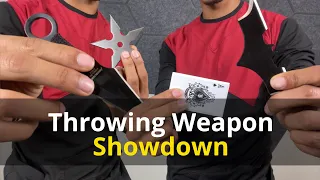
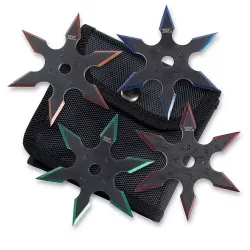
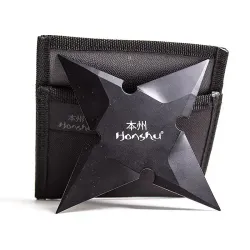
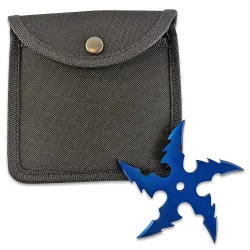
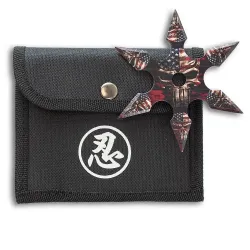
A throwing star, traditionally called a shuriken, is a flat metal projectile designed to be thrown by hand. In Japanese, "shuriken" loosely translates to "hidden hand blade," which hints at how these tools were originally used. They were small, concealable weapons carried as a backup by warriors in feudal Japan. Rather than replacing a sword, a shuriken was meant to distract, injure, or create an opening during combat.
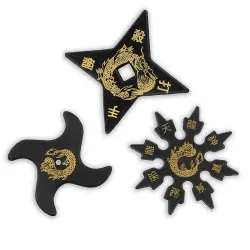
The terms "ninja star" and "shuriken" are often used interchangeably, but there's a subtle distinction worth exploring. "Shuriken" is the traditional Japanese term, translating to "hand-hidden blade" or "sword hidden in the hand," and it encompasses a broader category of concealed throwing weapons used by ninja and samurai alike. Shuriken include both the flat, star-shaped "hira shuriken" (what most people call ninja stars) and the straight, dart-like "bo shuriken." "Ninja star," on the other hand, is a more modern, Westernized phrase that specifically refers to the star-shaped throwing stars popularized in pop culture. Essentially, all ninja stars are shuriken, but not all shuriken are ninja stars. At KarateMart.com, we use both terms to reflect their historical roots and modern appeal, ensuring our customers can find exactly what they're looking for, whether it's a classic shuriken or a flashy ninja throwing star.
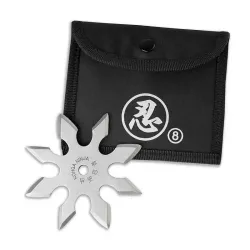
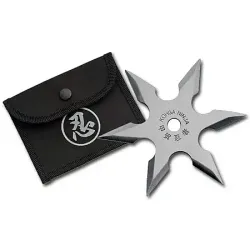
There are two main historical categories of shuriken: hira shuriken and bo shuriken. Hira shuriken are the flat, star-shaped designs most people recognize. These are the classic "ninja stars" with multiple points, often ranging from four to eight or more. Their wide profile and balanced shape make them ideal for learning control, rotation, and accuracy.
Bo shuriken are straight, spike-like throwing weapons. They look more like thick darts or narrow blades than stars. Instead of spinning through the air, they are typically thrown point-first. Bo shuriken require more precision and are less forgiving for beginners, which is why they are less common in modern practice.
Most people start with hira-style throwing stars because they are easier to throw consistently and provide clear visual feedback when they stick in a target. Bo-style designs tend to appeal more to experienced throwers or collectors interested in traditional Japanese weapon forms.
Yes, ninjas did indeed use shuriken, though their role in ninja warfare has often been exaggerated by Hollywood and folklore. Historical evidence, including records from the Sengoku period and Edo era, confirms that shuriken were part of a ninja's toolkit, alongside other weapons like swords, staffs, and explosives. However, they were rarely the primary means of attack. Ninjas, or shinobi, were masters of espionage and guerrilla tactics, relying on stealth and subterfuge rather than direct confrontation. Shuriken were typically used as secondary weapons-thrown to distract enemies, disrupt formations, or create openings for escape. Some accounts even suggest ninjas carried shuriken as multi-purpose tools, using them to cut ropes, mark trails, or fend off attackers in close quarters. While not the deadly killing machines of legend, real ninja stars were practical and effective in the hands of a skilled shinobi.
The best targets for throwing stars are soft, forgiving surfaces that allow the points to stick without damaging the blade. End-grain wood targets, soft pine boards, compressed foam blocks, or specialty throwing targets are all good options. These materials absorb impact and reduce bounce-back, which keeps practice safer and more consistent.
Avoid hard surfaces like concrete, metal, brick, or dense hardwood. Throwing stars can chip, bend, or ricochet off these materials, which is dangerous and can permanently damage the star. A proper target not only protects your gear, it also gives you cleaner feedback on your technique and makes practice more enjoyable.
Whenever possible, set your target in front of a safe backstop so missed throws have somewhere harmless to go. A simple piece of plywood behind your target or a thick cardboard barrier can prevent stray throws from becoming a problem.
For most people, accurate throwing happens in the 8 to 12 foot range. This distance allows the star to complete a predictable rotation and stick with consistency. It is close enough to maintain control, yet far enough to develop proper form and timing.
As your technique improves, you can experiment with longer distances, but accuracy tends to drop quickly the farther you move back. Throwing stars rely more on rhythm and release timing than raw power, so pushing distance too early often leads to wild throws and poor habits.
Many experienced throwers prefer to stay within a short, repeatable range and focus on precision. Consistency at a known distance builds muscle memory and makes it much easier to adjust when you do decide to step farther away.
The legality of throwing stars varies widely depending on where you live. In many areas, owning throwing stars is legal, but carrying them in public or using them outside of private property may be restricted or prohibited. Some states and cities classify them as prohibited weapons, while others allow ownership with limitations on how they can be transported or used.
Because these laws change frequently and can differ at the city or county level, it is always your responsibility to check your local regulations before purchasing or carrying throwing stars. What is perfectly legal in one state may be restricted just a few miles away.
Most people who own throwing stars use them for target practice on private property or keep them as part of a collection. Treating them as sporting or display items, rather than carry weapons, helps avoid legal and safety issues.
The most important things to look for are balance, build quality, and consistency. A well-made throwing star should feel evenly weighted in your hand, with no side noticeably heavier than the others. Balanced stars rotate more predictably in the air and are far easier to learn with.
Material matters as well. High-carbon steel and stainless steel tend to hold their shape better over time and resist bending or chipping. Thinner stars may fly faster, while slightly thicker ones are often more durable for repeated practice. Neither is "better" in every case, but knowing how you plan to use them helps guide the choice.
Finally, consider how you will store and transport them. Sets that include a sheath, pouch, or case are safer and more convenient. A good throwing star is not just about how it flies, but how easy it is to handle responsibly between sessions.
Sharper points can help a throwing star stick more easily, but sharper does not always mean better. Extremely sharp edges are more likely to chip, bend, or cause injury during handling. For most people, especially beginners, a moderately sharp point is ideal. It provides reliable sticking power without making the star difficult or dangerous to work with.
Many experienced throwers actually prefer stars that are not razor sharp. A slightly blunted edge still penetrates soft targets well and holds up better over time. It also reduces the risk of cuts when retrieving the star or making small grip adjustments between throws.
The goal is consistency, not lethality. A throwing star that flies the same way every time and survives hundreds of throws will help you improve far more than one that is dangerously sharp but fragile.
Beginners usually do best with simple, balanced throwing stars that have four to six points. These designs tend to rotate in a predictable way and give clear feedback when they hit the target. Stars that are overly complex or have extreme point shapes may look impressive, but they are often harder to throw consistently.
A medium-weight star made from durable steel is ideal for learning. Very light stars can be hard to control, while very heavy ones can be tiring and unforgiving. Balanced sets that include multiple identical stars are especially helpful, since you can practice repeated throws without constantly changing how the star feels in your hand.
Rubber or practice-style throwing stars are also a good option for first-time users or younger students. They allow you to learn grip, release, and rotation without the risk that comes with sharp metal points.
Most beginners are most comfortable with throwing stars in the 3 to 4 inch range. Stars in this size bracket are large enough to grip easily, yet small enough to rotate cleanly in the air. They offer a good balance between control and forgiveness, which makes learning much easier.
Very small stars can be difficult to hold consistently, especially if you have larger hands. On the other end of the spectrum, oversized stars may feel awkward and require more force to throw smoothly. Either extreme can slow your progress and make practice frustrating.
Starting with a mid-sized star lets you focus on technique rather than fighting the tool. Once you develop a feel for timing and release, experimenting with different sizes becomes much more intuitive and enjoyable.
Throwing stars do not need razor-sharp edges to perform well. In most cases, lightly touching up the points is enough. A small metal file or sharpening stone works best. Hold the star flat on a stable surface and make gentle, controlled passes along the point you are refining. The goal is to restore a clean tip, not create a knife-like edge.
Avoid aggressive grinding or power tools. Removing too much material can throw off the balance of the star, which affects how it flies. Uneven sharpening can cause unpredictable rotation and make accurate throwing much harder. A few light strokes per point is usually all that is needed.
Always wear gloves when sharpening and keep your fingers clear of the edge. Work slowly, check your progress often, and stop as soon as the point feels crisp. A throwing star that is consistent and well-balanced will outperform one that is overly sharp but uneven.
Historically, throwing stars were used as secondary weapons by warriors in feudal Japan. They were never meant to replace a sword or spear. Instead, they served as tools for distraction, harassment, and creating openings during combat. A well-placed throw could force an opponent to flinch, break focus, or shift position, giving the user a tactical advantage.
Some designs were also used to slow pursuers or control space. Scattering sharp points on the ground could make chasing difficult, especially in low light. In certain cases, shuriken were even coated with irritants or toxins, making small wounds more effective than they appeared.
Their real-world purpose was subtle and strategic rather than dramatic. While movies often portray them as silent knockout weapons, their true role was to influence movement and attention. Modern throwing stars keep the form and balance of these tools, but today they are used almost entirely for training, sport, and collecting.
The history of shuriken dates back centuries in Japan, where these weapons were initially crafted from everyday objects, including nails, kitchen knives, and pieces of scrap metal. The necessity to use common, readily available materials explains the wide variety of shapes and designs that exist today. Early shuriken came in simple, functional forms, but over time, the craft of making throwing stars evolved. Ninja stars could vary greatly in size, weight, and blade configuration, each type serving different practical applications. Some designs were intended to cause minor distractions or injuries, while others were sharper and could inflict more significant damage.
At KarateMart.com, we are proud to offer a wide selection of shuriken, ensuring that you find the perfect ninja star to suit your needs. Whether you are a beginner just starting to practice or an experienced practitioner of Ninjutsu, we have a range of options for you. Our ninja stars for sale are not only highly functional but also aesthetically striking, capturing the essence of traditional ninja weapons with modern craftsmanship. In addition to premium throwing stars, we also offer more affordable options, perfect for those looking to practice without worrying about damaging their shuriken.
Our collection includes real ninja stars, as well as high-quality shurikens for sale that are designed for both throwing and display purposes. Whether you're interested in training with authentic ninja throwing stars or collecting unique ninja shuriken, our diverse inventory ensures there's something for every enthusiast. We also carry an array of shurikens designed specifically for practice, allowing you to improve your throwing technique without the fear of damaging an expensive weapon.
As for the design and development of shuriken, it's fascinating to note that the basic form has remained relatively unchanged over the centuries. The typical ninja throwing star is made from metal and features several sharp points that can inflict wounds when thrown accurately. The unique star shape is designed to rotate through the air as it travels, increasing its chances of hitting the target. Some ninja stars are designed with just a few sharp blades, while others are more intricate with multiple edges or even spikes, enhancing their versatility in combat or distraction tactics.
Despite their small size, shurikens require considerable skill to wield effectively. Throwing stars are not simply hurled randomly - they require practice and precision to master the art of throwing them with speed and accuracy. Ninja practitioners trained intensively to develop their throwing skills, often incorporating shuriken into stealth and ambush strategies. The use of ninja stars in combat was rarely about direct confrontation; rather, they were often employed to create openings, confuse opponents, or create a path for retreat.
As a testament to the rich history and enduring popularity of shuriken, KarateMart.com offers a range of ninja stars that pay homage to the ancient tradition of Ninjutsu. No matter your level of experience, you can find the perfect throwing star to enhance your skills or add to your collection.
What Is a Throwing Star (Shuriken)?
A throwing star, traditionally called a shuriken, is a flat metal projectile designed to be thrown by hand. In Japanese, "shuriken" loosely translates to "hidden hand blade," which hints at how these tools were originally used. They were small, concealable weapons carried as a backup by warriors in feudal Japan. Rather than replacing a sword, a shuriken was meant to distract, injure, or create an opening during combat.
What is the difference between a ninja star and a shuriken?
The terms "ninja star" and "shuriken" are often used interchangeably, but there's a subtle distinction worth exploring. "Shuriken" is the traditional Japanese term, translating to "hand-hidden blade" or "sword hidden in the hand," and it encompasses a broader category of concealed throwing weapons used by ninja and samurai alike. Shuriken include both the flat, star-shaped "hira shuriken" (what most people call ninja stars) and the straight, dart-like "bo shuriken." "Ninja star," on the other hand, is a more modern, Westernized phrase that specifically refers to the star-shaped throwing stars popularized in pop culture. Essentially, all ninja stars are shuriken, but not all shuriken are ninja stars. At KarateMart.com, we use both terms to reflect their historical roots and modern appeal, ensuring our customers can find exactly what they're looking for, whether it's a classic shuriken or a flashy ninja throwing star.
What Are the Different Types of Throwing Stars?
There are two main historical categories of shuriken: hira shuriken and bo shuriken. Hira shuriken are the flat, star-shaped designs most people recognize. These are the classic "ninja stars" with multiple points, often ranging from four to eight or more. Their wide profile and balanced shape make them ideal for learning control, rotation, and accuracy.
Bo shuriken are straight, spike-like throwing weapons. They look more like thick darts or narrow blades than stars. Instead of spinning through the air, they are typically thrown point-first. Bo shuriken require more precision and are less forgiving for beginners, which is why they are less common in modern practice.
Most people start with hira-style throwing stars because they are easier to throw consistently and provide clear visual feedback when they stick in a target. Bo-style designs tend to appeal more to experienced throwers or collectors interested in traditional Japanese weapon forms.
Did ninjas actually use shurikens?
Yes, ninjas did indeed use shuriken, though their role in ninja warfare has often been exaggerated by Hollywood and folklore. Historical evidence, including records from the Sengoku period and Edo era, confirms that shuriken were part of a ninja's toolkit, alongside other weapons like swords, staffs, and explosives. However, they were rarely the primary means of attack. Ninjas, or shinobi, were masters of espionage and guerrilla tactics, relying on stealth and subterfuge rather than direct confrontation. Shuriken were typically used as secondary weapons-thrown to distract enemies, disrupt formations, or create openings for escape. Some accounts even suggest ninjas carried shuriken as multi-purpose tools, using them to cut ropes, mark trails, or fend off attackers in close quarters. While not the deadly killing machines of legend, real ninja stars were practical and effective in the hands of a skilled shinobi.
What Should I Use as a Target for Throwing Stars?
The best targets for throwing stars are soft, forgiving surfaces that allow the points to stick without damaging the blade. End-grain wood targets, soft pine boards, compressed foam blocks, or specialty throwing targets are all good options. These materials absorb impact and reduce bounce-back, which keeps practice safer and more consistent.
Avoid hard surfaces like concrete, metal, brick, or dense hardwood. Throwing stars can chip, bend, or ricochet off these materials, which is dangerous and can permanently damage the star. A proper target not only protects your gear, it also gives you cleaner feedback on your technique and makes practice more enjoyable.
Whenever possible, set your target in front of a safe backstop so missed throws have somewhere harmless to go. A simple piece of plywood behind your target or a thick cardboard barrier can prevent stray throws from becoming a problem.
How Far Can Throwing Stars Be Thrown Accurately?
For most people, accurate throwing happens in the 8 to 12 foot range. This distance allows the star to complete a predictable rotation and stick with consistency. It is close enough to maintain control, yet far enough to develop proper form and timing.
As your technique improves, you can experiment with longer distances, but accuracy tends to drop quickly the farther you move back. Throwing stars rely more on rhythm and release timing than raw power, so pushing distance too early often leads to wild throws and poor habits.
Many experienced throwers prefer to stay within a short, repeatable range and focus on precision. Consistency at a known distance builds muscle memory and makes it much easier to adjust when you do decide to step farther away.
Are Throwing Stars Legal to Own or Carry?
The legality of throwing stars varies widely depending on where you live. In many areas, owning throwing stars is legal, but carrying them in public or using them outside of private property may be restricted or prohibited. Some states and cities classify them as prohibited weapons, while others allow ownership with limitations on how they can be transported or used.
Because these laws change frequently and can differ at the city or county level, it is always your responsibility to check your local regulations before purchasing or carrying throwing stars. What is perfectly legal in one state may be restricted just a few miles away.
Most people who own throwing stars use them for target practice on private property or keep them as part of a collection. Treating them as sporting or display items, rather than carry weapons, helps avoid legal and safety issues.
What Should I Look For When Buying a Throwing Star?
The most important things to look for are balance, build quality, and consistency. A well-made throwing star should feel evenly weighted in your hand, with no side noticeably heavier than the others. Balanced stars rotate more predictably in the air and are far easier to learn with.
Material matters as well. High-carbon steel and stainless steel tend to hold their shape better over time and resist bending or chipping. Thinner stars may fly faster, while slightly thicker ones are often more durable for repeated practice. Neither is "better" in every case, but knowing how you plan to use them helps guide the choice.
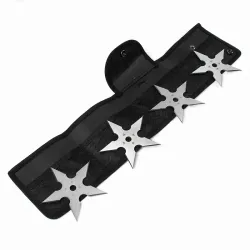
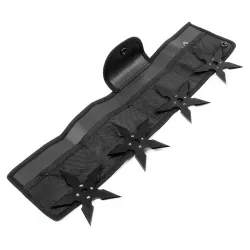
Finally, consider how you will store and transport them. Sets that include a sheath, pouch, or case are safer and more convenient. A good throwing star is not just about how it flies, but how easy it is to handle responsibly between sessions.
Are Sharper Throwing Stars Better?
Sharper points can help a throwing star stick more easily, but sharper does not always mean better. Extremely sharp edges are more likely to chip, bend, or cause injury during handling. For most people, especially beginners, a moderately sharp point is ideal. It provides reliable sticking power without making the star difficult or dangerous to work with.
Many experienced throwers actually prefer stars that are not razor sharp. A slightly blunted edge still penetrates soft targets well and holds up better over time. It also reduces the risk of cuts when retrieving the star or making small grip adjustments between throws.
The goal is consistency, not lethality. A throwing star that flies the same way every time and survives hundreds of throws will help you improve far more than one that is dangerously sharp but fragile.
Which Throwing Stars Are Best for Beginners?
Beginners usually do best with simple, balanced throwing stars that have four to six points. These designs tend to rotate in a predictable way and give clear feedback when they hit the target. Stars that are overly complex or have extreme point shapes may look impressive, but they are often harder to throw consistently.
A medium-weight star made from durable steel is ideal for learning. Very light stars can be hard to control, while very heavy ones can be tiring and unforgiving. Balanced sets that include multiple identical stars are especially helpful, since you can practice repeated throws without constantly changing how the star feels in your hand.
Rubber or practice-style throwing stars are also a good option for first-time users or younger students. They allow you to learn grip, release, and rotation without the risk that comes with sharp metal points.
What Size Throwing Stars Should I Start With?
Most beginners are most comfortable with throwing stars in the 3 to 4 inch range. Stars in this size bracket are large enough to grip easily, yet small enough to rotate cleanly in the air. They offer a good balance between control and forgiveness, which makes learning much easier.
Very small stars can be difficult to hold consistently, especially if you have larger hands. On the other end of the spectrum, oversized stars may feel awkward and require more force to throw smoothly. Either extreme can slow your progress and make practice frustrating.
Starting with a mid-sized star lets you focus on technique rather than fighting the tool. Once you develop a feel for timing and release, experimenting with different sizes becomes much more intuitive and enjoyable.
How Do I Sharpen a Throwing Star Safely?
Throwing stars do not need razor-sharp edges to perform well. In most cases, lightly touching up the points is enough. A small metal file or sharpening stone works best. Hold the star flat on a stable surface and make gentle, controlled passes along the point you are refining. The goal is to restore a clean tip, not create a knife-like edge.
Avoid aggressive grinding or power tools. Removing too much material can throw off the balance of the star, which affects how it flies. Uneven sharpening can cause unpredictable rotation and make accurate throwing much harder. A few light strokes per point is usually all that is needed.
Always wear gloves when sharpening and keep your fingers clear of the edge. Work slowly, check your progress often, and stop as soon as the point feels crisp. A throwing star that is consistent and well-balanced will outperform one that is overly sharp but uneven.
What Were Throwing Stars Originally Used For?
Historically, throwing stars were used as secondary weapons by warriors in feudal Japan. They were never meant to replace a sword or spear. Instead, they served as tools for distraction, harassment, and creating openings during combat. A well-placed throw could force an opponent to flinch, break focus, or shift position, giving the user a tactical advantage.
Some designs were also used to slow pursuers or control space. Scattering sharp points on the ground could make chasing difficult, especially in low light. In certain cases, shuriken were even coated with irritants or toxins, making small wounds more effective than they appeared.
Their real-world purpose was subtle and strategic rather than dramatic. While movies often portray them as silent knockout weapons, their true role was to influence movement and attention. Modern throwing stars keep the form and balance of these tools, but today they are used almost entirely for training, sport, and collecting.