June 1st, 2026
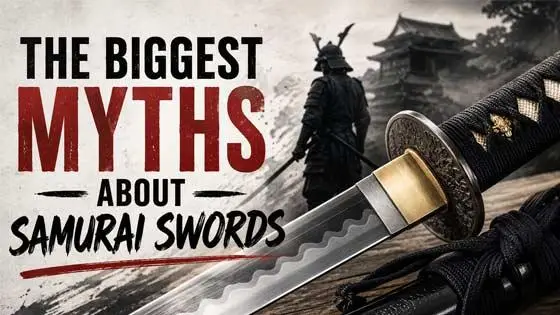
Samurai swords have been surrounded by myths for centuries. Depending on who you ask, a katana can slice through steel, cut a person clean in half with almost no effort, or outperform every other sword ever made. Movies, anime, video games, and even martial arts folklore have helped turn the samurai sword into something almost legendary. But how much of what people believe is actually true?
May 27th, 2026
At first glance, a judo gi and a Brazilian Jiu Jitsu gi look almost identical. They both use thick cotton jackets, reinforced pants, and a belt system that shows rank. Because of that, a lot of beginners assume they can use either one interchangeably. In some cases you can, but there are important differences that can affect comfort, performance, and even whether your uniform is allowed in competition.
May 27th, 2026
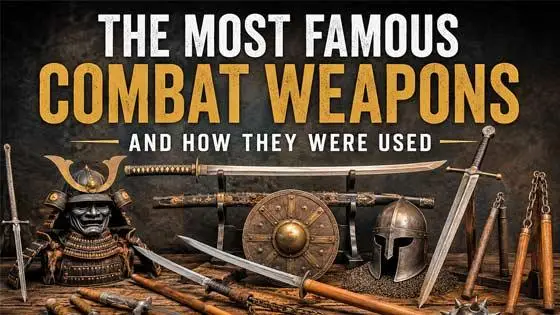
Combat weapons have shaped battles, influenced martial arts, and captured people's attention for thousands of years. From swords and staffs to flexible chain weapons and throwing blades, many of the world's most famous combat weapons were designed with one purpose in mind: giving fighters an advantage in close or long-range encounters. While movies and video games often exaggerate how these weapons were used, the real history behind them is usually far more interesting. Many required years of training, specialized techniques, and a deep understanding of timing, distance, and control to use effectively.
May 27th, 2026
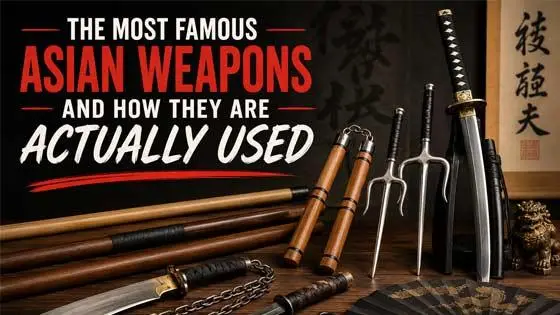
Asian weapons have fascinated people for centuries, and not just because they look impressive in movies. From the spinning speed of nunchucks to the precision of a samurai sword, many of these weapons were developed for real combat, self-defense, military use, or specialized martial arts training. Today, they continue to be practiced around the world by martial artists, collectors, and people who simply appreciate the history and craftsmanship behind traditional weapons. But despite how recognizable many of them are, there are still plenty of misconceptions about where these weapons came from and how they were actually used.
May 26th, 2026
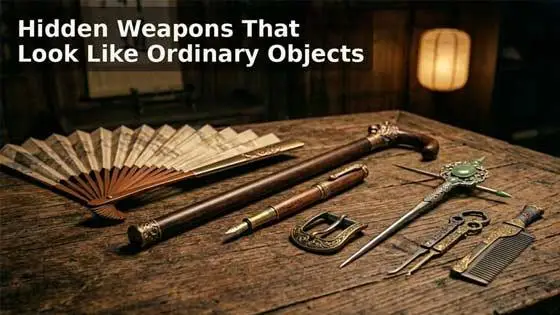
Most people picture swords, knives, or staffs when they think about martial arts weapons, but some of the strangest tools in history were designed to hide in plain sight. From hidden blades concealed inside walking canes to ordinary-looking fans, pens, and accessories with surprising secondary purposes, disguised weapons have fascinated martial artists and collectors for centuries. Some were created for portability, others for concealment, and many were designed to surprise people who underestimated them at first glance.